
Blooming
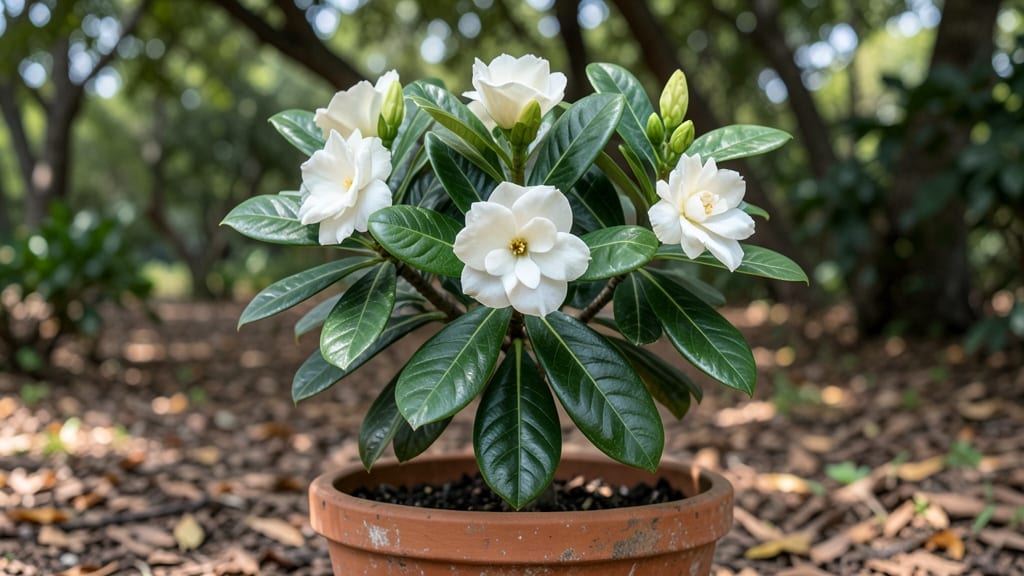
Gardenia blooms in Texas between late spring and early summer, but the exact timing depends on your zone and variety—some burst into fragrant 🌸 glory as early as March, while others wait until June.
If you’ve ever wondered why your gardenias in Texas seem to bloom at the wrong time—or not at all—timing is everything. Texas’s diverse climate zones can shift blooming seasons by months, and choosing the right variety makes all the difference between fragrant summer evenings and empty branches.
In Zone 8a (think North Texas), gardenias often bloom later, around May, while Zone 10b (South Texas) can trigger earlier blooms as soon as April. The key? Understanding how heat, humidity, and even last frost dates play into your plant’s schedule.
Below, I’ll break down the exact months for your zone, plus pro tips to coax blooms earlier—or keep them going longer—so you’re never left sniffing empty air where sweet fragrance should be.
Gardenia blooming seasons in Texas by climate Zone (exact months)
Texas’s diverse climate zones (7-10) create dramatic differences in gardenia blooming times. In Zone 7, frost delays blooms until late April or May, while Zone 10 gardenias may start as early as February.
Humidity and heat play critical roles—too much heat can stress plants, while high humidity in Gulf Coast areas often extends bloom seasons into early fall.
Choosing the right gardenia variety is key. Kleim’s Hardy thrives in cooler zones (7-8) and blooms later, while Radicans (a climbing type) loves Zone 9-10 heat and often blooms earlier. Even within the same zone, microclimates—like urban heat islands—can shift bloom windows by 2-4 weeks.
🌸
| Texas Zone | Peak Bloom Months | Early Bloomers | Late Bloomers | Best Varieties |
|---|---|---|---|---|
| Zone 7 | May–June | Late April (mild winters) | July (if humidity high) | Kleim’s Hardy, Veitchii |
| Zone 8 | April–May | March (south-facing) | June (Gulf Coast) | Radicans, Fortuniana |
| Zone 9 | March–April | February (coastal) | May–June | Mystery, Kleim’s Hardy |
| Zone 10 | February–March | January (mild winters) | April–May | Radicans, Veitchii |
In Zone 7, gardenias often wait until after last frost (typically mid-April) to bloom, with peak fragrance in May-June.
If your Zone 7 gardenia blooms later than June, check for overwatering or nutrient deficiencies, which delay flowering. Zone 10 gardeners, however, may see blooms as early as January if planted in protected microclimates.
Humidity is a game-changer. In Gulf Coast zones (9-10), high humidity can extend blooming into July or August, while West Texas (Zone 8) gardenias may struggle past June due to dry heat.
To combat this, mulch heavily and water deeply in the early morning to retain moisture without stressing roots.
For earlier blooms, prune lightly in late winter (just before buds swell) to encourage new growth. Avoid heavy pruning—it can delay flowering by 4-6 weeks. In Zone 9-10, where heat stress is common, provide afternoon shade to prevent bud drop before blooming.
If your gardenia blooms sporadically, it may need acidic soil adjustments. Texas clay often lacks the pH 5.0-6.0 gardenias crave. Amend with peat moss or sulfur in early spring to trigger healthier blooms. 🌱
Pro tip: Zone 8 gardeners can push blooms earlier by planting near south-facing walls, which absorb heat and protect from late frosts. In Zone 10, where blooms start early, deadhead spent flowers to encourage fall reblooming—a rare treat in Texas summers!
Remember, light pruning in late summer (after blooming) helps shape plants and prevents overcrowding, which can reduce next year’s blooms by 30%. Pair this with balanced fertilizer (like 8-3-9) in early spring for bigger, fragrant blooms.
For Texas gardeners, timing is everything. Whether you’re in freeze-prone Zone 7 or tropical Zone 10, matching your gardenia variety to your local climate ensures reliable, fragrant blooms year after year. ☀️
How to extend gardenia blooms in Texas heat (pro tips)
Texas summers can turn your gardenias into heat-stressed bloomers, but with the right strategies, you can coax those fragrant flowers to last longer—or even bloom twice! The secret lies in understanding your plant’s needs during extreme heat.
Gardenias thrive in humidity and warmth, but Texas’s dry spells and scorching afternoons can stunt blooms. By adjusting watering schedules, pruning timing, and soil conditions, you can extend blooms by weeks—or even months.
First, focus on watering deeply but infrequently. Gardenias hate soggy roots, but they also despise drought stress. In Zone 9-10, I water mine at the base every 2-3 days with 1-2 gallons per plant, always in the early morning to prevent evaporation.
Mulching with 3 inches of pine bark helps retain moisture while keeping roots cool. This simple hack can add 3-4 extra weeks to your blooming season.
🌿 Pro Tips to Extend Blooms
- 1. Prune after blooming – Trim spent flowers in late spring (May-June) to encourage a second flush of blooms in fall.
- 2. Acidify your soil – Test pH; gardenias need 5.0-6.0. Amend with sulfur or peat moss if your Texas clay is alkaline.
- 3. Adjust sunlight – Move potted gardenias to partial shade during peak summer (June-August) to prevent leaf burn.
- 4. Feed lightly in spring – Use a balanced 10-10-10 fertilizer in March to boost blooms, but avoid summer feeding.
- 5. Mist leaves daily – Gardenias love humidity. A quick morning misting mimics tropical conditions and keeps buds from drying.
Pruning is another game-changer. Most gardeners prune in late winter, but in Texas, I delay until after the first bloom cycle (June-July). This encourages fall reblooming, which is especially useful in Zone 8-9 where late frosts can cut short summer blooms.
Always use sterilized shears and cut just above a leaf node to promote new growth.
Texas clay soil is a hidden enemy of gardenias—it’s alkaline and compacted, which stresses roots. To fix this, I mix in 50% compost and 50% pine fines when planting. For established shrubs, top-dress with 2 inches of organic matter annually.
This improves drainage and mimics the acidic, well-draining soil gardenias crave in their native tropics. A soil test every 2-3 years ensures you’re on track.
Light adjustments can also trick gardenias into blooming longer. In South Texas (Zone 10), I provide afternoon shade with a lightweight fabric shade cloth (30-50% block). This prevents leaf scorch and redirects energy toward blooming instead of leaf production.
For container gardenias, a east-facing spot with dappled shade works best—morning sun fuels growth, while afternoon shade protects delicate blooms.
Finally, don’t forget the bloom-boosting checklist for Texas gardeners: ☑️ Water deeply every 2-3 days (morning only) ☑️ Prune after blooming (June-July) ☑️ Mulch with pine bark (3 inches) ☑️ Test soil pH annually (aim for 5.0-6.0) ☑️ Mist leaves daily in heatwaves With these tweaks, your gardenias will reward you with longer, more abundant blooms—even in the Texas heat! 🌸