
Plants
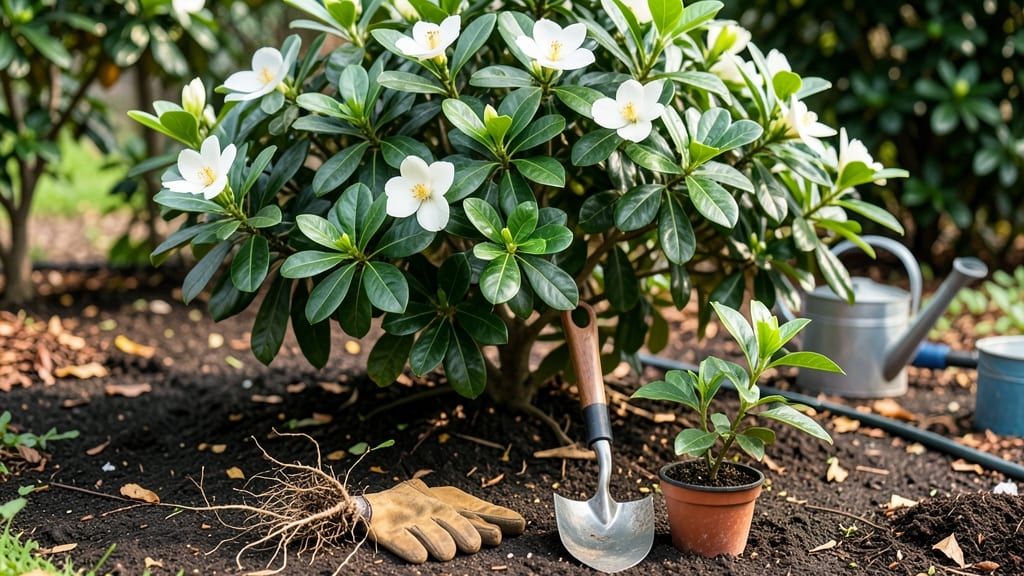
To plant gardenias in Texas at the perfect time means waiting for late winter or early spring—after the last frost date but before the summer heat peaks.
Texas gardeners know timing is everything—plant gardenias too early, and frost will kill them; too late, and they’ll struggle to establish roots before summer’s brutal heat. But get it right, and you’ll unlock lush, fragrant blooms year after year.
In North Texas (USDA Zone 8a), aim for mid-March, while Gulf Coast gardeners in Zone 10a can start as early as late February. The key is giving your 🌸 gardenia time to root before the mercury climbs, so it’s ready to thrive in Texas’ intense sun and alkaline soil.
Below, I’ll break down the best months for your region, how to prep soil for acid-loving blooms, and the 3-step care routine that keeps gardenias flourishing through Texas summers.
Best months to plant gardenias in Texas: avoiding frost and heat stress
Texas gardeners know timing is everything—plant gardenias too early, and frost will kill them; too late, and they’ll struggle to establish roots before summer’s brutal heat. Gardenias thrive when planted after the last frost date but before May’s scorching temperatures.
The key is balancing root establishment with heat avoidance, which varies dramatically across Texas’ USDA zones 8a-10a. Let’s break it down by region so you can plant with confidence.
North Texas (USDA zones 7b-8a) faces the highest frost risk, with average last frost dates around February 15. Wait until March to plant—this gives young roots time to strengthen before summer’s 100°F+ heat.
Central Texas (USDA zones 8a-8b) has a slightly earlier window: late February to early March. South Texas (zones 9a-10a) can plant as early as January, but avoid extreme heat by finishing by April 15.
| Texas Region | USDA Zone | Last Frost Date | Ideal Planting Month | Key Consideration |
|---|---|---|---|---|
| North Texas | 7b-8a | Feb 15 | March | Avoid late spring heat |
| Central Texas | 8a-8b | Feb 1 | Late Feb-Early March | Soil warms faster |
| South Texas | 9a-10a | Jan 15 | January-February | Humidity helps root growth |
| Coastal Areas | 9b-10a | Dec 15 | December-January | Milder winters extend window |
Microclimates matter just as much as official frost dates. Urban areas like Dallas or Houston may experience 5-10°F warmer microclimates than rural zones, allowing earlier planting. Elevated areas like the Hill Country can have colder pockets, so wait until mid-March even if you’re in zone 8b. Coastal gardeners in Galveston or Corpus Christi often plant as early as December, thanks to mild winters and higher humidity.
For container gardenias, timing shifts slightly. Potted plants can handle earlier transplanting (as early as February in North Texas) because you can move them indoors during unexpected cold snaps.
However, root-bound plants struggle in summer heat, so prioritize container size (at least 15-gallon pots) when planting early. Bare-root gardenias should never be planted before March anywhere in Texas—they’re too vulnerable to frost damage.
Heat stress is the real enemy after planting. Gardenias planted in May or later often wilts dramatically because their roots can’t keep up with Texas’ evaporative demand.
To mitigate this, mulch heavily (3-4 inches of pine bark mulch) and water deeply 2-3 times per week for the first 60 days. Drip irrigation is ideal—it delivers water directly to roots without wetting foliage, reducing fungal risks like powdery mildew.
Don’t overlook acclimation for young plants. If you’re buying nursery-grown gardenias, harden them off for 7-10 days before planting by placing them in partial shade outdoors during the day and bringing them in at night.
This reduces transplant shock, especially critical in Texas’ fluctuating spring temperatures. Morning planting (between 8 AM and 10 AM) also helps—soil is cooler, and plants waste less moisture before roots establish.
Pro tip: Track your local frost dates using the National Weather Service or Texas A&M AgriLife Extension tools. Set a reminder for 60 days after your last frost date—this marks your final planting deadline for gardenias.
After that, new plants will struggle to bloom that first year due to heat stress. Established gardenias (planted previous year) can handle late spring
How to prepare gardenia soil and location for Texas’ extreme climate
Texas soil is naturally alkaline, which is a major challenge for gardenias that thrive in acidic soil (pH 5.0-6.0). Without proper amendments, your plants will struggle to absorb nutrients, leading to yellow leaves and poor blooming.
The key is creating a well-draining, acidic environment while protecting them from our intense sun and heat.
Start by testing your soil’s pH using a home test kit or send a sample to your local agricultural extension office. If the pH is above 7.0, you’ll need to lower it significantly—this isn’t a quick fix but essential for gardenia health.
In-ground planting requires more effort than containers, but both methods can succeed with the right approach.
⚠️ callout-warning
Native Texas soil is highly alkaline (pH 7.5-8.5), which will burn gardenia roots if planted directly. Amendments must be applied 2-3 months before planting to adjust pH effectively. Sulfur or peat moss are your best tools, but results take time—don’t rush!
For in-ground planting, dig a hole twice as wide as the root ball but only as deep. Mix the native soil with equal parts peat moss or pine bark fines and a slow-release acid fertilizer (like Miracle-Gro Azalea, Camellia, and Rhododendron).
This blend will help maintain the acidic environment gardenias need while improving drainage.
If you’re planting in containers, use a pre-mixed acidic potting soil (like Black Gold Acid-Forming Mix) and add perlite or vermiculite for drainage. Containers dry out faster in Texas heat, so ensure they have drainage holes and use a terracotta pot—they wick away moisture better than plastic.
Gardenias need partial shade to thrive in Texas—think morning sun and afternoon shade. In North Texas, this might mean planting near a west-facing wall or under a dappled shade tree.
In South Texas, where heat is more intense, east-facing locations with afternoon shade are ideal. Avoid full sun, which causes leaf scorch and stunted growth.
Finally, protect your gardenias from wind and harsh afternoon sun by placing them near a fence, hedge, or trellis. In exposed areas, consider a windbreak made of bamboo or lattice to shield delicate foliage.
Mulch with pine straw or wood chips to retain moisture and keep roots cool during Texas summers.