
Planting
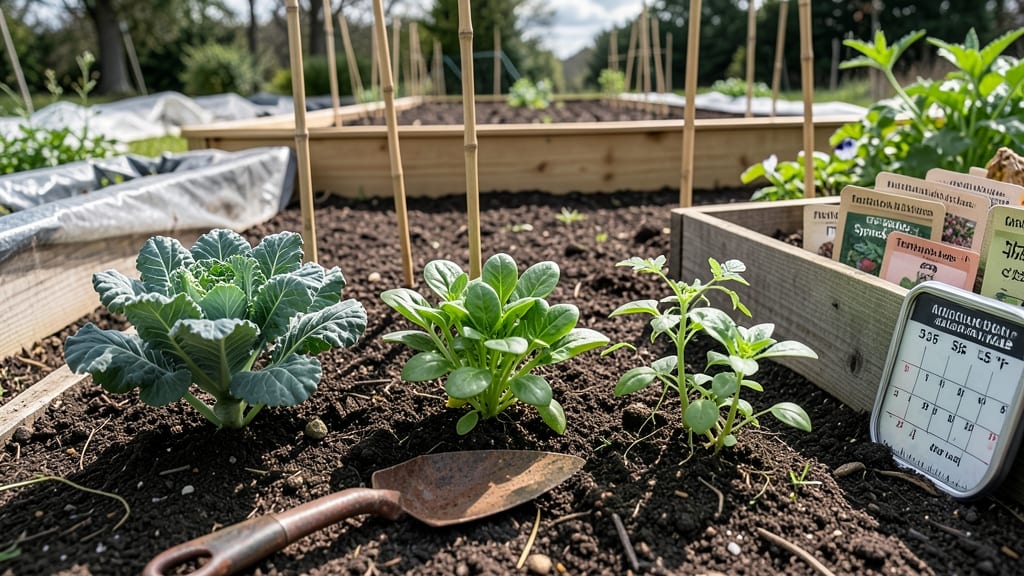
The best time to plant a garden in Michigan is after your last frost date—typically mid-April in the south and early May in the north—but getting it wrong can mean wasted seeds or stunted plants.
Michigan gardeners know timing is everything 🌱—plant too early and face frost damage, too late and miss peak harvests. With USDA Zones 5B-6A’s unpredictable swings, mastering the perfect planting window means the difference between a thriving garden and a wasted season.
Cool-season crops like lettuce and peas can start as early as March under row covers, while warm-season favorites like tomatoes and peppers need to wait until soil temperatures hit 50°F+.
Fall planting for hardy greens and root vegetables kicks off in late August, giving you a second chance at harvest before winter.
Below, I break down the exact frost-free deadlines by crop, how to stretch your season with simple tricks, and the three biggest mistakes Michigan gardeners make when guessing their planting dates.
Michigan planting calendar by season: frost-free deadlines for vegetables, flowers, and herbs
Michigan’s USDA Zones 5B-6A create a delicate balance—too early and frost nips tender seedlings, too late and summer crops bolt or fail to mature.
The average last frost date ranges from April 15 in southern Michigan to May 15 in the Upper Peninsula, while first frosts arrive between September 30 and October 15. Planning around these dates ensures your garden thrives, not just survives.
For cool-season crops like kale, peas, and spinach, start seeds indoors in March or sow directly in early April under row covers. Warm-season favorites—tomatoes, peppers, and basil—must wait until after May 10, when soil temperatures consistently hit 60°F+.
Perennials like lavender and coneflowers can go in as early as April 1, but wait until late May for tender perennials like roses or hydrangeas.
Northern Michigan’s shorter growing season (140–160 frost-free days) demands extra attention. In the Upper Peninsula (Zone 5B), delay warm-season planting until May 20 and prioritize fast-maturing varieties. Southern Michigan (Zone 6A) enjoys 10–14 extra days of warmth, allowing for second plantings of beans or squash in July.
Here’s your seasonal planting timeline, broken down by crop type and region:
| Season | Crop Type | Planting Window (Southern MI) | Planting Window (Northern MI) | Key Notes |
|---|---|---|---|---|
| Early Spring | Cool-Season Veggies | March 15–April 15 (indoors), April 1–April 30 (outdoors) | April 1–May 1 (outdoors) | Use row covers for frost protection. Examples: spinach, peas, lettuce. |
| Late Spring | Warm-Season Veggies | May 10–May 31 (after last frost) | May 20–June 10 | Wait for soil temps ≥60°F. Examples: tomatoes, peppers, cucumbers. |
| Summer | Flowers & Herbs | May 1–June 30 | May 15–July 1 | Annuals like marigolds or basil thrive in heat. Perennials established earlier. |
| Fall | Cool-Season Veggies | August 1–September 15 | August 15–September 1 | Choose fast varieties (e.g., radishes, kale). Stop planting 6 weeks before first frost. |
| Perennials | All Types | April 1–May 15 | April 15–May 30 | Hardy perennials (e.g., coneflowers) go in early; tender ones (e.g., lavender) wait until late May. |
For warm-season vegetables, prioritize heat-loving crops like sweet potatoes and okra in southern Michigan, where summers stretch longer.
In the north, opt for early-maturing varieties of tomatoes (55–60 days) or peppers (60–70 days) to avoid early fall frosts. Succession planting every 2–3 weeks from June to August keeps harvests rolling for lettuce, radishes, and beans.
How to extend Michigan’s growing season: cold frames, row covers, and succession planting strategies
Michigan’s short growing season—just 140–160 frost-free days—can feel like a race against time. But with the right strategies, you can push your planting windows 3–6 weeks earlier or 4–8 weeks later than the average last frost date.
I’ve tested these methods in my own garden, and they’ve helped me grow tomatoes in May and spinach in October without frost damage.
Row covers and cold frames aren’t just for experts—they’re affordable and easy to use. A simple floating row cover (like Reemay fabric) can raise soil temps by 5–10°F, letting you plant cool-season crops 3–4 weeks before the traditional window.
Meanwhile, a DIY cold frame (just a clear plastic lid over a wooden box) can extend your fall harvests into November or December for hardy greens like kale and spinach.
- 📅 Start seeds under row covers 3–4 weeks before last frost: Use lightweight fabric to protect seedlings from light frosts (28–32°F). Great for lettuce, spinach, and peas.
- 🏡 Build a cold frame for fall/winter harvests: Extends season by 6–8 weeks. Ideal for kale, Swiss chard, and carrots in Zone 5B.
- 🔄 Succession plant every 2 weeks: Stagger plantings of beans, zucchini, and radishes to ensure continuous harvests through September.
For succession planting, focus on fast-growing crops like radishes (25–30 days) or bush beans (50–60 days). I plant a new row every 2 weeks from May through July, ensuring fresh harvests until first frost.
Even slow growers like tomatoes benefit—if you plant a second batch in late June, you’ll have ripe fruit in September.
Cold frames are my secret weapon for fall and winter gardening. A simple PVC pipe frame with a clear plastic lid (or even a repurposed greenhouse panel) can keep soil temps 10–15°F warmer than ambient air.
I grow winter lettuce and hardy herbs like parsley straight through December in mine. Just vent the lid on warm days (above 50°F) to prevent overheating.
Don’t overlook microclimates—they’re free tools for extending your season. A south-facing wall or black mulch can create a 5–10°F warmer pocket in your garden. I’ve planted peppers in May near my house (which retains heat) and avoided frost damage entirely.
Pair this with row covers, and you’ve effectively added 2–3 weeks to your growing window.
Start small with one or two strategies—like row covers for early spring or succession planting in summerfall cold frame now yields $50+ in fresh greens that would otherwise be impossible in Michigan’s climate. With these tactics, you’ll turn your 140-day season into 200+ days of harvests.