
Pruning
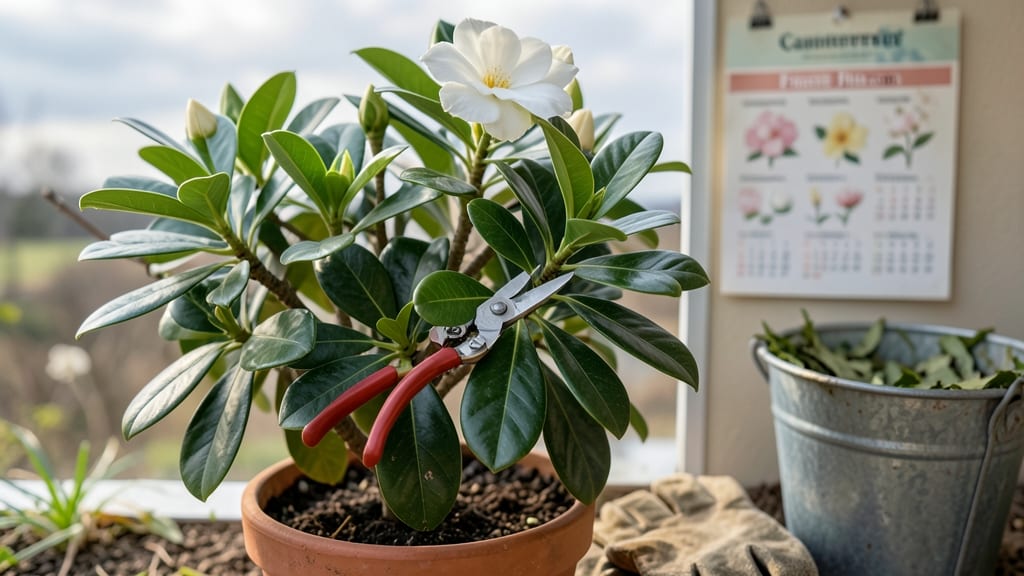
Pruning gardenias at the right time — late winter, just as new growth begins — is the secret to healthier blooms and fuller shrubs.
Struggling to keep your gardenias blooming beautifully year after year? The secret lies in timing—pruning at the wrong season can stifle growth and reduce those fragrant flowers you love.
Late winter is the best window because it lets your 🌸 gardenias recover before summer heat stresses them, while avoiding the risk of frost damage in colder zones.
Most gardeners wait until spring, but that’s often too late. By pruning in late winter (February or early March in USDA Zone 6), you encourage fresh, vigorous growth that translates to more flowers in spring and summer. Plus, you’ll avoid the heartbreak of cutting back just before buds form.
In this guide, I’ll walk you through the exact timing, tools, and techniques to prune your gardenias like a pro—so you can enjoy those iconic white blooms all season long.
Late winter pruning: the ideal time frame for gardenias
If your gardenias are struggling to produce those fragrant, creamy blooms you adore, the issue might be pruning timing. Late winter is the perfect window to revitalize these semi-evergreen shrubs—but getting it wrong can leave your plants stressed and flowerless.
The key lies in understanding your local climate and how it affects dormancy cycles.
Gardenias enter dormancy in late fall, a natural resting phase that helps them conserve energy. Pruning too early can stimulate new growth before the plant is ready, while waiting too long risks missed bloom potential for the upcoming season.
The ideal late-winter window balances these needs, typically falling between February and early March in most USDA Zones 7-10.
Why late winter? This timing allows you to remove dead or weak wood while the plant is still dormant but before active growth resumes. It also prevents late-season pruning shock, which can leave plants vulnerable to frost damage or pests in colder regions. For gardenias, this approach maximizes flower buds for the summer blooming season.
Here’s the science behind it: Gardenias form flower buds on current-season growth, meaning pruning in late winter encourages fresh, vigorous shoots that will bear more blooms. If you prune too late, you risk cutting off potential flower sites before they’ve had a chance to develop.
The 6-8 week rule is a gardener’s golden guideline: prune your gardenias 6-8 weeks before you expect the first blooms of the season. For most regions, this lands squarely in late winter, but adjust based on your last frost date.
In Zone 7, where I garden, I aim to finish pruning by mid-March to give the plant time to recover before the summer heat arrives.
For cold climates (Zones 6 and below), the risk of late frosts means you’ll need to delay pruning until after April 15. Watch for new leaf buds on your gardenia—this is your cue that the plant is breaking dormancy and ready for pruning.
In warmer zones (Zones 8-10), you can prune as early as late January, but avoid cutting back too aggressively, as summer heat can stress newly pruned plants.
One common mistake is pruning gardenias after they’ve bloomed. While this won’t kill your plant, it reduces next year’s flowers because you’re cutting back growth that already bore blooms.
Late winter pruning, on the other hand, targets last year’s wood and encourages fresh, flower-rich growth for the upcoming season. Think of it as giving your gardenia a fresh start before the growing season kicks into high gear.
Pro tip: Sanitize your pruners with rubbing alcohol before and after pruning to prevent disease spread. Gardenias are susceptible to fungal issues, and open wounds from pruning are prime entry points for pathogens.
After pruning, apply a balanced fertilizer (like 10-10-10) to support new growth and encourage blooming.
If you’re unsure about your local last frost date, check the USDA Plant Hardiness Zone Map or ask your local cooperative extension service for tailored advice. With the right timing, your gardenias will thank you with lush foliage and an abundance of those coveted fragrant blooms by summer. 🌸
Step-by-step guide to pruning gardenias for maximum blooms
Pruning your gardenias correctly is the key to unlocking abundant, fragrant blooms year after year. When done right, pruning removes dead wood, encourages new growth, and shapes your shrub for a fuller appearance.
But timing and technique matter—cut too late or too aggressively, and you’ll sacrifice next year’s flowers. Let’s break down the essential steps to prune like a pro, so your gardenias thrive.
Before you grab your shears, gather the right tools and supplies. You’ll need sharp, clean bypass pruners for smaller branches, loppers for thicker stems, and a sterilizing solution (like rubbing alcohol) to prevent disease.
Wear gloves—gardenia leaves can irritate skin—and have mulch or compost ready to protect the roots after pruning. A small hand saw may also come in handy for stubborn, woody growth.
Here’s your step-by-step guide to pruning gardenias for maximum blooms, including how to spot mistakes and avoid them:
- 1 Wait until late winter (February-March in most zones) when the plant is dormant but before new growth appears. Avoid pruning in fall or early spring, as this can damage tender new shoots.
- 2 Remove dead or diseased wood first. Look for branches that are brown, brittle, or hollow. Cut these back to healthy tissue at a 45-degree angle to encourage faster healing and prevent fungal entry.
- 3 Shape the shrub by thinning out crowded branches. Focus on removing crossing or rubbing branches and those growing inward. Aim to create an open center for better airflow and light penetration, which reduces disease risk.
- 4 Cut back overgrown stems by 1/3. Never remove more than 30% of the plant’s foliage in one pruning session. For flowering stems, trim just above a leaf node or outward-facing bud to encourage new growth in the right direction.
- 5 Clean up and sterilize tools after pruning to prevent the spread of bacterial or fungal diseases. Wipe blades with rubbing alcohol, and dispose of pruned debris away from the plant to avoid pests or pathogens.
One of the biggest mistakes gardeners make is over-pruning, which can leave your gardenia looking bare and stressed. If you’ve cut back too much, you’ll notice fewer blooms next season and sparse foliage.
On the flip side, under-pruning leads to a tangled, leggy shrub with weak growth. Aim for a balance—your goal is to maintain the plant’s natural shape while encouraging dense, healthy growth.
After pruning, give your gardenia a light feeding with an acidic fertilizer (like a 10-10-10 blend) to support new growth. Water deeply to help the roots recover, and mulch around the base to retain moisture and regulate soil temperature.
With the right timing and technique, your gardenias will reward you with lush foliage and stunning blooms all season long.