
Planting
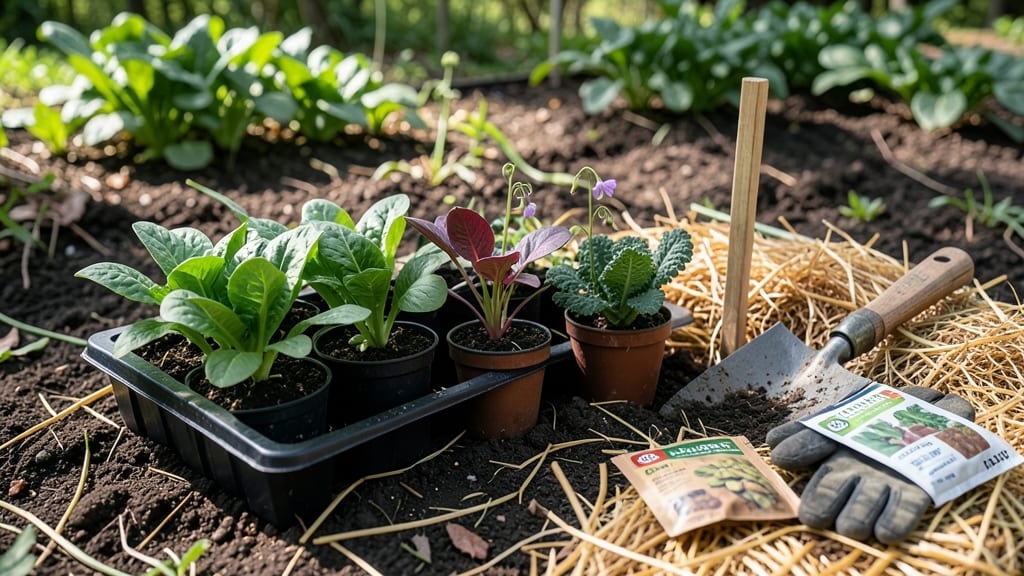
Planting a garden in Ohio at the right time means the difference between a bountiful harvest and a wasted effort—and with the state’s Zone 6a-6b climate, timing is everything.
Ohio’s unpredictable frost dates can turn your gardening dreams into a guessing game—plant too early, and your seedlings freeze; too late, and pests or heat ruin your harvest. But with Ohio’s 165 frost-free days, knowing the exact window for cool-season and warm-season crops is the key to success.
Whether you’re sowing lettuce in spring or tomatoes in late May, the right timing ensures your General Garden Vegetables & Plants 🌱 thrive. Below, I’ll break down the ideal planting schedule by month, so you can avoid common mistakes and maximize your yield.
From adjusting for late frosts to extending the season with row covers, you’ll learn how to plant with confidence—no more second-guessing or lost crops. Let’s get started.
Ohio’s frost dates and last spring/first fall planting deadlines by month
Ohio’s Zone 5 climate means frost can linger well into spring and arrive early in fall, making timing everything for your garden. The average last frost date typically falls between mid-April and early May, while the first frost of fall usually hits in mid-October to early November.
These dates vary by region—northern Ohio (like Cleveland) often sees frost 1-2 weeks later than southern Ohio (like Cincinnati), where microclimates can push back deadlines even further.
Understanding these planting deadlines helps you avoid frost damage to tender seedlings or wasted effort on crops that won’t mature before winter. For example, tomatoes and peppers, which need warm soil, shouldn’t go in until 2-3 weeks after your area’s last frost.
Meanwhile, cool-season crops like spinach and kale can handle light frosts and should be planted 4-6 weeks before the first expected frost in fall.
Here’s how Ohio’s three major cities—Columbus, Cleveland, and Cincinnati—compare in terms of frost dates and ideal planting windows for spring and fall:
In Columbus, for example, you’ll want to wait until mid-May to plant tomatoes and peppers, while in Cincinnati, you can start slightly earlier—around early May. Meanwhile, Cleveland’s later frost dates mean gardeners there should hold off until late May to avoid frost damage to heat-loving plants.
These windows also dictate when to sow cool-season crops like broccoli or peas in fall—plant them by mid-August in Cleveland but wait until mid-September in Cincinnati.
For flowers and herbs, timing matters too. Annuals like marigolds or basil thrive when planted after the last frost, while perennials like lavender can handle cooler soil and should go in 4-6 weeks before your area’s first frost in spring.
Even herbs like cilantro, which bolts in heat, benefit from early spring or late summer plantings to avoid Ohio’s summer humidity.
Pro tip: Use row covers or cold frames to extend your spring planting window by 2-3 weeks, especially for cool-season crops. I’ve successfully grown spinach and radishes in early April by covering them with lightweight fabric—just remove it when temps rise above 50°F to prevent overheating.
Don’t forget that fall planting is just as critical. In northern Ohio, you can still sow garlic and onions in late September for a spring harvest, while southern Ohio gardeners might squeeze in a second planting of lettuce as late as mid-October.
The key is to choose fast-maturing varieties and monitor soil temperatures, which should stay above 50°F for germination.
To stay on track, mark your calendar with these Ohio-specific deadlines:
- Spring: Start cool-season crops indoors by March 1 (e.g., broccoli, cabbage).
- Summer: Plant warm-season crops (tomatoes, beans) 2-3 weeks after last frost.
- Fall: Sow hardy greens (kale, spinach) by August 15–September 15, depending on your region.
Ohio’s 165 frost-free days give you a surprisingly long growing season if you plan wisely. By aligning your planting with these local frost dates, you’ll maximize your harvest and avoid the heartbreak of frost-nipped seedlings or underripe produce. Happy planting! 🌱
How to adjust planting times for Ohio’s unpredictable weather patterns
Ohio’s Zone 5 climate means last frost dates can shift by weeks, leaving gardeners scrambling to adjust. I’ve learned the hard way—planting tomatoes too early in April only to lose them to a late freeze, or waiting too long and watching peppers struggle in summer heat.
The key is flexibility, not rigid deadlines.
Start by tracking soil temperatures—most warm-season crops like beans and cucumbers need soil at 60°F+ to germinate. Use a soil thermometer or the 10-day rule: Wait until 10 days of 50°F+ nighttime temps are forecasted to plant heat-loving veggies.
For cool-season crops like lettuce or spinach, aim for 4-6 weeks before your average last frost.
⚠️ callout warning
For heat-sensitive crops like cucumbers or squash, I swear by shade cloth during Ohio’s 90°F+ summers. Plant these in late May and use 30% shade cloth to keep temps down. Succession planting is another lifesaver—sow lettuce every 2 weeks from April to August to avoid bolting in summer heat.
Don’t overlook fall planting. Ohio’s first frost often hits in mid-October, but kale, carrots, and radishes thrive when planted in late August. Use black plastic mulch to warm soil early in spring or straw mulch to extend fall harvests.
I’ve had spinach survive until Christmas with a thick layer of mulch!
Pro tip: Cold-hardy varieties like ‘Winterbor’ kale or ‘Red Ruby’ turnips can handle 20°F temps, giving you an edge. Pair these with row covers for extra protection. And always keep a planting journal—note when you sow, frost dates, and harvest times to refine your schedule each year.
Ohio’s weather may be unpredictable, but with these adjustments, you’ll beat the frost and stretch your harvest. Start with cool-season crops early, protect seedlings, and don’t fear fall planting—your garden will thank you. Happy growing! 🌱