
Planting
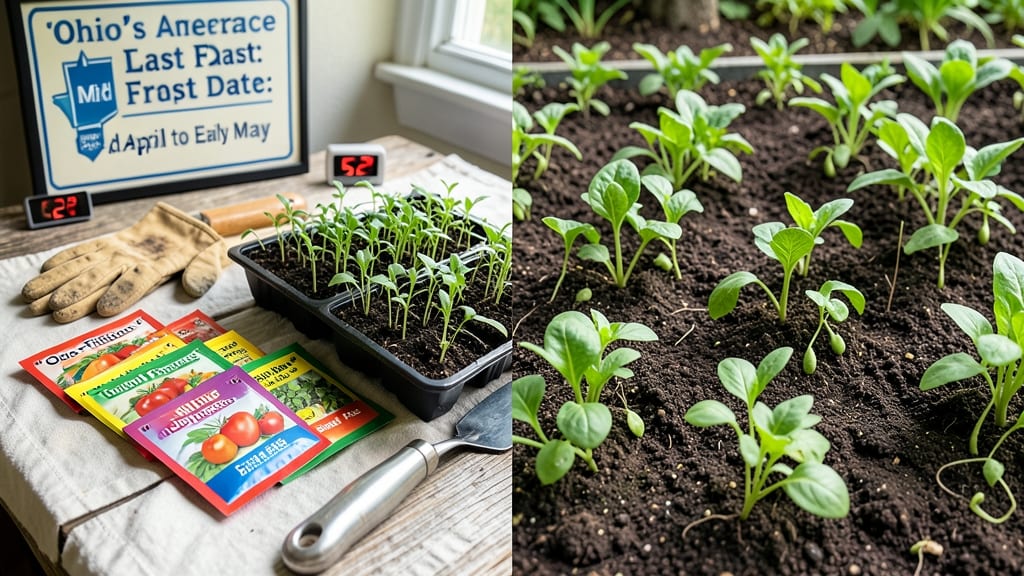
The best time to plant a garden in Ohio depends on your crop and county—most gardeners wait until after the average last frost date, which lands between mid-April and early May for most of the state.
Ohio gardeners know timing is everything—plant too early and risk frost damage, too late and miss peak harvests. But with Ohio’s diverse climate zones, the "perfect" planting window varies dramatically from county to county.
For cool-season 🌱 General Garden Plants like lettuce or peas, you can start as early as March in southern Ohio, while northern counties like Ashtabula may need to wait until late April. Warm-season crops like tomatoes and peppers, however, should never hit the soil until after May 15.
Below, I’ll break down the exact frost dates by region, how to adjust for Ohio’s microclimates, and the three biggest mistakes that ruin timing—so you can plant with confidence and harvest like a pro.
Ohio’s last frost dates by county: exact planting windows for vegetables, flowers, and herbs
Ohio’s diverse climate means your last spring frost date can vary by 3-4 weeks depending on where you garden. Northern counties like Ashtabula and Trumbull often see frost until May 15, while southern areas like Hamilton and Clark typically warm up by April 15.
These differences dictate when to plant cool-season crops (like lettuce and peas) versus warm-season plants (like tomatoes and basil).
Using data from NOAA and Ohio State University Extension, I’ve broken down the average last frost dates by county to help you plan your garden. For cool-season vegetables, you can often start seeds indoors 4-6 weeks before your last frost date.
For warm-season crops, wait until 2 weeks after the last frost to avoid damage. Flowers and herbs have similar timing needs, but some—like marigolds—are frost-tolerant and can handle cooler temps.
Below is a county-by-county guide with exact planting windows for your region. Use this to align your garden calendar with Ohio’s microclimates, ensuring your tomatoes, zucchini, and roses thrive without frost surprises.
🌱
For example, if you’re in Hamilton County, you can start broccoli and carrots indoors by February 20 and transplant them after April 5. Meanwhile, tomatoes and peppers should wait until April 20 to avoid frost. In Ashtabula County, delay warm-season planting
How to adjust planting times for Ohio’s microclimates and soil conditions
Ohio’s diverse climate creates unique challenges for gardeners. Northern counties like Ashtabula and Trumbull often experience later last frosts (around May 15), while southern areas like Hamilton and Clark can start planting as early as March 20.
These differences mean your neighbor’s perfect timing might not work for you.
Soil conditions add another layer of complexity. Clay-heavy soils in Franklin County retain moisture longer, delaying spring planting, while sandy soils in Lucas County warm up faster but dry out quicker. Adjusting for these factors ensures your plants thrive from seed to harvest.
- Use black plastic mulch in colder zones (e.g., Trumbull) to warm soil by 5-10°F and plant 2-3 weeks earlier.
- In warmer areas (e.g., Clark County), start cool-season crops like spinach in February under row covers for frost protection.
- Test soil pH and temperature—ideal planting temps are 60-65°F for most vegetables. Use a soil thermometer in northern Ohio to avoid cold shock.
- For container gardens, use heat mats in early spring to extend the growing season by 3-4 weeks compared to ground planting.
- In urban areas, microclimates near buildings or pavement can be 5°F warmer—plant heat-loving crops like tomatoes 1 week earlier in these spots.
Row covers are a game-changer for Ohio gardeners. In northern Ohio, use floating row covers to plant warm-season crops like peppers as early as April 1, even if frost is still a risk. Remove covers when plants flower to allow pollination.
For rural farmers, consider high tunnels to create a controlled environment. These structures can extend the growing season by 6-8 weeks on both ends, allowing for year-round production of leafy greens and herbs in regions like Ashtabula.
Always monitor local frost forecasts and adjust your timeline accordingly. The Ohio State University Extension provides weekly updates on frost risks—bookmark their site for real-time adjustments. With these strategies, you’ll maximize your garden’s potential regardless of where you are in the state.