
How To
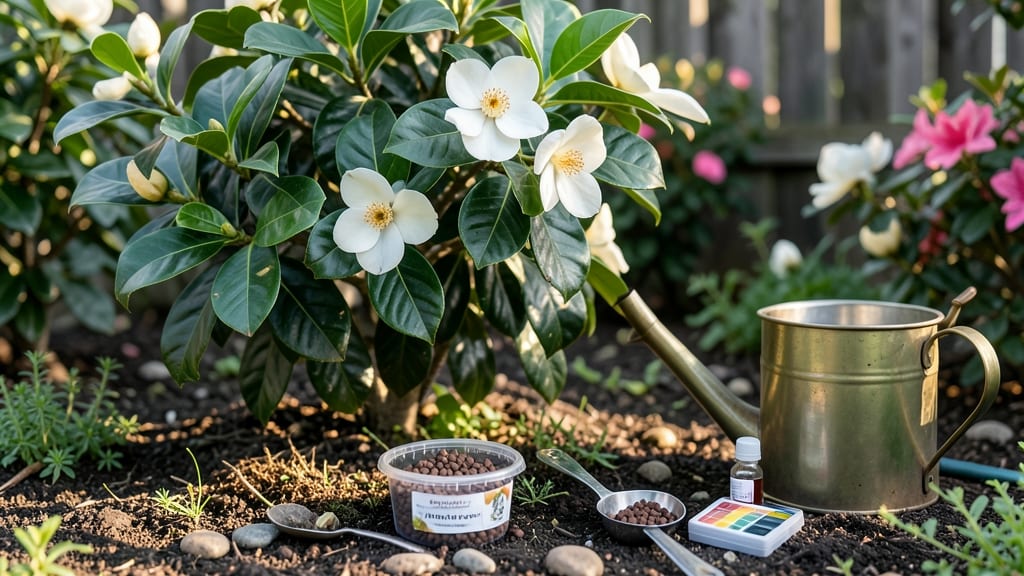
To fertilise gardenias at the right time means the difference between a fragrant, blooming bush and one that struggles to produce flowers.
Gardenias are prized for their intoxicating fragrance and glossy foliage—but without the right fertilizing schedule, their blooms can fade faster than a summer sunset. Timing is everything when it comes to feeding these finicky shrubs, and a single misstep can leave you with sparse flowers and yellowing leaves.
For General (Tropical/Subtropical Climates Preferred), the best time to fertilise gardenias is in spring and fall, when new growth signals the plant is ready.
In warmer zones like 9-11 (or Zone 7 with winter protection), you can even feed lightly in summer, but avoid fertilizing in winter when the plant slows down.
Below, I’ll break down the exact schedule—including how often to feed, what type of fertilizer to use, and how to tell when your 🌸 gardenia is hungry for more nutrients.
Best times to fertilise gardenias for maximum blooms
Timing your gardenia fertilizing schedule is like conducting an orchestra—get it wrong, and the blooms never hit their full potential. These fragrant shrubs thrive on precision, especially when it comes to feeding them at the right stages of growth.
I’ve learned the hard way that fertilizing too early or too late can leave you with sparse buds and leggy, weak stems instead of the lush, fragrant blooms you crave.
Gardenias are heavy feeders but demand a balanced approach. Over-fertilizing in summer can scorch their roots, while skipping spring feeding might leave them bloom-starved. The key is understanding their natural growth cycles and adjusting your schedule to match.
Let’s break down the best fertilizing windows by season, so you can give your gardenias the nutrient boosts they crave—without the guesswork.
| Season | Fertilizing Window | Frequency | Key Plant Signals | Fertilizer Type |
|---|---|---|---|---|
| Early Spring (Feb–March) | First feed of the year | Every 4–6 weeks | New growth emerges, buds form | Acidic, high-nitrogen (10-10-10) |
| Late Spring (April–May) | Peak bloom preparation | Every 4 weeks | Bud set increases, glossy leaves | Balanced (8-3-9) |
| Summer (June–August) | Light maintenance feeding | Every 6–8 weeks | Slow growth, yellowing leaves (stress) | Low-nitrogen, slow-release |
| Fall (September–October) | Late-season boost | Every 6 weeks | Pre-winter root strengthening | Organic compost or bone meal |
| Winter (November–January) | Dormancy period | None (skip fertilizing) | Dormant growth, no new buds | Hold off until spring |
Your gardenias will thank you for this seasonal precision. The early spring flush is non-negotiable—this is when you lay the foundation for abundant blooms later in the year.
I start fertilizing as soon as I see new growth emerge, usually in February or March, depending on your climate zone. In Zone 9–11, where gardenias thrive year-round, you can even fertilize lightly in January to kickstart growth.
By late spring, your gardenias should be bursting with buds. This is the time to switch to a balanced fertilizer like 8-3-9, which supports both foliage and flowers.
I’ve found that overdoing nitrogen here can lead to leafy growth at the expense of blooms, so moderation is key. If your gardenia is setting buds but not opening, it might be a sign of phosphorus deficiency—time to adjust your fertilizer blend.
Summer is tricky because heat stress can mask nutrient needs. I reduce feeding frequency to every 6–8 weeks and opt for slow-release fertilizers to avoid burning roots. Watch for yellowing leaves or stunted growth—these are red flags to cut back on fertilizing until your plant recovers.
In hot, humid climates, I even skip summer fertilizing entirely and wait until September to give them a late-season boost.
Fall is your second-chance season. A light feeding in September helps your gardenias store nutrients for winter, especially if you’re in a cooler zone (Zone 7–8).
I use organic compost or bone meal at this stage to strengthen roots without encouraging late-season growth that could be damaged by frost. If your gardenia is still blooming in fall, a gentle feeding can extend the season—but don’t overdo it.
Winter is fertilizer-free for gardenias in cooler climates. These shrubs
How to choose the right fertilizer for gardenias (and avoid common mistakes)
Gardenias thrive with the right fertilizer, but choosing wrong can turn your fragrant shrubs into leafy disappointments. These acid-loving plants need a balanced NPK ratio of 8-3-9 or 10-10-10 to support both blooms and foliage.
Too much phosphorus or alkaline fertilizers will stunt their growth faster than a summer drought. Let’s break down your options to keep your gardenias blooming like clockwork.
First, understand that gardenias despise alkaline conditions. Their ideal soil pH is 5.0–6.0, so avoid fertilizers with high limestone or dolomite content. Instead, opt for acid-loving formulations like citrus blend fertilizers or peat-based mixes. These will keep your plants happy and blooming season after season.
Now, let’s weigh your options: organic vs. synthetic fertilizers. Organic choices like composted manure, fish emulsion, or slow-release granules feed gardenias steadily, mimicking natural conditions. Synthetic fertilizers, on the other hand, deliver quick results but require more frequent applications. Both work—it’s all about your gardening style and patience.
Organic Fertilizers for Gardenias
| Pros | Cons |
|---|---|
| Improves soil long-term | Slower results (takes weeks) |
| Acidifies soil naturally | May attract pests if overused |
| Safe for pets and kids | Requires more frequent applications |
Synthetic Fertilizers for Gardenias
| Pros | Cons |
|---|---|
| Fast, visible results | Can burn roots if overapplied |
| Precise NPK control | Requires acidic additives |
| Long shelf life | Not eco-friendly |
Next, consider the release type. Slow-release fertilizers (like coated granules) are ideal for gardenias because they feed plants steadily over 2–3 months. Liquid fertilizers, however, offer quick nutrient uptake but need weekly applications during peak growing seasons.
For best results, I recommend alternating between both—use slow-release in spring and liquid during summer blooming periods.
Watch your gardenias for nutrient deficiency signs. Yellowing leaves? That’s often a nitrogen deficiency. Brown leaf edges? Likely chlorosis from iron or magnesium issues. Purple stems?
Your plant is begging for phosphorus. Adjust your fertilizer mix based on these clues, and always water thoroughly after applying to prevent root burn.
Finally, avoid these common mistakes: over-fertilizing in winter, using high-phosphorus mixes (they encourage foliage over flowers), and ignoring soil pH tests. A simple soil test kit ($10 at garden centers) will save you from costly errors.
With the right fertilizer, your gardenias will reward you with glossy leaves and intoxicating blooms all season long.