
Fertilization
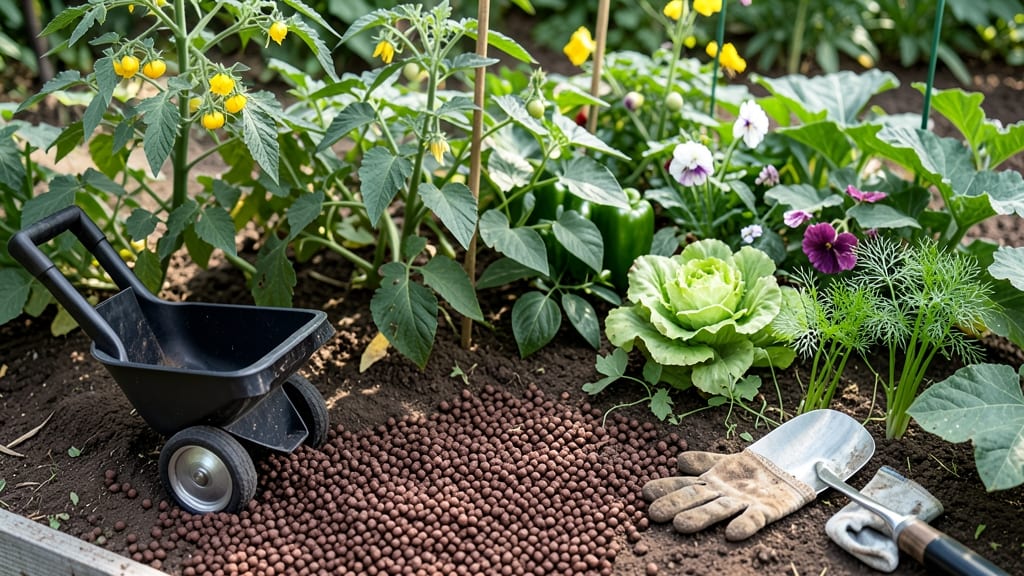
Fertilizing your vegetable garden at the right times can turn a so-so harvest into a garden that feeds the family all summer.
Timing your vegetable garden fertilization can mean the difference between a meager harvest and a bumper crop—yet most gardeners get it wrong, missing the two critical windows that boost growth the most.
In Zone 6, the best times to feed your 🥬 are early spring (just before planting) and again in fall (for cool-season crops), but the specifics depend on what you’re growing and whether you’re using organic or synthetic fertilizers.
Below, I’ll break down the exact schedule for spring and fall feeding, how to read your soil’s hunger signals, and the one mistake that stunts growth faster than anything else.
Spring fertilization schedule for maximum vegetable growth
Spring is the make-or-break season for vegetable garden success, and your fertilization timing determines whether you'll enjoy a bountiful harvest or struggle with stunted growth. Most gardeners miss the two critical feeding windows: pre-planting and early growth stages.
I've learned that skipping either leads to weak root development and poor yields, especially for heavy feeders like tomatoes and peppers.
Before reaching for that fertilizer bag, test your soil—this simple step saves money and prevents over-fertilizing. A basic pH test (aim for 6.0-7.0) and nutrient analysis reveal what your soil lacks.
My Zone 6 garden often needs extra phosphorus for root crops and potassium for fruiting plants. Organic options like compost or balanced synthetic blends work well, but their timing differs.
Here's the key difference: Leafy greens (like lettuce and spinach) thrive with nitrogen-rich feeds early in the season, while fruiting plants (tomatoes, peppers) need phosphorus-heavy fertilizer when they start flowering. Getting this wrong means lush leaves but few fruits—a common mistake I've seen in community gardens.
🌱
| Fertilization Stage | Best Time to Apply | Fertilizer Type | Crop Examples | Key Notes |
|---|---|---|---|---|
| Pre-Planting | 4-6 weeks before last frost | Balanced (10-10-10) or compost | All vegetables | Improves soil structure |
| Early Growth | At planting + 4-6 weeks later | High nitrogen (e.g., 20-5-10) | Leafy greens, peas, beans | Promotes leafy growth |
| Flowering/Fruiting | When buds appear | High phosphorus (e.g., 5-10-10) | Tomatoes, peppers, squash | Encourages fruit set |
| Mid-Season Boost | Every 4-6 weeks | Balanced or compost tea | All vegetables | Maintains growth |
For organic gardeners, I recommend working aged compost into the soil before planting and using fish emulsion or seaweed extract as liquid feeds during early growth. My tomato plants respond dramatically to a phosphorus boost when they start flowering—this is when I see the most fruit development.
Synthetic fertilizers work faster but require more precise application to avoid nutrient burn.
One mistake I see often is over-fertilizing nitrogen in fruiting plants, which leads to leafy monsters with no tomatoes. Instead, I switch to a low-nitrogen, high-phosphorus formula when flowers appear.
For root vegetables like carrots and beets, I focus on balanced feeds early and reduce later in the season to prevent forked roots.
Timing matters just as much as what you fertilize with. Apply feeds in the early morning or evening to avoid leaf burn from midday heat. I also water deeply after fertilizing to help nutrients reach the roots.
For container gardens, I use half the recommended dose since pots dry out faster and nutrients leach away.
Don't forget about soil microbes—they break down organic matter and make nutrients available. My compost tea applications in spring give these beneficial bacteria a boost. For heavy feeders, I side-dress with well-rotted manure mid-season to provide a slow-release nutrient source without overwhelming the plants.
If your plants show signs of nutrient deficiency (yellow leaves, stunted growth), it's often better to test your soil again than guess. My spinach once turned yellow because the soil was too acidic—adding lime fixed it faster than extra fertilizer.
Always adjust your approach based on what your plants (and soil) actually need.
For Zone 6 gardeners, aim to finish spring fertilization by early June to avoid encouraging late-season growth that won't harden off before frost. I use this schedule: first feed at planting, second feed 4-6 weeks later, and final boost in late summer for fall crops.
This timing ensures my vegetables have the nutrients they need without overstimulating growth too close to harvest.
🌿
Fall fertilization benefits and how to prepare your garden for next year
Fall fertilization is one of the most underrated gardening strategies, yet it’s the secret to a healthier soil and stronger plants next spring. When you feed your garden in late summer or early fall, you’re giving roots time to absorb nutrients before winter dormancy.
This boosts microorganisms and improves soil structure—key for spring planting. Plus, it’s the perfect time to correct soil pH and add organic matter without burning tender new growth.
Many gardeners skip fall fertilization, focusing only on spring. But cool-season crops like kale, spinach, and carrots thrive with a nutrient kickstart. Even if you’re not planting yet, feeding now ensures your soil is rich and ready when warm-season crops return.
Think of it as a head start for next year’s harvest—your future self will thank you!
- 1 Early September (Zone 6): Apply a balanced organic fertilizer (like 5-5-5) or compost to established beds. Focus on root crops and leafy greens for late-season growth.
- 2 Mid-October (Zone 6): Spread aged compost or well-rotted manure (like cow or chicken) to improve soil structure. Avoid fresh manure—it can burn roots in cold weather.
- 3 Late October (Zone 6): Test soil pH and amend with lime (for acidity) or sulfur (for alkalinity). Aim for a 6.0–7.0 pH for most vegetables.
- 4 November (Zone 6): Mulch beds with straw or leaf mold to protect soil from erosion and retain moisture. This also insulates roots during winter.
Not all vegetables benefit equally from fall feeding. Cool-season crops like broccoli, Brussels sprouts, and peas will show the most growth, while warm-season plants like tomatoes and peppers don’t need extra nutrients this late.
Focus on root vegetables (carrots, beets) and greens (spinach, arugula) for the best results. If you’re growing garlic or onions for next year, fertilize in early fall—they’ll store nutrients over winter for stronger bulbs.
Compost and manure are my go-to fall fertilizers because they slow-release nutrients and improve soil texture. For a quick boost, use a low-nitrogen fertilizer (like 3-4-4) to avoid promoting tender new growth before frost.
Mix it into the top 6 inches of soil and water deeply to help roots absorb it. Over-fertilizing now can lead to winter burn, so err on the side of caution.
Preparing your garden for next year starts with a simple fall checklist: test soil, add compost, mulch, and remove spent plants. This reduces weeds, prevents soil compaction, and keeps nutrients locked in for spring.
I like to mark my calendar for early spring—when I’ll add a fast-acting fertilizer to kickstart new plantings. The key is balance: feed enough now to feed the soil, not just the plants.
Fall fertilization isn’t just about feeding plants—it’s about building soil health for years to come. By investing time now, you’ll spend less on fertilizers later and enjoy hardier plants with fewer pests. Plus, your garden will recover faster from summer stress, giving you a jumpstart on next year’s harvest.
Start small with a test patch, and you’ll see the difference in just a few months!