
Planting
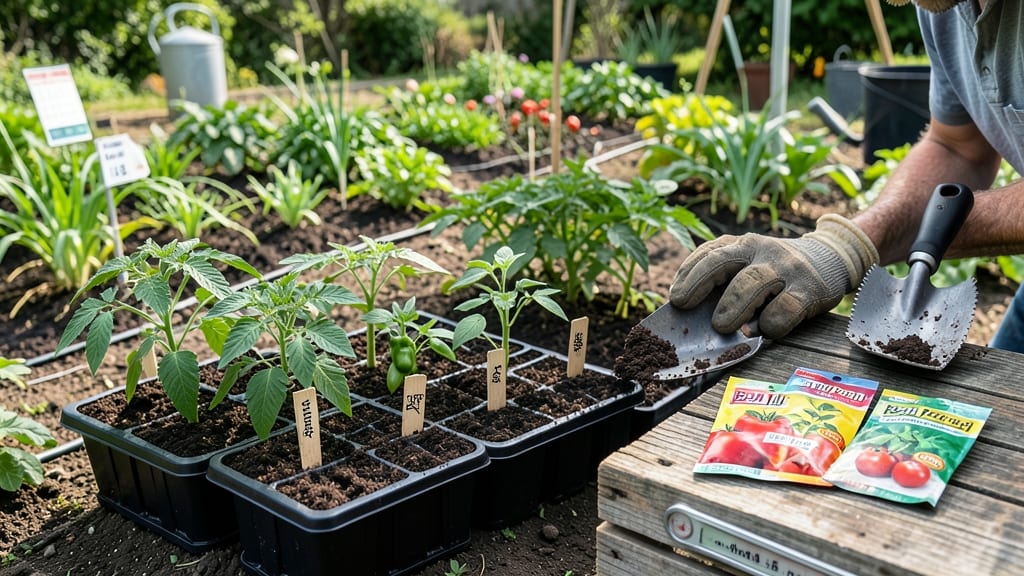
Planting a garden in Alabama at the right time means the difference between a thriving harvest and a sad pile of wilted seedlings.
Alabama’s warm climate and diverse microclimates make it a gardener’s paradise—but planting too early or late can mean the difference between a bountiful harvest and wasted seeds. Timing your garden right by region ensures your tomatoes, peppers, and greens thrive when they should.
North Alabama’s cooler springs and early frosts demand a different approach than South Alabama’s longer frost-free seasons. Whether you’re in Huntsville’s Zone 7a or Mobile’s Zone 8b, knowing your last frost date is the key to success.
Below, I break down the best planting windows for your 🌱 General Garden Vegetables, from cool-season greens to heat-loving okra, so you can eat fresh from your garden all year.
Alabama’s frost-free dates by region: critical planting windows for vegetables
Alabama’s diverse climate means your last spring frost and first fall frost dates can vary dramatically—sometimes by weeks—depending on whether you’re in North Alabama’s cooler hills or South Alabama’s humid coastal plains.
Getting these dates right ensures your tomatoes, okra, and broccoli thrive instead of wilting or freezing. Let’s break down the critical windows by region so you can plant with confidence.
For North Alabama (think Huntsville or Decatur), the average last frost typically falls around March 15, while South Alabama (Mobile or Daphne) can push that back to March 1 or later.
Similarly, the first frost in North Alabama often arrives by November 15, but South Alabama might delay it until December 1. These shifts create 2-3 week differences in planting windows—enough to ruin a crop if you’re not prepared.
Here’s the key: Cool-season crops like lettuce and spinach should go in 4-6 weeks before your last frost, while warm-season crops like peppers and squash need to wait until 2 weeks after.
Miss these timings, and you’ll either lose seedlings to frost or watch your heat-loving plants bolt in the summer heat.
| Region | Last Spring Frost | First Fall Frost | Cool-Season Planting Window | Warm-Season Planting Window |
|---|---|---|---|---|
| North Alabama (Huntsville) | March 15 | November 15 | February 15 - March 15 | April 1 - May 15 |
| Central Alabama (Birmingham) | March 1 | November 30 | January 15 - March 1 | March 15 - May 1 |
| South Alabama (Mobile) | February 28 | December 1 | January 1 - February 28 | March 1 - April 30 |
In North Alabama, where frosts linger longer, start your cool-season crops like broccoli or kale in mid-February. Wait until April 1 to plant tomatoes and peppers, as earlier plantings risk frost damage.
For Central Alabama, you’ve got a slightly earlier start: late January for greens and mid-March for warm-season plants. Meanwhile, South Alabama gardeners can push the envelope—late January for cool crops and early March for tomatoes.
Don’t forget fall planting! In North Alabama, sow spinach or radishes by August 15 for a harvest before frost. In South Alabama, you can stretch it to September 15—but hurry, as temperatures drop faster than you’d think.
Pro tip: Use row covers to extend your fall harvest by a few weeks in cooler regions.
For warm-season crops, timing is everything. Plant okra or sweet potatoes too early in North Alabama, and they’ll bolt in the heat. Too late, and they won’t mature before frost.
Aim for mid-April to early May in the north and early March to late April in the south. Okra, a Southern staple, thrives in heat—so don’t rush it! Wait until soil temps hit 70°F before planting.
Microclimates matter too. Urban areas like Birmingham can be 5-10°F warmer than rural spots, while mountain valleys (like near Gadsden) may frost later. Adjust your planting by 1-2 weeks if you’re in a heat island or cooler microclimate.
Always check local frost data from sources like the Alabama Cooperative Extension for the most precise guidance.
Finally, succession planting is your secret weapon. In North Alabama, plant lettuce every 2 weeks from February to August to avoid bolting. In South Alabama, stretch it to January through October.
This ensures a steady harvest and minimizes wasted seeds. With these regional windows, you’ll turn Alabama’s climate into your garden’s superpower.
Ready to dig in? Grab your calendar, mark those frost dates,
Best vegetables to plant in Alabama’s spring vs. fall seasons
Alabama’s long, hot summers and mild winters create perfect conditions for two distinct gardening seasons. In spring, focus on cool-season crops that thrive before temperatures soar, while fall offers a second chance to grow heat-loving vegetables.
Timing is everything—plant too early, and your greens bolt; too late, and your tomatoes suffer from summer heat stress.
Spring planting in Alabama typically begins in mid-February to early April, just before the last frost. This window is ideal for leafy greens like spinach and kale, which love cooler weather.
Meanwhile, fall planting runs from late July to early September, allowing heat-tolerant crops like sweet potatoes and peppers to mature before winter sets in.
🌱 Spring Specialists: Broccoli, cabbage, lettuce, peas, and radishes thrive in Alabama’s spring. These crops handle the mild temperatures and shorter days, giving you a harvest before summer’s intensity peaks.
🌿 Fall Favorites: Tomatoes, peppers, okra, and sweet potatoes shine in Alabama’s fall garden. Their heat tolerance lets them grow strong even as temperatures remain warm well into October.
To extend your growing season in Alabama’s hot summers, use shade cloth or plant heat-tolerant varieties. For example, okra and sweet potatoes handle the heat better than tomatoes, which may need afternoon shade in peak summer months. Mulching also helps retain moisture and keep roots cool.
For fall gardens, focus on quick-maturing varieties to beat the first frost, which typically arrives in mid-November in most of Alabama. Succession planting—sowing new seeds every 2-3 weeks—ensures a continuous harvest of lettuce or radishes throughout the season.