
Planting
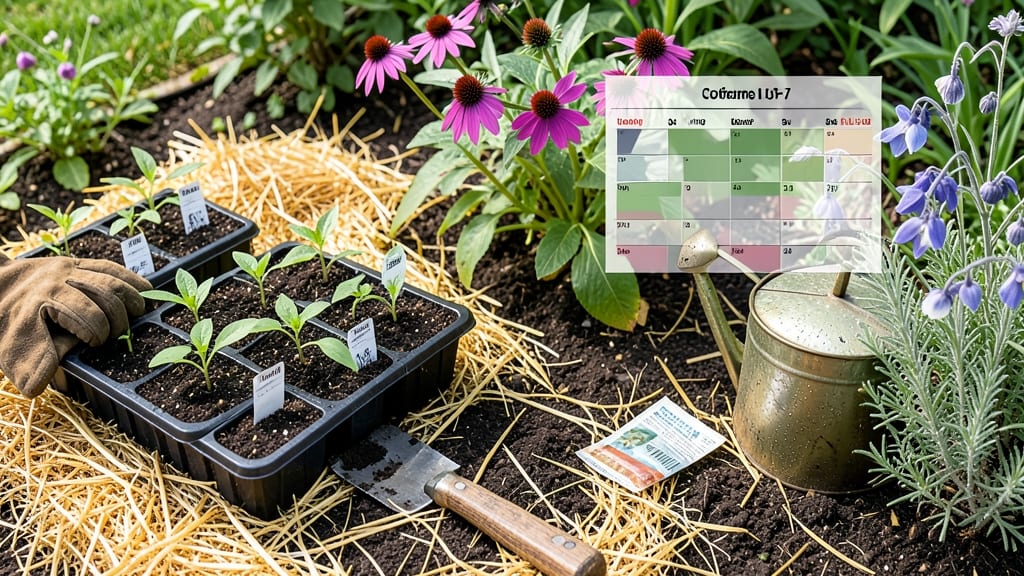
Planting a garden in Colorado means timing is everything—get it wrong, and you’re left with frost-nipped seedlings or bolting greens before they mature.
Colorado’s diverse elevation zones mean your garden’s planting schedule can vary dramatically—from early spring starts at lower elevations to late-season planting in the mountains. Get the exact frost-free dates and planting windows tailored to your location to maximize your harvest.
Cool-season crops like peas and spinach thrive when planted 4-6 weeks before your last frost, while tomatoes and peppers need to wait until after the average last frost date—April 15 for most of the state, but May 15 in mountain regions.
Below, I break down the best planting times by elevation zone, how to adjust for Colorado’s unpredictable weather, and the top crops for your specific microclimate—so you can grow a bountiful harvest without the guesswork.
Colorado’s frost-free dates by elevation zone: when to plant cool-season vs. warm-season crops
Colorado’s dramatic elevation changes—from 5,000 feet on the plains to 10,000+ feet in the mountains—create wildly different planting windows. The Front Range (Denver area) typically sees its last frost in mid-April, while mountain regions like Aspen or Telluride may not reach frost-free conditions until late May or June.
Understanding these zones helps you avoid late frosts that can devastate tender seedlings.
For cool-season crops like spinach, peas, and lettuce, timing is critical. These plants thrive in 50-65°F soil and can handle light frosts. In lower elevations, start seeds indoors 4-6 weeks before your last frost date.
Meanwhile, warm-season crops such as tomatoes, peppers, and basil need consistent 70°F+ soil and should wait until 2-3 weeks after your last frost.
Here’s a quick reference for Colorado’s four key elevation zones and their frost-free dates:
| Zone | Avg. Elevation | Last Frost Date | First Frost Date | Cool-Season Start | Warm-Season Start |
|---|---|---|---|---|---|
| Front Range (Denver, Boulder) | 5,000–7,000 ft | April 15 | October 15 | March 15 (indoors) | May 1 |
| Western Slope (Grand Junction, Durango) | 4,500–6,500 ft | April 1 | October 30 | February 28 (indoors) | April 20 |
| High Plains (Fort Collins, Greeley) | 4,000–5,500 ft | April 10 | October 20 | March 1 (indoors) | April 25 |
| Mountains (Aspen, Leadville) | 7,500–10,000+ ft | May 15 | September 15 | April 15 (indoors) | June 10 |
If you live in the Front Range, you can start spinach and peas as early as late February indoors or mid-March outdoors under row covers. For tomatoes and peppers, wait until after May 1 to transplant seedlings, as late frosts are common.
In mountain regions, focus on short-season varieties like bush beans or radishes, which mature quickly before the first frost.
Microclimates add another layer of complexity. A south-facing slope warms up faster than a north-facing garden, potentially extending your growing season by 2-3 weeks. Urban areas like Denver often experience heat islands, allowing earlier planting of warm-season crops.
Always check your local USDA zone (typically 5-7 in Colorado) and adjust for 1-2 zones warmer in microclimates.
For warm-season crops, consider using black plastic mulch or soil warming blankets to jumpstart growth in cooler zones. In high-elevation areas, opt for fast-maturing varieties like ‘Early Girl’ tomatoes (55 days) or ‘Sugar Ann’ peas (60 days).
These varieties give you the best chance of a harvest before frost.
Don’t forget about succession planting! In lower elevations, you can plant bush beans or carrots every 2-3 weeks from May through July to extend harvests. Meanwhile, cool-season crops like kale and broccoli can be sown in late summer for fall harvests, even in mountain regions.
Use row covers or cold frames to push your season further. These tools can add 4-6°F of protection, letting you plant spinach or lettuce 2-3 weeks earlier in spring or extend harvests by 2-3 weeks in fall. Just remove covers when plants flower to prevent heat stress.
Finally, keep an eye on Colorado’s unpredictable weather. Late frosts in May or early heatwaves in June can throw off even the best-laid plans. Sign up for local weather alerts and have row covers or frost cloth ready to protect tender seedlings.
With the right timing and tools, you can enjoy a bountiful harvest no matter where you garden in Colorado.
🌱
How to adjust your planting schedule for Colorado’s unpredictable weather patterns
Colorado’s weather can shift faster than a mountain breeze—one day you’re planting warm-season tomatoes, and the next, a late frost threatens your seedlings. The key to success? Flexibility and proactive adjustments.
By understanding how to extend your growing season, protect tender plants, and interpret local forecasts, you can turn Colorado’s unpredictable climate into an advantage for a bountiful harvest.
Start by monitoring local frost dates from resources like the Colorado Climate Center. These dates shift yearly, so don’t rely on last year’s schedule. For example, Denver’s last frost might average April 15, but it could arrive as late as May 10.
Use row covers or cold frames to push boundaries—these can add 2-4 weeks to your planting window for cool-season crops like spinach or peas.
- 1. Soil Warming: Use black plastic mulch or straw bales 2 weeks before planting to raise soil temps by 10-15°F—ideal for warm-season crops like peppers or eggplants.
- 2. Succession Planting: Stagger plantings every 2 weeks for crops like lettuce or radishes to ensure continuous harvests despite weather swings.
- 3. Cold-Hardy Varieties: Choose ‘Colorado Improved’ peas or ‘Winterbor’ kale, which tolerate 20°F without damage.
- 4. Frost Watch: Sign up for NOAA alerts or use apps like FrostWatch to get 48-hour frost warnings—time to cover plants!
- 5. Heatwave Prep: Mulch heavily in June/July to retain moisture and use shade cloth (30-50%) for heat-sensitive plants like basil.
Don’t let early heatwaves derail your plans. If temperatures soar above 85°F before your tomatoes are set, opt for shade-tolerant varieties like ‘Solar Fire’ peppers or grow in partial shade. Pair this with drip irrigation to keep roots cool and consistent.
For mountain gardeners, focus on short-season crops like bush beans or radishes, which mature in 30-45 days—plenty of time to harvest before the first frost.
Interpreting weather forecasts is an art in Colorado. Look for 7-day highs/lows and moisture predictions—a forecast of 50% chance of rain might mean your soil stays workable longer. Pair this with a soil thermometer to confirm when temps hit 50°F (ideal for planting peas) or 60°F (for tomatoes).
Pro tip: Plant after a warm rain—moist soil warms faster than dry soil.
Extend your fall harvest by planting garlic and onions in October—they’ll overwinter and thrive in Colorado’s cool springs. For tender crops like bush beans, use low tunnels to create a 10°F warmer microclimate and push harvests into October.
Even a simple row cover can add 1-2 weeks of growing time for greens like arugula or mustard.
Remember: Colorado’s microclimates mean your neighbor’s garden might be thriving while yours struggles. A south-facing slope warms up faster than a north-facing yard, so adjust your schedule accordingly. With these strategies, you’ll turn Colorado’s weather whims into garden gold—no matter what Mother Nature throws your way. 🌱