
Planting
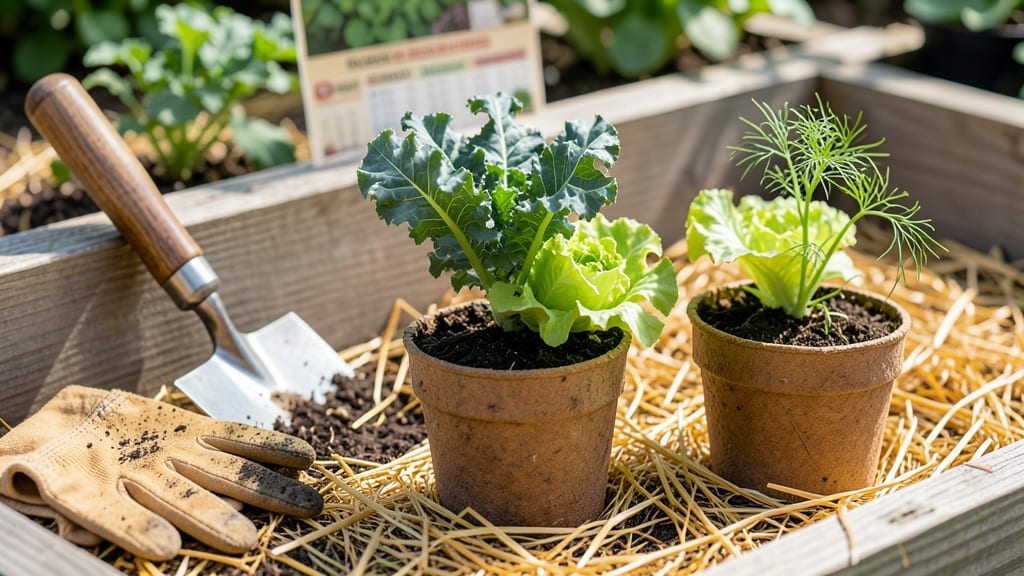
Planting your garden in Connecticut at the right time means the difference between a bountiful harvest and a sad, frost-nipped failure.
Connecticut’s unpredictable spring weather can turn your gardening dreams into a gamble—but knowing the exact last frost dates for each plant type ensures your garden thrives, not withers. Avoid costly mistakes by planting at the perfect time, tailored to CT’s microclimates and hardiness zones.
With 5b-6b zones and frost dates that shift yearly, timing isn’t just about the calendar—it’s about soil temperature, plant type, and even your neighborhood’s microclimate.
Cool-season crops like spinach and peas can handle a light frost, while warm-season favorites like tomatoes need to wait until after April 15 (give or take).
In this guide, you’ll discover the ideal planting windows for vegetables, flowers, and perennials, plus proven strategies to extend your growing season—so you can enjoy fresh produce from spring to fall without the guesswork.
CT last frost dates by zone: when to plant cool-season vs warm-season crops
Connecticut’s gardening season hinges on last frost dates, which vary dramatically between USDA zones 5b and 6b. In zone 5b (northern CT), the average last frost arrives around May 15, while zone 6b (southern CT) typically sees frost-free conditions by May 1.
These dates determine whether your cool-season crops like spinach or warm-season staples like tomatoes have enough time to mature before winter’s return.
Urban areas like Hartford often experience earlier last frosts (April 25) due to the "heat island effect," while rural Litchfield County may wait until May 20. Always check local CT agricultural extensions for year-specific updates, as frost dates can shift by 1-2 weeks annually.
For example, 2023’s late spring delayed planting by 10 days in many regions.
Cool-season crops like peas, lettuce, and kale thrive when planted 4-6 weeks before the last frost date. In zone 5b, this means mid-March to early April, while zone 6b gardeners can start as early as late February. These plants tolerate light frosts (down to 25°F) and even improve in flavor after a cold snap.
Warm-season crops—including tomatoes, peppers, and cucumbers—require soil temperatures above 50°F and no frost risk. In CT, this typically means waiting until May 20-30 in zone 5b and May 10-20 in zone 6b. Starting these plants indoors 6-8 weeks before the last frost (by April 1) gives them a head start.
| Plant Type | Zone 5b (Northern CT) | Zone 6b (Southern CT) | Key Notes |
|---|---|---|---|
| Cool-Season Crops | Mid-March to April 15 | Late February to April 1 | Tolerates 25°F; plant early for fall harvest. |
| Warm-Season Crops | May 20-30 | May 10-20 | Soil must be 50°F+; use frost cloth if late. |
| Peas & Spinach | March 15-April 1 | February 28-March 15 | Direct sow; succession plant every 2 weeks. |
| Tomatoes & Peppers | Start indoors April 1 | Start indoors March 15 | Transplant after May 15; use black plastic mulch. |
| Perennials | April 15-May 10 | April 1-May 1 | Plant after soil warms; mulch heavily. |
For perennials like asparagus, rhubarb, and strawberries, timing is equally critical. Plant these crowns in early spring (April 15-May 10 in zone 5b) when soil is workable but before active growth begins.
In zone 6b, you can start as early as April 1, but avoid planting if frost is forecasted within 2 weeks.
Urban gardeners in New Haven or Stamford often face microclimate challenges, such as cooler nights near waterfronts. Use a soil thermometer to confirm 50°F+ soil temps before planting warm-season crops.
If your garden sits in a low-lying area, expect later frosts—delay planting by 1-2 weeks as a precaution.
Protect young plants with frost cloths if late frosts threaten. In 2022, a May 10 frost in Enfield wiped out unprotected seedlings. For warm-season crops, use row covers until June 1 to ensure safe growth.
Always monitor the National Weather Service for frost advisories—they’re your best early warning system.
Fall planting follows the opposite logic: cool-season crops can be sown 8-10 weeks before the first frost (October 15 in zone 5b, October 1 in zone 6b). This means late July to early August for spinach, kale, and rad
How to extend your CT growing season: 5 proven strategies for early/late planting
Connecticut’s short growing season doesn’t have to limit your harvest. By using smart strategies, you can push your planting windows earlier or later, giving you extra weeks of fresh produce.
The key is understanding CT’s 28°F frost threshold and how to protect tender plants from late springs or early autumn chills.
Start by planning for succession planting, which means staggering your sowing schedule to ensure a continuous harvest. For example, planting lettuce every 2 weeks from late April through June keeps your salad bowl full until fall. This method works especially well for fast-growing crops like radishes and spinach.
Another game-changer is using frost cloths or row covers. These lightweight fabrics raise soil temperatures by 2-8°F and protect seedlings from light frosts. I’ve seen basil and tomatoes thrive under frost cloth even when nighttime temps dip to 30°F.
Just remember to remove covers during the day for proper airflow.
-
1. Start Seeds Indoors
Begin broccoli, cabbage, and peppers 6-8 weeks before last frost (mid-March). Use grow lights for 14-16 hours of light daily. -
2. Use Cold Frames
Extend spring by 3-4 weeks with clear plastic or glass covers. Ideal for lettuce, kale, and carrots. -
3. Swap Heat-Tolerant Varieties
Replace standard tomatoes with heat-set varieties like 'Solar Fire' or 'Arkansas Traveler' for late summer. -
4. Succession Plant Every 2 Weeks
Sow bush beans, zucchini, and cucumbers in batches to avoid gluts and ensure continuous harvests. -
5. Calculate Safe Transplant Dates
Use the 50°F soil rule for warm crops (tomatoes, peppers) and wait until average nighttime temps stay above 40°F.
For late-season extensions, focus on fall planting. Start spinach and kale in late July for harvests through October. These cool-season crops actually taste sweeter after a light frost! Just be sure to mulch heavily with straw to insulate roots from early freezes.
Don’t overlook microclimates—southern CT (like New London) enjoys 2-3 warmer weeks than northern areas (like Torrington). Use this to your advantage by planting heat-loving crops like okra or sweet potatoes in warmer pockets of your yard.
With these strategies, you can turn CT’s 165 frost-free days into a 200+ day harvest window. The secret? Start early, protect tender plants, and keep planting until the soil itself tells you it’s time to stop. Happy growing! 🌱