
Planting
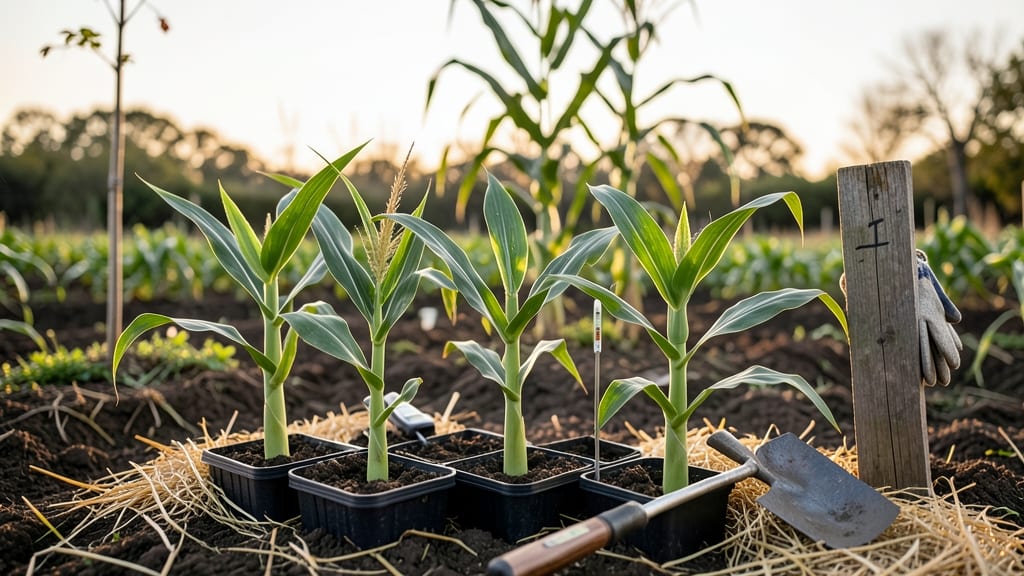
Planting a garden in Iowa at the right time means the difference between a thriving harvest and a sad pile of frost-nipped seedlings.
Iowa’s unpredictable frost dates can make or break your garden—plant too early, and you risk losing seedlings to late freezes; too late, and your harvest suffers. Timing is everything, especially when Iowa’s growing zones range from 5a to 6b, with frost-free dates shifting dramatically across the state.
This guide breaks down the ideal planting windows for your region, whether you’re in Des Moines, Sioux City, or the northern reaches of Zone 5a. We’ll cover when to start seeds indoors, transplant warm-season crops, and adjust for Iowa’s notorious weather whiplash.
By the end, you’ll know exactly when to plant your 🌱 garden for maximum success—no guesswork, just a bountiful harvest.
Iowa’s frost-free dates by growing Zone: when to start planting
Understanding Iowa’s USDA Hardiness Zones 5a-6b is key to avoiding frost damage and maximizing your garden’s potential. The state’s last spring frost dates and first fall frosts vary dramatically—sometimes by weeks—between northern and southern regions.
For example, Sioux City (Zone 5a) typically sees its last frost around May 15, while Des Moines (Zone 5b) averages May 1, and Cedar Rapids (Zone 6a) often warms up by April 25. These differences mean your planting schedule should shift based on location.
Cool-season crops like spinach, peas, and lettuce can handle light frosts and even thrive in early spring soil (as low as 40°F). However, warm-season crops—tomatoes, peppers, and cucumbers—require soil temperatures above 60°F and won’t tolerate frost.
Planting these too early risks stunted growth or death. Use these frost-free date guidelines to align your garden with Iowa’s climate patterns.
🌱 Pro Tip: Always check NOAA’s Frost Prediction Maps or your local Iowa State University Extension for real-time updates. A late frost in May can push back planting by weeks, while an early warm spell might tempt you to plant too soon.
For cool-season crops, start seeds indoors 6-8 weeks before your last frost date. In Zone 5a (Sioux City), that means early March for spinach or peas, while Zone 6b (Davenport) gardeners can begin in late February.
Direct-sow hardy greens like kale or arugula as soon as soil is workable—often by mid-March in southern Iowa and early April in the north.
Warm-season crops demand patience. Wait until soil temperatures reach 60°F (use a soil thermometer to confirm) before planting tomatoes, peppers, or eggplants. In Des Moines, this typically aligns with late May, while Cedar Rapids may see safe planting by mid-May.
To hedge your bets, use black plastic mulch or row covers to warm soil faster and protect young plants.
🌿 Key Consideration: Iowa’s microclimates can create local variations. South-facing slopes warm up faster, while low-lying areas hold frost longer. Observe your yard’s patterns for 3-5 years to refine your planting schedule. Urban areas like Des Moines may also experience urban heat islands, pushing back frost dates slightly.
Don’t overlook fall planting for cool-season crops. In Zone 5a, you can sow spinach or radishes as late as September 1 for a harvest before winter.
Meanwhile, Zone 6b gardeners might extend this to mid-September. Use row covers to protect tender crops from early frosts and extend your harvest window.
If you’re unsure about your local frost dates, plant frost-sensitive crops in containers that can be moved indoors or under cover during unexpected cold snaps. This is especially useful for peppers or basil, which struggle with even light frosts.
For a foolproof approach, start with fast-maturing varieties (like bush beans or bush peas) to ensure a harvest before fall frosts arrive.
Remember, Iowa’s growing season is short but intense. By aligning your planting
Best planting schedule for Iowa’s top 10 garden crops
Iowa gardeners know that timing is everything—especially when balancing short growing seasons with unpredictable frost dates. My top 10 crops cover everything from fast-growing radishes (ready in 25 days) to slow-maturing sweet corn (needing 110+ days).
The key? Knowing when to start seeds indoors vs. outdoors and adjusting for your specific USDA zone (5a-6b).
For cool-season crops like spinach and peas, I start seeds directly outdoors as soon as soil is workable (late March-early April). Warm-season crops—like tomatoes and peppers—require indoor starts 6-8 weeks before last frost (typically mid-April to early May).
Organic gardeners should also account for soil warming with black plastic mulch or row covers.
- 1 March-April: Sow spinach, peas, lettuce outdoors when soil reaches 40°F. Start onions, leeks indoors.
- 2 April-May: Transplant tomatoes, peppers, eggplants after last frost (use row covers for Zone 5a). Direct-sow beans, squash, cucumbers when soil hits 60°F.
- 3 May-June: Succession plant radishes, carrots, beets every 2 weeks. Start broccoli, cabbage indoors for fall harvest.
- 4 June-July: Plant fall garlic in late June. Direct-sow kale, collards for winter harvest. Watch for early blight in tomatoes.
- 5 July-August: Sow turnips, radishes for late-summer harvest. Transplant cabbage for fall harvest (use floating row covers).
Pro tip: Use biodegradable pots for organic seedlings to avoid transplant shock. For conventional gardens, pre-emergent herbicides should be applied after planting but before weeds sprout. My Zone 5b garden in central Iowa loses 20% fewer tomatoes when I harden off seedlings for 10 days before transplanting.
Adjust for microclimates: South-facing slopes warm faster than low areas. In northern Iowa (Zone 5a), delay warm-season crops by 1-2 weeks. Always check NOAA frost forecasts—I’ve saved entire pepper crops by covering them with frost blankets during unexpected late frosts.
For organic gardeners, focus on compost-rich soil to speed up warming. My compost-amended beds reach planting temperatures 7-10 days earlier than conventional soil. Test soil pH (ideal: 6.0-7.0) and amend with lime or sulfur as needed before planting.
Remember: Radishes (25 days) and bush beans (50 days) are Iowa’s fastest crops—perfect for succession planting to extend harvests. Sweet corn (110+ days) and winter squash (90-120 days) need the longest growing seasons, so start them early and use row covers to protect from late frosts.