
Planting
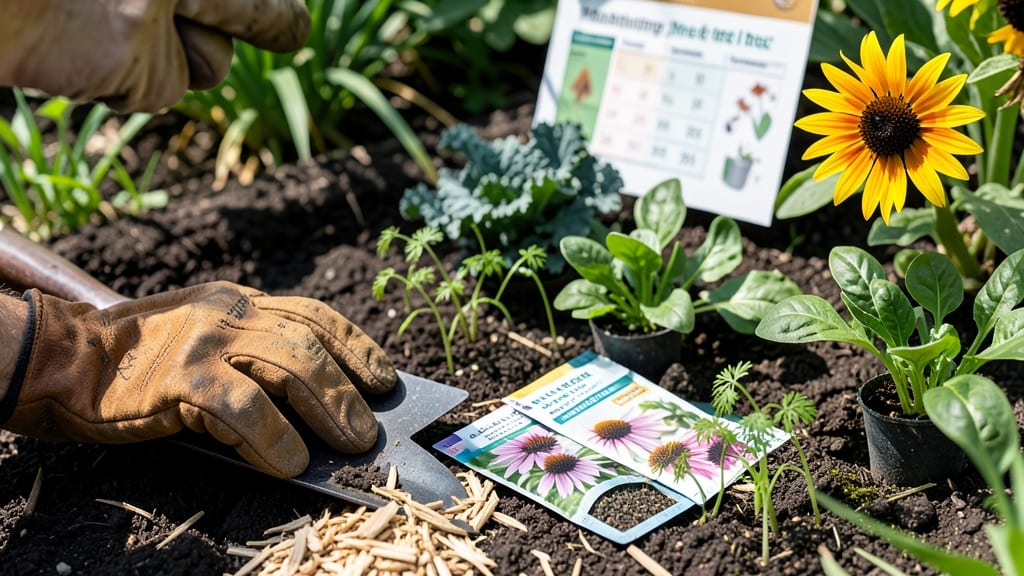
Planting a garden in Minnesota means working with 120-160 frost-free days—a tight window where timing can make or break your harvest.
Minnesota’s unpredictable climate can turn gardening into a high-stakes guessing game—plant too early, and frost will strike; too late, and your harvest season shrinks. But timing it right means lush vegetables, thriving flowers, and a bountiful garden that outlasts the state’s infamous late frosts.
Whether you’re growing cool-season crops like peas and spinach in early spring or warm-season favorites like tomatoes and peppers in summer, knowing the last frost date for your USDA Zone 3b-5a area is the key to success.
Below, I’ll break down the best planting windows for your region, how to extend the season with row covers and cold frames, and the three biggest mistakes Minnesota gardeners make—so you can plant with confidence and avoid the heartbreak of a wasted season.
Minnesota frost-free dates by hardiness Zone: when to start planting
Minnesota’s USDA Hardiness Zones 3a to 4b create a unique gardening puzzle—each zone has its own last frost dates, which dictate when to plant everything from cool-season crops like peas to warm-season favorites like tomatoes. Understanding these dates helps you avoid the dreaded "May snow" or missed harvest windows.
For example, Zone 3a (northern MN) typically sees its last frost around May 15, while Zone 4b (southern MN) warms up by May 1. These differences mean your planting schedule should shift based on where you live.
To navigate this, I’ll break down the average frost-free dates for each zone, along with early spring, late spring, and summer planting windows tailored to Minnesota’s climate.
Whether you’re sowing spinach in April or waiting for tomatoes in June, these timelines will help you sync your garden with nature’s rhythm. Pro tip: Always check the MN State Climatology Office for real-time updates, as frost dates can vary by 1-2 weeks year to year.
| Zone | Last Frost (Avg.) | First Frost (Avg.) | Early Spring Planting | Late Spring Planting | Summer Planting |
|---|---|---|---|---|---|
| 3a (North MN) | May 15 | September 25 | April 15 (cold-hardy crops) | June 1 (warm crops) | July 15 (succession) |
| 3b (Central MN) | May 10 | September 20 | April 1 (cold-hardy crops) | May 20 (warm crops) | June 30 (succession) |
| 4a (South-Central MN) | May 5 | September 15 | March 30 (cold-hardy crops) | May 10 (warm crops) | June 15 (succession) |
| 4b (Southeast MN) | April 25 | September 10 | March 15 (cold-hardy crops) | April 30 (warm crops) | June 1 (succession) |
*Dates are averages; always monitor local forecasts for adjustments.
For Zone 3a gardeners in the north, the early spring window (April 15) is perfect for peas, spinach, and kale, which tolerate light frosts.
Wait until June 1 to plant tomatoes, peppers, and cucumbers, as the soil and air must stay above 50°F (10°C) for these warm-season crops to thrive.
In contrast, Zone 4b in the southeast can start warm crops as early as April 30, giving you a 2-week advantage for longer harvests.
One of my biggest lessons? Don’t rush warm-season plants—even if the calendar says May, a late frost can wipe out your basil or eggplants overnight. Use row covers or a cold frame to protect seedlings until the threat of frost passes.
For example, in Zone 3b, I’ve lost entire tomato plantings because I planted too early. Now, I wait until May 20 and use black plastic mulch to warm the soil faster.
Summer planting in Minnesota isn’t just about tomatoes and zucchini—it’s also about succession planting. After your early June harvests, replant bush beans, lettuce, or radishes every 2-3 weeks to keep the harvests coming.
In Zone 4a, for instance, I’ll sow carrots in late June for a fall harvest before the first frost hits. This strategy maximizes your growing season, which averages just 120-160 frost-free days across the state.
Fall planting is another critical window, especially for cool-season crops like broccoli, Brussels sprouts, and garlic. In Zone 4b, you can plant garlic in October for next year’s harvest, while Zone 3a gardeners should aim for early September to avoid winter kill.
The key is to plant 6-8 weeks before the first frost, giving crops time to mature before the ground freezes. I’ve had great success with spinach and kale planted in late August, which sweeten up after a light frost—a phenomenon called winter hardening.
Histor
Best planting schedule for Minnesota crops: cool-season vs. warm-season timing
Minnesota gardeners know timing is everything—get it wrong, and your tomatoes bolt or your kale freezes before harvest. The key is understanding cool-season vs. warm-season crops, and when to plant them to avoid frost damage while maximizing yield.
I’ve broken it down by month, so you can plan your garden like a pro.
Cool-season crops thrive in 50-75°F soil and can handle light frosts, making them ideal for early spring and fall planting. Warm-season crops, however, need soil temps above 60°F and won’t germinate until late spring or summer. Let’s dive into the exact timing for your top Minnesota crops.
📅 Numbered Highlights: Minnesota Planting Schedule
- April 15-May 15: Plant cool-season crops like peas, spinach, and lettuce as soon as soil is workable. Use row covers for frost protection.
- May 15-June 1: Sow hardy warm-season crops like potatoes and onions. Start tomato and pepper seeds indoors for late May transplanting.
- June 1-June 15: Transplant tomatoes, peppers, and cucumbers after last frost (usually May 15-June 1). Succession plant beans and squash every 2 weeks.
- July-August: Direct-sow fall crops like kale, carrots, and radishes for a late harvest. Avoid planting warm-season crops after July 15.
- August 15-September 15: Plant garlic and hardy greens for winter harvest. Succession plant spinach and arugula every 3 weeks.
Succession planting is your secret weapon in Minnesota’s short season. For example, plant lettuce every 2 weeks from April to August to ensure a continuous harvest. Similarly, bush beans can be sown every 3 weeks from late May until July for a steady supply.
Common mistakes to avoid include planting warm-season crops too early (they’ll rot in cold soil) or skipping fall planting (you’ll miss out on hardy crops like kale and radishes).
Always check your local last frost date—it varies by zone, with northern Minnesota seeing frost later than the Twin Cities.
Pro tip: Use mulch to extend the season—it keeps soil warm for warm-season crops in spring and cool for fall harvests. And don’t forget to harden off seedlings before transplanting to avoid shock from Minnesota’s unpredictable weather.