
Planting
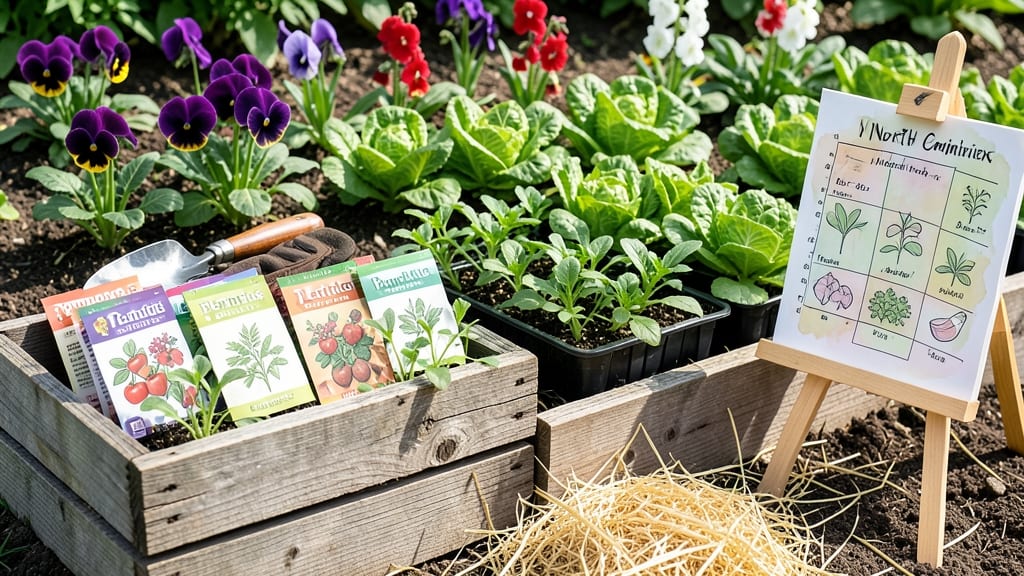
Planting a garden in NC at the right time means the difference between a bumper crop and a sad, wilted mess—especially when your last frost could still be lurking in April.
North Carolina’s mild winters and long growing season make it a gardener’s paradise—but planting too early or late can mean wasted seeds and stunted plants. Timing your garden correctly ensures strong yields, whether you're growing tomatoes in the Piedmont or peppers in the Coastal Plain.
Cool-season crops like lettuce and spinach can handle a light frost, so you can start them as early as mid-March in most of the state.
Meanwhile, warm-season favorites like peppers and squash need to wait until after your last frost, usually mid-April in the Mountains or even later in the Coastal Plain.
Below, I’ll break down the best planting windows by crop and region, plus tips for extending your season with row covers and raised beds—so you can get the most out of your 🌱 General Vegetable Garden all year.
NC frost dates by region: when to start planting vegetables
North Carolina’s diverse geography means frost dates vary dramatically from the Coastal Plain to the Mountains. In the Triangle region (Raleigh-Durham), expect your last frost around March 15–April 1, while the Triad (Greensboro-High Point) typically sees frost until April 1–15.
Mountain areas like Asheville can experience frost as late as May 1, delaying warm-season plantings by weeks. These variations impact everything from tomato planting to broccoli succession.
Cool-season crops like kale, spinach, and carrots thrive when planted 4–6 weeks before your region’s last frost date. For example, in Zone 7b (Coastal), that means starting seeds indoors in February, while Zone 6a (Mountains) gardeners should wait until March 1.
Warm-season crops like peppers and squash need soil temperatures above 60°F, so hold off until 2–3 weeks after your last frost.
| Region | Last Frost Date | First Frost Date | Cool-Season Start | Warm-Season Start |
|---|---|---|---|---|
| Coastal Plain (Wilmington) | March 1–15 | November 15–30 | February 15–March 1 | April 15–May 1 |
| Triangle (Raleigh-Durham) | March 15–April 1 | November 1–15 | February 1–February 15 | April 1–15 |
| Triad (Greensboro-High Point) | April 1–15 | October 30–November 15 | March 1–15 | April 15–May 1 |
| Mountains (Asheville) | May 1–15 | October 15–30 | March 15–April 1 | May 15–June 1 |
Microclimates add another layer of complexity. Urban areas like Charlotte often warm up faster than rural Piedmont farms, while valleys in the Mountains can trap cold air, delaying planting by 10–14 days.
Use a soil thermometer to confirm when temperatures hit 50°F for cool crops or 60°F for warm crops—this is more reliable than frost dates alone.
For USDA Zone 7a gardeners (common in the Coastal Plain), direct-sow lettuce and radishes as early as January 15, but protect them with row covers if nights dip below 35°F. In Zone 6b (Piedmont), wait until February 1 for hardy greens.
Warm-season crops like beans and cucumbers can go in once soil warms to 65°F, typically late April in the Triangle but early June in the Mountains.
Adjust your schedule if you’re using raised beds or container gardens. These warm up faster than in-ground soil, allowing you to plant 2–3 weeks earlier for cool-season crops. For example, in Zone 7b, you might start spinach in containers by January 20 instead of February 1.
Just monitor soil temps closely—50°F is the magic number for germination.
Don’t overlook fall planting. The Coastal Plain can still grow kale and turnips until October 15, while the Mountains may extend harvests until November 1.
Plant broccoli by August 15 in the Triangle for a winter harvest, and use black plastic mulch to warm soil for peppers in late summer.
Pro tip: Bookmark your local Cooperative Extension Service frost maps (like NC State’s) for real-time updates. A late frost in April can wipe out tomato seedlings in the Piedmont, so have backup plants ready.
Similarly, an early September frost might ruin your fall squash—choose fast-maturing varieties like ‘Early Golden’ to hedge your bets.
Remember, frost dates are averages. Use them as guidelines, not rules. My Zone 7a garden in Wilmington once lost pepper seedlings to a May frost, but also grew tomatoes into December in a mild year.
Stay flexible, and your NC garden will reward you with bountiful harvests year after year. 🌱
Best planting calendar for NC gardens: month-by-month guide
North Carolina’s diverse microclimates mean your planting schedule should shift from the Coastal Plain to the Mountains. For southern NC, where summers are hotter, focus on heat-tolerant varieties like 'Heatmaster' tomatoes or 'Malabar' spinach.
In the Piedmont, you’ve got extra time to experiment with succession planting for continuous harvests.
Start with cool-season crops like lettuce and kale in February-March (4-6 weeks before last frost). Warm-season crops—tomatoes, squash, and peppers—wait until 2-3 weeks after last frost (typically mid-April to May). Southern NC gardeners can push warm-season starts even earlier, around March 15.
Here’s your month-by-month planting guide for NC’s most popular crops, with succession planting tips to keep your kitchen stocked all season:
| Month | Cool-Season Crops | Warm-Season Crops | Herbs & Greens | Succession Tip |
|---|---|---|---|---|
| February | Spinach, peas, broccoli | — | Cilantro, parsley | Start seeds indoors |
| March | Lettuce, kale, carrots | Tomatoes (southern NC) | Basil, dill | Sow every 2 weeks |
| April | Radishes, arugula | Peppers, squash | Chives, mint | Direct-sow beans every 3 weeks |
| May | — | Okra, sweet potatoes | Oregano, thyme | Transplant herbs now |
| June | — | Pumpkins, corn | Basil (heat-tolerant) | Mulch to retain moisture |
| July | — | Green beans, cucumbers | Cilantro (shade) | Harvest herbs frequently |
| August | Malabar spinach | Tomatoes (fall crop) | Parsley, sage | Plant fall greens now |
| September | Kale, collards | Peppers (fall crop) | Cilantro, chives | Sow every 2 weeks |
| October | Spinach, peas | — | Parsley, dill | Cover with row fabric |
For continuous harvests, use succession planting—sow lettuce every 2 weeks from March to September, or bush beans every 3 weeks in May and June. Southern NC’s longer growing season lets you push fall crops like 'Black Krim' tomatoes until October 15.
Pro tip: Heat-tolerant varieties like 'Arkansas Traveler' tomatoes or 'Southern Curled' collards thrive in southern NC’s 90°F+ summers. Pair them with shade cloth to prevent bolting in greens like arugula.
Always check your local Cooperative Extension for last frost dates—they vary by just a few weeks across the state!
🌱