
Planting
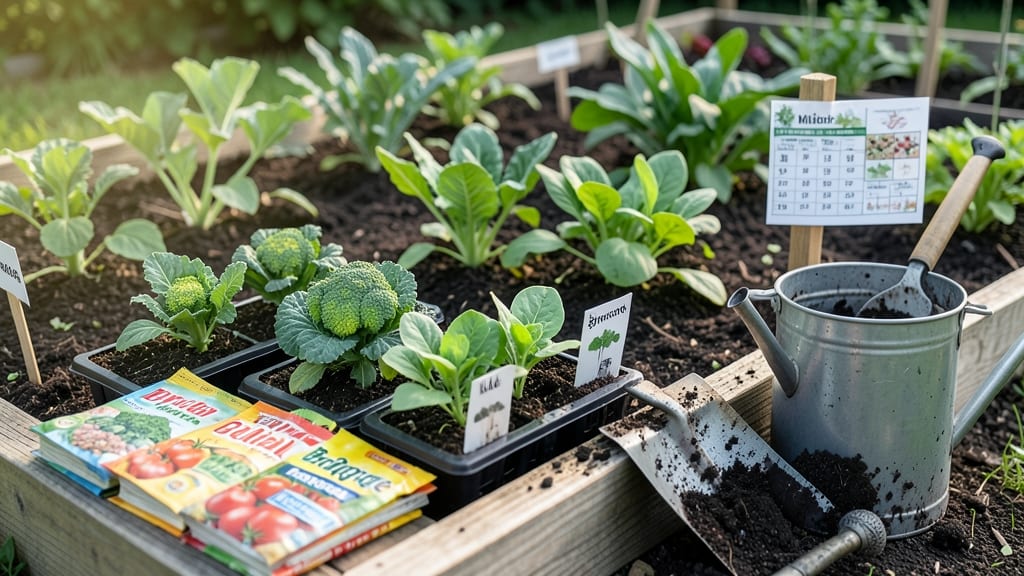
Planting a vegetable garden in Missouri at the right time means the difference between a thriving harvest and a sad pile of bolted lettuce or wilted tomatoes.
Missouri’s unpredictable climate can make or break your garden—planting too early risks frost damage, while waiting too long shortens the growing season. Get it wrong, and you’re left with stunted crops or wasted seeds. But nail the timing, and you’ll enjoy fresh veggies from May through November.
With USDA zones 5b-6b and frost-free dates that shift from mid-April in the north to early March near St. Louis, knowing when to plant isn’t one-size-fits-all.
Cool-season crops like spinach and peas need to go in as soon as the soil is workable, while tomatoes and cucumbers wait until after the last frost.
In this guide, I’ll break down the exact planting windows for your zone, plus pro tips to stretch your season with row covers and cold frames—so you can grow like a pro, no matter where in Missouri you’re digging in the dirt.
Missouri’s frost-free dates by planting Zone: key deadlines for starting your garden
Missouri’s USDA planting zones 5b through 7a create distinct windows for starting your vegetable garden. Getting these dates wrong can mean frost-damaged seedlings or missed harvests, but timing it right unlocks a bountiful, stress-free garden.
Let’s break down the critical deadlines by zone and how to use them for your planting schedule.
In Zone 5b (northern Missouri), the average last frost date is around April 15, while Zone 7a (southern Missouri) typically sees its last frost by March 25. These dates shift slightly each year, so always check your local Missouri Climate Center or National Weather Service for updates.
Even a few days difference can mean the difference between thriving plants and lost investments.
Here’s a quick reference for cool-season crops (like lettuce, spinach, and peas) vs. warm-season crops (like tomatoes, peppers, and squash). Cool-season crops can handle light frosts, while warm-season crops need consistent soil temperatures above 60°F to germinate properly.
⚠️ PRO TIP: Use row covers or cold frames to extend your planting window by 2-4 weeks in cooler zones. This lets you get a head start on warm-season crops like tomatoes or cucumbers without risking frost damage.
Below is a zone-specific planting calendar with frost-free dates, ideal planting windows, and key reminders for each USDA zone in Missouri. Bookmark this for your next gardening season!
For Zone 5b, where frost lingers later, focus on hardy cool-season crops like kale, carrots, and radishes in early spring. These can tolerate light frosts and even thrive when temperatures dip.
In contrast, Zone 7a gardeners can start warm-season crops like peppers and eggplants as early as March 1, giving them a head start on the growing season.
Missouri’s first frost warnings are just as critical as last frost dates. In Zone 5b, expect the first frost around October 20, while Zone 7a typically holds off until September 30.
Plan your fall planting accordingly—cool-season crops like broccoli and Brussels sprouts can still thrive if sown by August 15 in most zones.
Adjust your schedule based on local microclimates. Areas near large bodies of water (like Lake of the Ozarks) or urban heat islands (like St. Louis) may experience earlier last frosts or later first frosts than rural areas.
Use a home weather station or check with your local cooperative extension office for hyper-local insights.
Protect your warm-season seedlings with frost cloth if temperatures dip unexpectedly. Even a single night below 32°F can devastate young plants like <
Best vegetables to plant in Missouri: month-by-month schedule by crop type
Missouri’s diverse climate zones (5b-7a) mean your vegetable garden can thrive with the right timing. Whether you're in St. Louis or Kansas City, understanding when to plant each crop maximizes yields and avoids frost damage.
Below is my month-by-month schedule for Missouri’s most productive vegetables, including succession planting tips to keep your harvests flowing.
For northern Missouri (Zone 5b), late-season crops like tomatoes and peppers carry higher frost risk. In Zone 6-7, heat-tolerant varieties like okra and sweet potatoes shine. I’ll highlight heat-tolerant alternatives and succession planting strategies to stretch your growing season.
Cool-Season Crops (March-May)
Plant lettuce, spinach, and peas 4-6 weeks before last frost (early March). Use row covers for frost protection in Zone 5b.
Warm-Season Crops (May-June)
Wait until 2-3 weeks after last frost (mid-May) for tomatoes, beans, and squash. In Zone 6-7, opt for heat-tolerant varieties like 'Heatmaster' tomatoes.
Succession Planting (June-August)
Sow bush beans every 2 weeks through July for continuous harvests. For leafy greens, replant late July for fall harvests.
Fall Planting (August-September)
Plant kale, broccoli, and carrots by late July for fall harvests. In Zone 5b, use row covers to extend harvests into October.
Heat-Tolerant Alternatives (Zone 6-7)
Swap traditional tomatoes for 'Celebrity' or 'Heatmaster' varieties. Try okra or sweet potatoes for late-summer heat.
For succession planting, focus on fast-growing crops like radishes (30 days) and bush beans (50 days). In Zone 6-7, I plant okra in late June to avoid early-season pests. Always check seed packets for days to maturity to plan your schedule.
Missouri’s late-summer heat can stress cool-season crops. To combat this, I use shade cloth for lettuce and spinach in July-August. For northern Missouri, late-season crops like tomatoes and peppers are high-risk—consider greenhouse starts or row covers for extra protection.
Pro tip: Keep a planting journal to track what works in your specific microclimate. Note frost dates, rainfall patterns, and crop performance to refine your schedule each year. With these month-by-month guidelines, your Missouri garden will be productive year-round.