
Planting
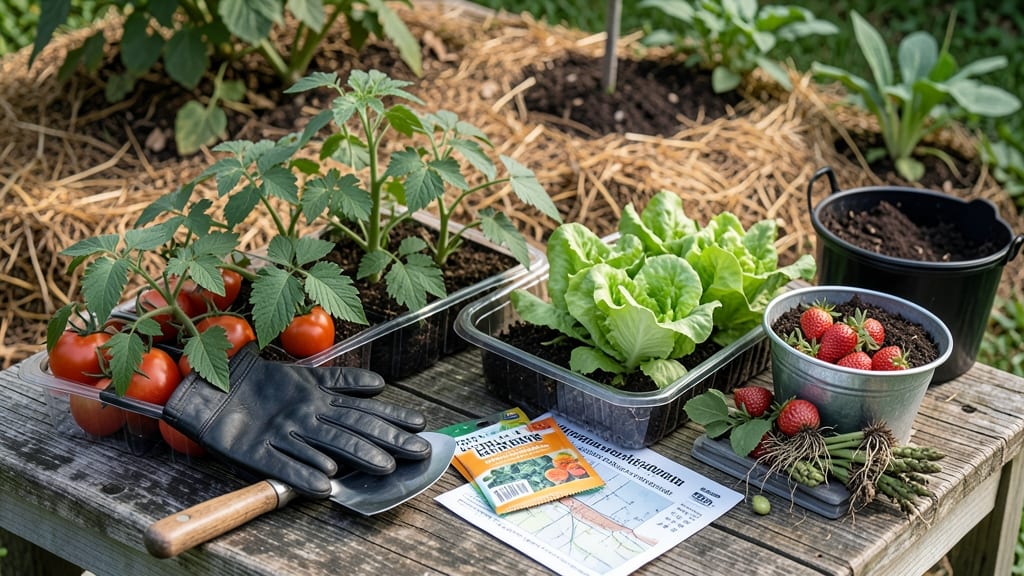
Planting a garden in Washington, DC, means timing your crops perfectly between the unpredictable last frost around April 15 and the first chill in November.
Washington, DC’s unique climate—hot summers and unpredictable frost—can make timing your garden planting a challenge, but getting it right means the difference between a thriving harvest and wasted seeds.
Cool-season crops like lettuce and peas need to go in the ground 4-6 weeks before that last frost, while tomatoes and peppers wait until 2-3 weeks after the danger has passed.
Below, I’ll break down the exact planting windows for DC’s most popular vegetables, how to adjust for microclimates, and when to harvest for the best flavor and yield.
Washington DC frost-free dates by season: when to plant cool vs warm-season crops
Washington DC’s frost dates create a 165-day growing season, but timing is everything. The last frost typically arrives between March 15 and April 15, while the first frost hits between October 15 and November 15.
These dates separate your cool-season crops (like lettuce and peas) from warm-season crops (like tomatoes and peppers). Getting this right means avoiding frost damage or stunted growth—no one wants to lose their hard work to a surprise freeze!
Cool-season crops thrive in cooler temperatures (40°F–75°F) and can handle light frosts. Plant them 4–6 weeks before your last frost for an early harvest. Warm-season crops, however, need consistent warmth (above 50°F) and should go in 2–3 weeks after the last frost.
DC’s urban heat islands can also shift these timelines—your backyard might be 5°F warmer than official records suggest, giving you extra time for heat-loving plants.
🌱 Key Dates to Mark on Your Calendar:
- March 15–April 15: Last frost window (cool-season planting begins)
- April 15–May 1: Safe to plant warm-season crops outdoors
- October 15–November 15: First frost window (harvest or protect tender plants)
- September 1–15: Last chance for fall planting (cool-season crops only)
For cool-season crops, think early spring and late summer. Lettuce, spinach, and peas can handle light frosts and even thrive in cooler weather. Start seeds indoors in February for a jump on the season, or sow directly in the garden by March 1.
If you miss this window, don’t worry—you can plant again in late summer (August 15) for a fall harvest before the first frost.
Warm-season crops like tomatoes, peppers, and basil need to wait
Best planting schedule for Washington DC’s most popular vegetables and herbs
Timing your garden in Washington DC is all about working with the city’s unpredictable frost dates and short but intense growing seasons. The key is knowing when to start seeds indoors, transplant tender crops, and schedule succession plantings to keep your harvests flowing all season.
With an average last frost date of April 15 and first frost around November 15, you’ve got about 180 frost-free days to work with—plenty for two full growing seasons if you plan carefully.
For cool-season vegetables like broccoli, kale, and spinach, you’ll want to start seeds indoors in March and transplant outdoors by early April. Meanwhile, warm-season crops such as tomatoes, peppers, and basil need to wait until after the last frost—usually late April or early May—before they can go into the ground.
Understanding these windows will help you avoid frost damage and maximize your garden’s potential.
- 1 March: Start broccoli, cabbage, and lettuce indoors. Harden off seedlings for early April transplanting.
- 2 April: Transplant cool-season crops (spinach, peas) and direct-sow radishes, carrots. Start tomato and pepper seeds indoors.
- 3 May: Plant warm-season crops (tomatoes, cucumbers, basil) after last frost. Begin succession plantings of lettuce and beans every 2 weeks.
- 4 June: Direct-sow beans, corn, and summer squash. Harvest early spring crops and replace with heat-tolerant varieties like okra or sweet potatoes.
- 5 July: Plant fall crops like kale, broccoli, and carrots for a late-season harvest. Keep succession plantings of beans and lettuce going.
- 6 August: Start cool-season seeds indoors for fall transplanting. Harvest warm-season crops before first frost hits.
One of my favorite tricks for continuous harvests is succession planting. For example, sow a row of lettuce every 2 weeks from April through July. This ensures you always have fresh leaves without a glut all at once.
Similarly, bush beans can be planted in two batches—one in early May and another in late June—to stretch your harvest through September.
Don’t forget about herbs like basil, cilantro, and parsley—they thrive in DC’s climate but have different timing needs. Basil loves the heat and should go in after the last frost, while cilantro bolts quickly in summer and does best in spring or fall.
For parsley, a biennial, plant it in early spring or late summer for a long-lasting harvest.
By following this schedule, you’ll avoid the common pitfalls of frost damage or overwhelming harvests all at once. Instead, enjoy a steady supply of fresh produce from spring greens to fall squash, all while making the most of Washington DC’s unique growing conditions. Happy planting! 🌱