
Planting
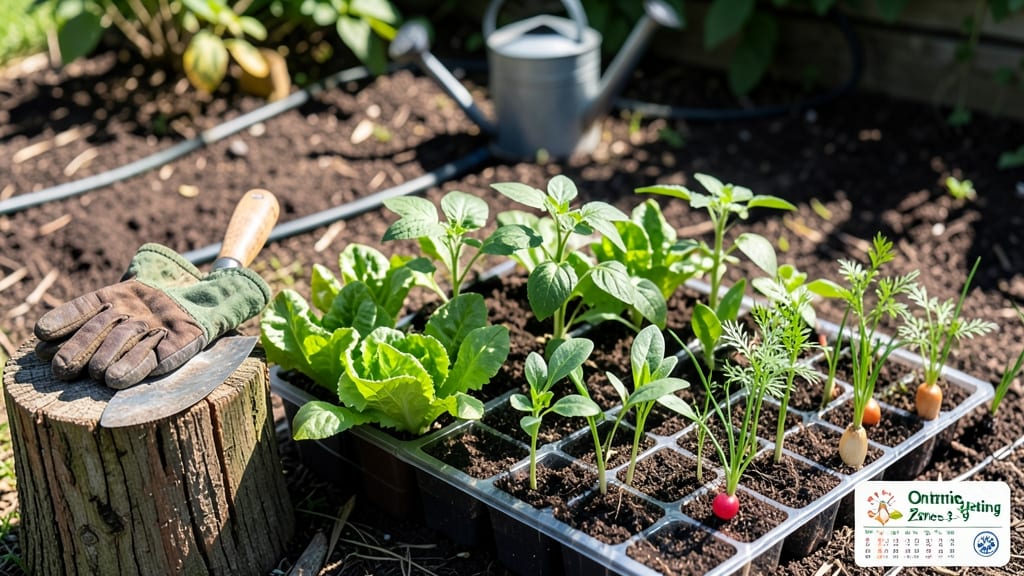
Planting a vegetable garden in Ontario depends on timing—get it right, and you’ll enjoy fresh tomatoes and crisp lettuce 🥬; get it wrong, and frost or heat will ruin your harvest.
Ontario gardeners know timing is everything—plant too early and risk frost damage, too late and miss the growing season. But with Hardiness Zones 5B and 6A, mastering the perfect planting schedule ensures a bountiful harvest of tomatoes, peppers, and more.
In this guide, I’ll break down the best months for each crop, how to adjust for early or late varieties, and the one rule that keeps your soil warm enough for warm-season plants.
You’ll learn exactly when to start seeds indoors, when to direct-sow, and how to stretch your growing season with row covers—so you can enjoy homegrown veggies from spring to fall.
Ontario planting deadlines by crop: Hardiness Zones 5B & 6A schedule
Timing your vegetable garden in Ontario's Zones 5B and 6A means balancing frost dates with soil warmth. The last spring frost typically hits mid-May in most regions, while the first fall frost arrives around mid-October.
This leaves roughly 150-200 frost-free days, so planning is key to maximizing your harvest.
Cool-season crops like spinach and peas thrive when soil temps reach 40°F (4°C), while warm-season favorites such as tomatoes and peppers need soil at at least 50°F (10°C).
Below, I’ve broken down the ideal planting windows for Ontario’s most popular vegetables, including when to start seeds indoors and when to transplant outdoors.
Pro Tip: Use a soil thermometer to check warmth before planting warm-season crops. If the ground feels cool, wait a few more days—your plants will thank you with stronger roots and better yields!
🌱
| Vegetable | Indoor Start (Weeks Before Last Frost) | Outdoor Planting Window | Soil Temp Requirement | Notes |
|---|---|---|---|---|
| Lettuce & Spinach | 4-6 weeks | Early April–Late May (spring) & Early August–Mid-Sept (fall) | 40°F (4°C) | Bolt-resistant varieties for summer |
| Peas | 2-3 weeks | Early April–Early June | 45°F (7°C) | Avoid planting after June 1 |
| Potatoes | N/A (direct sow) | Early April–Mid-May | 45°F (7°C) | Plant seed potatoes 4" deep |
| Tomatoes | 6-8 weeks | Late May–Early June (after last frost) | 50°F (10°C) + | Use row covers for early starts |
| Peppers | 8-10 weeks | Late May–Early June | 60°F (15°C) + | Slow to germinate; keep soil warm |
| Cucumbers | 3-4 weeks | Late May–Early June | 55°F (13°C) + | Trellis for better air flow |
| Beets | N/A (direct sow) | Early April–Late July | 50°F (10°C) + | Thin seedlings to 3" apart |
| Kale | N/A (direct sow) | Early April–Mid-August |
How to adjust planting times for early vs late varieties in OntarioOntario’s short growing season demands strategic planning when choosing between early and late-maturing varieties. Fast-maturing crops like bush beans or radishes thrive when planted early, while slower growers like tomatoes or peppers need a longer season. The key is matching your crop’s days to maturity with Ontario’s 150-200 frost-free days. For example, a 50-day tomato variety planted in late May might just make it to harvest, while a 90-day variety would need a head start indoors or season extension. Understanding these timelines helps avoid disappointment and maximizes your harvest potential. 1
Choose fast-maturing varieties (e.g., 45-60 days) for early spring or late summer plantings to ensure harvest before frost. Ideal for leafy greens, radishes, and bush beans.
2
Use row covers or cold frames to extend the season by 2-4 weeks for slower varieties like cabbage or broccoli. Protects against late spring or early fall frosts.
3
Start warm-season crops indoors (e.g., tomatoes, peppers) 6-8 weeks before last frost. Transplant after soil reaches 50°F for best growth.
4
Plan succession plantings for crops like lettuce or carrots every 2-3 weeks to stagger harvests and avoid gluts. Ideal for Ontario’s short season.
5
Monitor frost dates and adjust planting windows. In Zone 5B, aim for late May for warm-season crops; in Zone 6A, you can push to early June.
My favorite trick for Ontario gardeners is pairing early varieties with late-season extensions. For instance, plant early peas in April and late tomatoes under row covers in August. This doubles your harvest window without extra space. Don’t forget to check seed packets for days to maturity labels—this is your golden rule. A 60-day variety planted in early May will be ready by early July, while the same variety planted in late June might bolt before frost. Timing is everything! For slow growers like squash or cucumbers, consider a greenhouse or hoop tunnel to add 4-6 extra weeks of warmth. Even a simple clear plastic cover can make the difference between a failed crop and a bountiful one. Experiment with fall plantings too! Many crops like kale or spinach actually sweeten after a light frost. Plant them in early August for a harvest in September or October—just before the first frost hits. |