
Planting
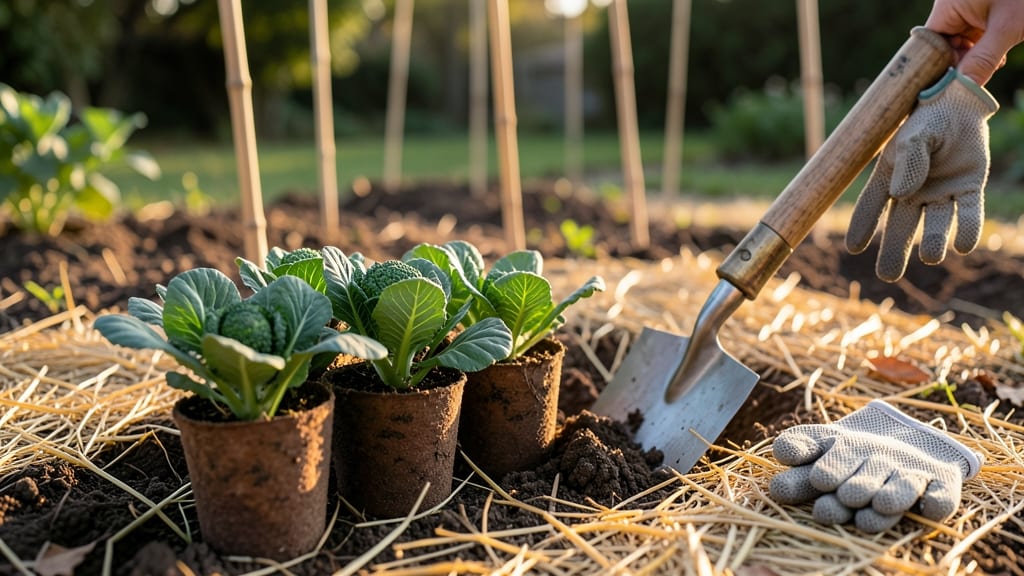
Planting a fall garden in Missouri means timing your crops between mid-August and early September to beat frost and maximize your harvest before winter.
Missouri’s unpredictable fall weather can make or break your harvest—plant too early, and frost ruins your crops; too late, and you miss the growing window. Timing your 🌱 fall garden correctly means more yield, less stress, and a bountiful table before winter sets in.
This isn’t just about avoiding frost—it’s about leveraging Missouri’s 5b-6a climate to grow hardy crops like kale, spinach, and radishes that thrive in cooler weather. If you’ve ever watched your seedlings wilt under an early frost or struggled with slow growth, you know how critical the right timing is.
In this guide, I’ll break down the exact planting windows for your region, frost-proofing tricks to extend your season, and the best crops for a Missouri fall garden—so you can enjoy fresh harvests well into December.
Missouri’s fall planting heat zones: when to start based on your location
Missouri’s USDA heat zones (5a-7b) create dramatic differences in fall planting success. Northern areas like Kansas City (Zone 6a) face earlier frosts than St. Louis (Zone 6b), while Columbia (Zone 6a) sits right in the middle.
Understanding your zone means planting cool-season crops at the perfect time—too early, and frost zaps your seedlings; too late, and you miss the growing window.
Historical frost data shows average first frost dates ranging from October 10 in northern Missouri to October 25 in southern regions. For a reliable harvest, aim to plant 4-6 weeks before your expected frost date.
This gives most leafy greens and root vegetables enough time to mature before winter sets in.
Here’s how to use your heat zone to time your fall garden like a pro:
| Location & Zone | Avg. First Frost | Best Planting Window | Top Crops for Zone |
|---|---|---|---|
| Northern MO (Kansas City, Zone 6a) | October 10 | August 15 - September 15 | Broccoli, Kale, Spinach, Radishes |
| Central MO (Columbia, Zone 6a) | October 15 | August 20 - September 20 | Lettuce, Swiss Chard, Carrots, Beets |
| Southern MO (St. Louis, Zone 6b) | October 25 | August 25 - October 1 | Brussels Sprouts, Turnips, Garlic, Arugula |
| Southwest MO (Springfield, Zone 7a) | November 5 | September 1 - October 10 | Cabbage, Collards, Peas, Fava Beans |
*Based on 30-year averages from NOAA climate data
In Zone 6a (like Kansas City or Columbia), start broccoli and kale seeds indoors by mid-August for transplants ready by early September. For direct-sown crops like spinach or radishes, sow seeds 2-3 weeks before your target planting window—this gives them a head start in cooler soil.
Southern Missouri’s Zone 6b and 7a regions enjoy a longer growing season. Here, you can push your fall planting later—even Brussels sprouts, which need 90+ days to mature, can thrive if planted by early September. Use row covers to extend harvests into November for extra protection.
Pro tip: Check your local frost dates using the Missouri Climate Center’s frost map (available online) for hyper-local adjustments. Microclimates near lakes or urban areas can delay frost by 1-2 weeks, giving you extra time to plant.
For slow-growing crops like Brussels sprouts or cabbage, start with transplants instead of seeds to ensure they’re big enough to harvest before frost. Fast growers like radishes or lettuce can handle later plantings—sow them 2-3 weeks before your frost date for a quick harvest.
Missouri’s fall weather can be unpredictable, so always have row covers or cold frames on hand. Even a light frost won’t kill hardy greens like kale or spinach, but a hard freeze will.
Plan for succession planting—sow small batches every 2 weeks to stagger harvests and avoid losing everything at once.
Remember: Soil temperature matters. Cool-season crops prefer soil temps between 40°F and 70°F. Use a soil thermometer to check before planting—if it’s below 50°F, wait a few days or use black plastic mulch to warm the soil faster.
By aligning your planting schedule with your heat zone, you’ll maximize your fall harvest and enjoy fresh homegrown greens well into winter. Happy planting! 🌱
Frost-proofing your fall garden: 5 tricks to extend the growing season
Missouri’s fall frost can arrive earlier than expected, but with the right strategies, you can protect your garden and keep harvesting well into winter. Cold-hardy varieties and smart planting techniques are your best allies against unpredictable frost dates.
I’ve tested these methods in my own garden—some work better than others, but all can buy you extra weeks of harvest time.
One of the easiest ways to extend your season is by planting cold-tolerant crops like kale, spinach, and radishes. These thrive in cooler temperatures and can handle light frosts without damage.
Pair them with row covers or low tunnels for extra protection, and you’ll be harvesting well after your neighbors have given up.
5 Proven Tricks to Beat Missouri Frost
-
1. Use Row Covers
Lightweight fabric covers raise soil temps by 5-8°F. Drape them over seedlings after sunset to trap heat. -
2. Plant Cold-Hardy Varieties
Choose ‘Winterbor’ kale or ‘Tetra’ kohlrabi—both survive -15°F with minimal protection. -
3. Succession Plant Every 2 Weeks
Stagger plantings of lettuce and radishes to ensure a continuous harvest before frost hits. -
4. Warm Soil with Black Plastic
Lay black landscape fabric over beds 2 weeks before planting to raise soil temps by 10°F. -
5. Mulch with Straw
Apply 4-6 inches of straw around plants to insulate roots and prevent soil heaving during freeze-thaw cycles.
For my St. Louis garden, I’ve found that combining row covers with black plastic mulch gives the best results. The plastic warms the soil early, while the covers protect tender seedlings from sudden temperature drops. Start with spinach and peas—they’re fast-growing and perfect for late-season plantings.
Don’t forget about microclimates! South-facing slopes and urban heat islands stay warmer longer. If you have a sunny wall or raised bed, plant your most delicate crops there for an extra 2-3 weeks of growth. I’ve even kept garlic growing through December in my raised beds.
Timing is everything—plant your fall crops 4-6 weeks before your average first frost date. Check Missouri’s USDA Zone 5b-6a guidelines, but adjust for your local conditions. For example, Columbia’s frost date is usually October 15, while Kansas City’s can be as early as October 5.
With these tricks, you’ll turn Missouri’s early frosts into a harvest extension instead of a season-ender. Start small, test what works in your yard, and soon you’ll be the neighborhood expert on frost-proof gardening! 🌱