
Planting
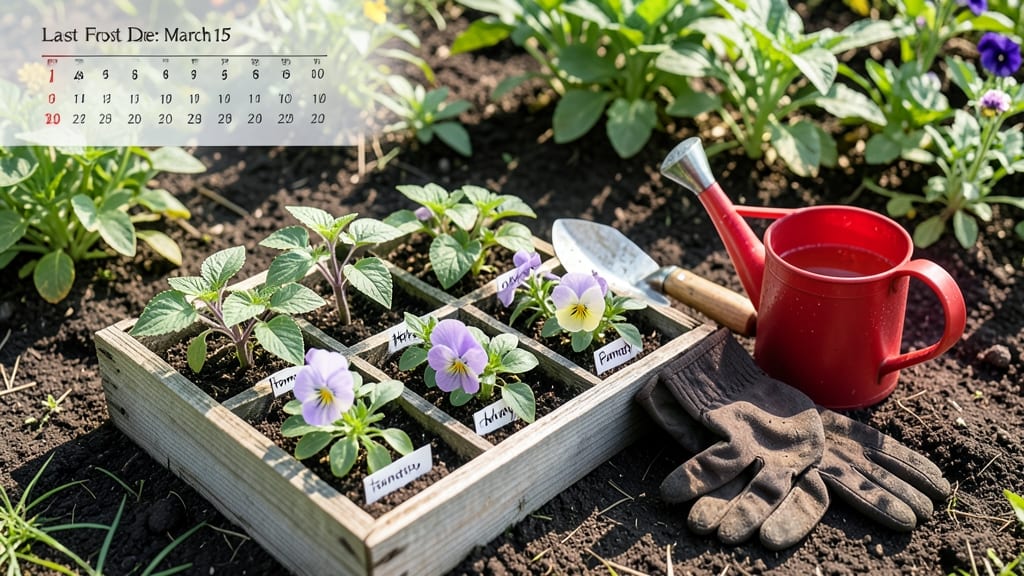
To plant a garden in Alabama at the right time means catching the 210-240 frost-free days your crops need to thrive — and missing that window can turn your green thumb into a wilted one.
Alabama’s warm climate and long growing season make it a gardener’s paradise—but planting at the wrong time can mean wilted dreams instead of bumper crops. Whether you’re sowing tomatoes in March or squash in September, timing is everything.
One late frost or early heatwave can derail even the most careful plan.
North Alabama’s last frost often lingers until mid-March, while South Alabama gardeners can start as early as late February. That’s why knowing your USDA zone (7a-8b) and regional frost dates is the key to avoiding stunted plants and empty harvests.
Below, I break down the exact planting windows for Alabama’s top crops, how to stretch your season with row covers, and why succession planting can double your yields—no matter where you garden in the state.
Alabama’s frost-free dates by region: when to start planting vegetables
Alabama’s varied climate means your planting schedule should depend on whether you garden in North Alabama (USDA Zones 6b-7a), Central Alabama (Zone 7b), or South Alabama (Zones 8a-8b).
The last average frost date ranges from February 15 in South Alabama to March 15 in North Alabama, while the first frost arrives as early as November 15 in the mountains or as late as December 1 in the south.
Understanding these dates helps you avoid frost damage to tender seedlings.
For cool-season crops like lettuce, spinach, and broccoli, start seeds indoors 6-8 weeks before your last frost date or sow directly 2-4 weeks before. Heat-tolerant crops such as tomatoes, peppers, and okra can wait until after your last frost, but early starts indoors give them a head start.
Southern gardeners can even plant some crops like sweet potatoes and southern peas as early as February.
Here’s how to use Alabama’s frost-free dates for your planting schedule:
In North Alabama, where frosts linger longer, focus on early spring crops like peas and radishes in March, followed by tomatoes and peppers in late April. For fall gardens, start seeds indoors in July for a September transplant.
Central Alabama gardeners enjoy a longer window, allowing them to plant warm-season crops like okra and sweet potatoes as early as February and extend fall planting into October.
Southern Alabama’s earlier last frost dates let you plant warm-season crops like cucumbers and eggplants in February, but be cautious of late frosts in March. For fall, Southern gardeners can sow cool-season crops like kale and collards as late as September.
Always check your local Alabama Cooperative Extension Service for year-specific updates, as weather patterns can shift.
Adjust your planting schedule based on microclimates—valleys may frost later than hilltops, and urban areas can be 5-10°F warmer than rural zones.
Use row covers or cold frames to extend your season in cooler regions, or opt for heat-tolerant varieties like ‘Celebrity’ tomatoes or ‘Jalapeño M’ peppers in hotter areas. Planning ahead ensures your garden thrives year-round!
Pro tip: Mark your calendar with 30 days after your last frost for planting warm-season crops—this gives seedlings time to harden off before summer heat arrives. For cool-season crops, aim for 60 days before your first frost to ensure a full harvest before winter sets in.
Best planting schedule for Alabama crops: month-by-month guide
Alabama’s extended growing season lets you plant almost year-round, but timing matters—especially for heat-sensitive crops like lettuce or frost-tender tomatoes. The key is working with frost-free dates and crop maturity.
Warm-season plants need 30 days after last frost to establish roots, while cool-season crops benefit from 60 days of prep before transplanting. Let’s break it down month by month to maximize your harvest.
Start with cool-season crops like spinach and kale in early spring (February–March) for North Alabama, or January–February in South Alabama. These hardy greens tolerate light frosts and thrive in 50–65°F soil. By late March, shift to warm-season transplants like peppers and eggplants, which need 70°F+ soil to germinate.
Succession planting every 2–3 weeks ensures a steady supply of beans and cucumbers all summer.
- February–March: Direct-sow cool-season crops (lettuce, peas, radishes) in North AL; start indoor seedlings for March transplanting. South AL can plant spinach and carrots earlier.
- April: Transplant tomatoes, peppers, and cabbage after last frost (use row covers if frost lingers). Direct-sow beans, squash, and corn.
- May–June: Plant heat-tolerant crops like okra, sweet potatoes, and melons. Succession-sow green beans every 2 weeks for continuous harvests.
- July–August: Focus on fall crops: Direct-sow broccoli, cauliflower, and kale in late July for September harvests. Start indoor transplants of cool-season herbs like parsley.
- September–October: Plant garlic and onions for spring harvests. Transplant cabbage and brussels sprouts by early October. Avoid planting warm-season crops after first frost (mid-November).
- November–January: Mulch perennials and asparagus. Plant cover crops (clover, rye) to protect soil. South AL can still grow spinach and collards with frost cloth.
Adjust for microclimates—valleys stay cooler longer, while urban areas can be 5–10°F warmer than rural zones. Use shade cloth for summer squash if temps exceed 90°F, and row covers to extend fall harvests.
For example, collard greens in North Alabama can handle light frosts, while tomatoes in South Alabama may need afternoon shade in July to prevent sunscald.
Pro tip: Mark your last frost date on a calendar and count backward using each crop’s days to maturity. For instance, a 60-day tomato needs to be transplanted by June 15 in North Alabama (last frost ~March 15) to harvest by August 15.
This method works for peppers, eggplants, and even squash.
Don’t forget succession planting—it’s how I double my green bean and lettuce yields. Sow a new batch every 2 weeks from April through August, and again in September for fall harvests. This keeps pests and diseases in check while ensuring a continuous supply of fresh produce.
Alabama’s climate rewards patient gardeners. By following this schedule, you’ll avoid the heartbreak of bolting lettuce or blossom-end rot in tomatoes. Start small, keep notes, and adjust each year based on your local frost dates and soil conditions. Happy planting! 🌱