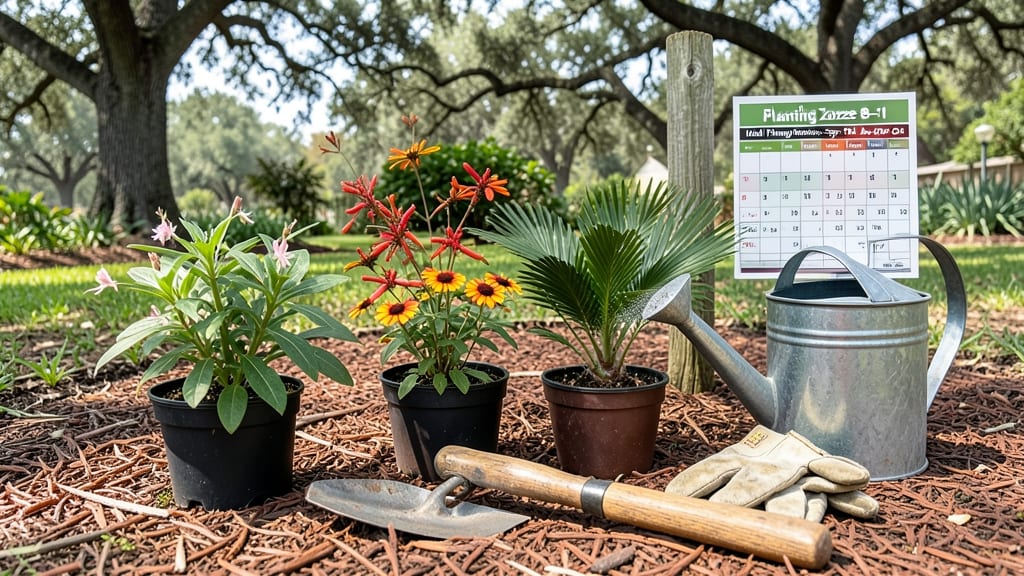
To plant a garden in Florida, timing is everything—especially when you want to avoid hurricanes, humidity struggles, and missed harvests.
Florida’s long growing season means gardeners can plant year-round, but getting the deadlines wrong can turn a thriving plot into a soggy mess. Whether you’re growing heat-loving okra or frost-tender broccoli, the key is knowing your zone’s frost-free dates and adjusting for Florida’s microclimates.
North Florida’s shorter winters demand earlier starts, while South Florida’s year-round warmth lets you grow almost anything—if you time it right. Below, I break down the exact planting windows for cool-season and warm-season crops, plus how to prep your soil for Florida’s humid subtropical climate.
You’ll learn when to start seeds, which crops thrive in each season, and how to protect your garden from Florida’s biggest timing traps—like planting too early for summer’s heat or too late for fall’s first frost.
🌱
When to Plant General Florida Garden Florida Garden
Jan
🌱
Feb
🌱
Mar
🌱
Apr
🌱
May
🌱
Jun
🌱
Jul
🌱
Aug
🌱
Sep
🌱
Oct
🌱
Nov
🌱
Dec
🌱
Florida planting zones: when to start seeds and transplants by month
Florida’s 11 USDA planting zones create a unique gardening puzzle—where North Florida (Zone 8a) gets light frosts while South Florida (Zone 11) enjoys year-round warmth. This means your planting timeline depends heavily on your exact location, with hurricane season (June-November) adding another layer of complexity.
Unlike northern states, Florida gardeners must balance soil temperature (ideal germination range: 60-85°F) with rainfall patterns and humidity risks like fungal diseases.
For example, in Zone 9a (Central Florida), you can plant warm-season crops like tomatoes as early as February 15, while Zone 8a (North Florida) gardeners should wait until March 1 to avoid late frosts.
Meanwhile, South Florida (Zones 10b-11) offers three growing seasons—spring, summer, and fall—with winter as a slower but productive period for cool-season greens. The key is understanding your last frost date (if applicable) and soil warming trends.
Below is your month-by-month planting guide, tailored to Florida’s zones. Use this to time seed starting indoors, transplanting seedlings, and direct sowing for maximum success. Remember: Hurricane season means avoiding long-season crops like cabbage (90+ days) in late summer plantings—opt for fast-growing greens (30-45 days) instead.
| Zone |
Last Frost Date |
Best Months for Cool-Season Crops |
Best Months for Warm-Season Crops |
Soil Temp for Germination (°F) |
Hurricane Risk Window |
| 8a (North FL) |
Jan 15 |
Feb-Mar, Sep-Oct |
Apr-May, Jul-Aug |
60-70°F (cool-season), 75-85°F (warm-season) |
Jun-Nov (Peak: Sep-Oct) |
| 8b (Panhandle) |
Jan 30 |
Feb-Apr, Sep-Nov |
Apr-Jun, Aug-Sep |
60-75°F (cool-season), 75-85°F (warm-season) |
Jun-Nov (Peak: Sep-Oct) |
| 9a (Central FL) |
None (light frosts rare) |
Jan-Feb, Sep-Dec |
Feb-Apr, Jun-Aug |
65-75°F (cool-season), 80-85°F (warm-season) |
Jun-Nov (Peak: Aug-Oct) |
| 9b (Central FL) |
None |
Year-round (light crops) |
Feb-May, Jul-Oct |
65-80°F (year-round) |
Jun-Nov (Peak: Sep-Oct) |
| 10a (South FL) |
None |
Year-round (shade crops) |
Year-round (with shade) |
70-85°F (year-round) |
Jun-Nov (Peak: Sep-Oct) |
| 10b-11 (South FL) |
None |
Best Florida crops to plant by season: cool vs. warm-season vegetables
Florida’s unique climate lets gardeners grow vegetables year-round, but the key is matching crops to the right season. Cool-season vegetables thrive in Florida’s mild winters, while warm-season crops dominate the long, hot summers. Understanding these differences ensures a steady harvest without struggling through Florida’s humidity or heat.
In North Florida, where winters can dip below 40°F, cool-season crops like broccoli and peas shine from October to March. Meanwhile, South Florida gardeners enjoy nearly year-round growing, with warm-season staples like okra and sweet potatoes thriving from April to October.
Let’s break down the best crops for each season and how to time your plantings for success.
1
Cool-Season Champions (Oct-Mar)
Broccoli, Kale, Peas, Lettuce, Collard Greens
2
Warm-Season Stars (Apr-Oct)
Okra, Sweet Potatoes, Tomatoes, Peppers, Eggplant
3
North FL Favorites
Collard Greens, Turnips, Mustard Greens (thrive in cooler temps)
4
South FL Year-Round Gems
Tomatoes, Peppers, Green Beans (grow well in heat)
5
Transition Tips
Plant warm-season crops after March 15 (avoid frost risk). Start cool-season crops in August-September for fall harvests.
For cool-season vegetables, focus on planting between August and October to establish roots before winter. Broccoli and kale love Florida’s cooler months, while peas and lettuce grow quickly in the mild temperatures.
In North Florida, collard greens become a staple—hardy enough to withstand light frosts. Use row covers if temperatures drop below 30°F to protect tender crops.
When summer arrives, shift to heat-tolerant warm-season crops. Okra and sweet potatoes thrive in Florida’s humidity and heat, while tomatoes and peppers produce abundantly with proper mulching and shade cloth during peak afternoons. In South Florida, you can even grow year-round tomatoes with staggered plantings every 2-3 weeks.
Pro tip: Use succession planting to extend harvests. For example, sow bush beans every 2 weeks from April to July for continuous yields. And always check soil moisture—Florida’s heat can dry out soil faster than you think, especially for shallow-rooted crops like lettuce and spinach.
Don’t forget to rotate crops annually to prevent soil-borne diseases. For instance, follow tomatoes (heavy feeders) with peas (nitrogen-fixers) to improve soil health. With the right timing and crop selection, your Florida garden can provide fresh produce nearly year-round—just adjust for your specific microclimate! 🌱
★★★★★4.8(7 reviews)
|