
Planting
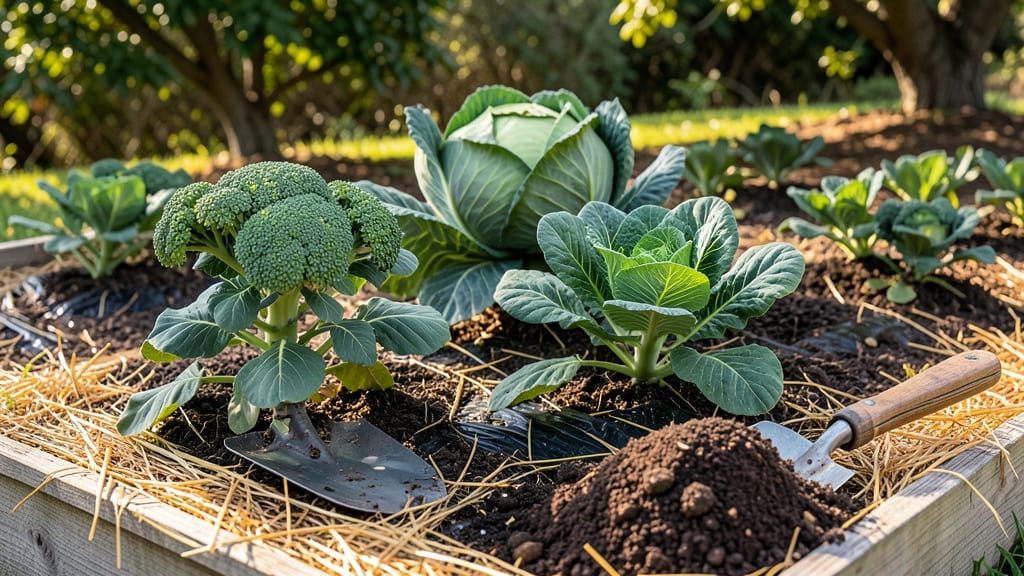
Planting your fall garden in Florida between August and October lets you beat the heat and enjoy fresh 🥬 harvests before winter—if you time it right.
Here’s the catch: Florida’s zones vary wildly—North Florida’s early frost can wipe out crops planted too late, while South Florida’s mild winters let you push harvests into December.
Get the dates wrong, and you’ll either battle pests in a stunted garden or miss out on crisp greens when everyone else is celebrating.
This guide breaks down the exact planting windows for your zone, plus the top 10 crops that thrive in Florida’s fall, so you can avoid the two biggest mistakes: planting too early (pests take over) or too late (harvests get cut short by cold).
You’ll also learn how to stretch your season with mulch, row covers, and succession planting—so your garden stays productive even when the first frost warnings pop up (yes, they happen in Florida too).
Florida fall planting calendar by hardiness zone: exact dates to avoid frost
Florida’s fall gardening season is your golden opportunity to grow crisp leafy greens and hearty root vegetables before winter sets in. Unlike northern states, Florida’s hardiness zones 3A–9B offer extended growing windows—but timing is everything.
Plant too early, and you’ll battle pests like aphids; wait too late, and you might miss the cool-season harvest before temperatures dip. The key? Knowing your exact frost risk dates by zone.
Most of Florida avoids frost, but North Florida (Zones 7B–8B) faces occasional light freezes in December, while South Florida (Zones 9A–10B) can plant year-round. Below, I’ve broken down the ideal planting windows for cool-season crops like broccoli, lettuce, and kale, plus critical frost warnings to protect your harvest.
Use this as your fall planting checklist to maximize yields.
| Zone | First Frost Risk | Ideal Planting Window | Cool-Season Crops | Soil Temp Goal (°F) |
|---|---|---|---|---|
| 3A–4A (North FL) | Early Dec | Aug 15–Sep 15 | Broccoli, Kale, Spinach | 60–70°F |
| 5A–6A (Panhandle) | Mid-Nov | Aug 1–Sep 30 | Lettuce, Radishes, Carrots | 65–75°F |
| 7A–7B (Central FL) | Late Dec | Jul 15–Oct 15 | Collards, Peas, Swiss Chard | 70–80°F |
| 8A–8B (North-Central FL) | Jan 10 | Jul 1–Oct 1 | Cabbage, Turnips, Beets | 68–78°F |
| 9A–9B (South FL) | None | Jun 1–Nov 15 | All Cool-Season Crops | 75–85°F |
| 10A–10B (Key West) | None | Year-Round | Any Frost-Tolerant Crop | 80–90°F |
If you’re in North Florida (Zones 3A–8A), your last frost date is critical—plant broccoli and cabbage by September 15 to harvest before
Best fall vegetables for Florida’s climate and how long before frost they need
Florida’s extended growing season means you can enjoy fresh fall vegetables well into winter—if you plant them at the right time. Unlike northern states, most of Florida rarely sees frost, but North Florida (Zones 8a-9a) can experience light chills in December.
The key is choosing cold-tolerant crops and timing your plantings so they mature before any potential frost.
For South Florida (Zones 10a-11), you can plant almost year-round, but focusing on heat-sensitive varieties like spinach and peas in late summer ensures they thrive as temperatures drop.
In North Florida, aim to plant 6-8 weeks before your average first frost date—typically mid-August to early September—to avoid bolting or stunted growth.
Here’s my ranked list of the top 10 frost-tolerant fall vegetables for Florida, organized by days to harvest and soil temperature needs. I’ve included heat-sensitive picks (like lettuce) alongside cold-hardy options (like collards) to give you flexibility based on your zone.
For heat-sensitive crops like spinach and lettuce, start seeds indoors in July or buy transplants in early August to give them time to establish before temperatures drop. Cold-hardy greens like collards and kale, on the other hand, can handle Florida’s mild winters and even