
Planting
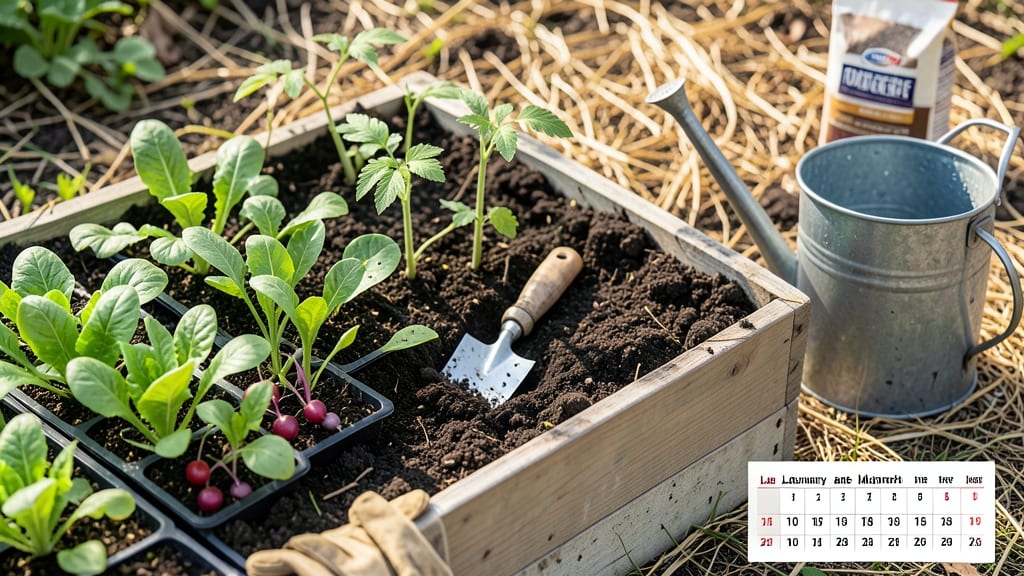
Planting your garden in Georgia at the right time means the difference between a bountiful harvest and wasted effort — and the exact dates depend on your region’s last frost.
Georgia’s diverse climate—from coastal humidity to mountain chill—means planting your garden at the wrong time can spell disaster for your crops. But knowing the exact frost-free dates for your region ensures you start seeds and transplant plants at the perfect moment, maximizing yields and avoiding costly mistakes.
In USDA Zones 7a-8b, cool-season crops like lettuce and broccoli belong in the ground 4-6 weeks before your last frost, while tomatoes and peppers need to wait until 2-3 weeks after.
Coastal areas like Savannah can start earlier, but the mountains near Atlanta may need to wait until April.
Below, I break down the ideal planting windows for every Georgia region, plus how to adjust for microclimates, soil, and even urban heat islands. Ready to plan your most successful garden yet?
Georgia’s frost-free dates by region: when to plant for maximum yield
Georgia’s five distinct climate zones create wildly different planting windows—from the coastal humidity of Savannah to the cool mountain air of Blue Ridge. Getting these dates wrong can mean wilted seedlings or stunted harvests.
Whether you’re growing heat-loving tomatoes or cool-season broccoli, timing is everything. Let’s break down the last frost dates by region so you can plan your garden like a pro.
Most of Georgia falls within USDA Zones 7a-8b, but elevation and proximity to water create microclimates that shift planting windows by weeks or even months.
For example, North Georgia mountains (like Dahlonega) can have frost as late as May 15, while coastal Savannah might see its last frost by February 15. Understanding these differences ensures you’re not rushing warm-season crops into the ground too soon or missing the cool-season planting window entirely.
Here’s how to use this guide: First, identify your region’s last frost date from the table below. Then, adjust your planting schedule based on whether you’re growing cool-season crops (like lettuce or spinach) or warm-season crops (like peppers or okra).
Pro tip: Start seeds indoors 4-6 weeks before your last frost date for cool-season crops, and wait until 2-3 weeks after the last frost to plant warm-season crops outdoors.
| Region | Last Frost Date | First Frost Date | Cool-Season Planting Window | Warm-Season Planting Window |
|---|---|---|---|---|
| Coastal (Savannah, Brunswick) | Mid-February | Mid-November | October–February | March–April |
| Piedmont (Atlanta, Macon) | Mid-March | Late October | September–March | April–May |
| North Georgia Mountains (Dahlonega, Blue Ridge) | Mid-May | Early October | April–June | June–July |
| Valley (Rome, Columbus) | Late March | Mid-October | September–March | April–May |
| Southwest (Albany, Valdosta) | Early March | Late November | October–February | March–April |
*Dates are averages—always verify with your local Cooperative Extension office for precise timing.
For cool-season crops like lettuce, broccoli, and spinach, plant 4-6 weeks before your region’s last frost date. These plants thrive in cooler temperatures and can even tolerate light frosts.
In the Piedmont region, for example, you can start planting lettuce as early as September for a fall harvest or again in February for a spring crop. If you’re in the coastal zone, you’ve got a longer window—planting can start as early as October.
Warm-season crops—think tomatoes, peppers, and okra—need to wait until the soil is consistently warm, which typically means 2-3 weeks after your last frost date. In North Georgia, this might not happen until late May or June, while coastal gardeners can plant as early as March.
To test soil warmth, stick your finger 2 inches deep—if it feels warm (like a bath), it’s safe to plant. For extra protection, use row covers or black plastic mulch to warm the soil faster.
Don’t overlook fall planting, especially in Georgia’s milder coastal and Piedmont regions. You can often squeeze in a second crop of cool-season veggies like kale or radishes by planting in late summer (August).
In North Georgia, focus on warm-season crops like sweet potatoes or collard greens, which can handle the cooler fall temperatures. Always check your first frost date—in the mountains, frost can arrive as early as late September, while coastal areas might avoid frost until November.
One critical mistake Georgia gardeners make is planting warm-season crops too early, only to have a late frost kill their seedlings. To avoid this, use frost cloth or row covers for the first few weeks after transplanting.
For cool-season crops, bolting (premature flowering) is a common issue if planted too late in spring. If your lettuce or spinach starts
How to adjust planting times for Georgia’s microclimates and soil conditions
Georgia’s varied geography—from the coastal plains to the North Georgia mountains—creates unique growing conditions that demand flexibility in your planting schedule. Even within the same county, urban heat islands can push temperatures 5-10°F higher than rural areas, while higher elevations may experience later frost dates.
Adjusting your planting times based on these factors ensures your garden thrives year-round.
Soil drainage is another critical factor. Clay-heavy soils in the Piedmont region hold moisture longer, while sandy soils along the coast drain too quickly. Conduct a simple percolation test by digging a 12-inch hole, filling it with water, and timing how long it drains.
If water disappears in less than 30 minutes, you likely have fast-draining soil that needs organic matter like compost or peat moss.
- 1 Delay planting in urban areas by 1-2 weeks due to heat island effect—check pavement and building temperatures with a soil thermometer (ideal range: 60-70°F for germination).
- 2 Use row covers in North Georgia (USDA Zone 7a) to extend the growing season by 3-4 weeks—cover seedlings after last frost (typically mid-April) and remove before flowering to prevent heat stress.
- 3 Plant heat-tolerant varieties like Okra, Southern Peas, and Sweet Potatoes in coastal Georgia—these thrive in 90°F+ temperatures and high humidity, unlike traditional tomatoes or peppers.
- 4 Adjust for elevation: In Blue Ridge Mountains (Zone 7a), plant cool-season crops (kale, spinach) 2 weeks earlier than Piedmont regions—frost can linger until May 1 at higher altitudes.
- 5 Prepare for unpredictable spring rains by raising beds in low-lying areas—6-12 inches high improves drainage and reduces soil compaction from heavy rainfall, which can delay germination by 50%.
Cold frames are a game-changer for fall and winter planting. By placing a clear plastic or glass lid over a wooden frame, you can raise soil temperatures by 10-15°F, allowing you to plant spinach, lettuce, and radishes as early as October in most of Georgia.
Just ensure the frame has ventilation to prevent overheating during sunny days—open the lid on mild days (above 50°F) to regulate temperature.
For container gardening, timing shifts dramatically. Since pots heat up faster than soil, start warm-season crops (peppers, eggplants) indoors 8-10 weeks before last frost and move them outside only after nighttime temperatures stay above 55°F.
Use lightweight containers (like fabric grow bags) to prevent root zone overheating during Georgia’s summer heatwaves.
Finally, monitor local weather patterns beyond frost dates. Georgia’s spring rains can delay planting by 2-3 weeks, while summer droughts may require drip irrigation to keep seedlings alive.
By combining microclimate adjustments, soil prep, and season-extending tools, you’ll turn Georgia’s challenges into garden advantages—producing bigger yields and longer harvests than ever before. 🌱