
Planting
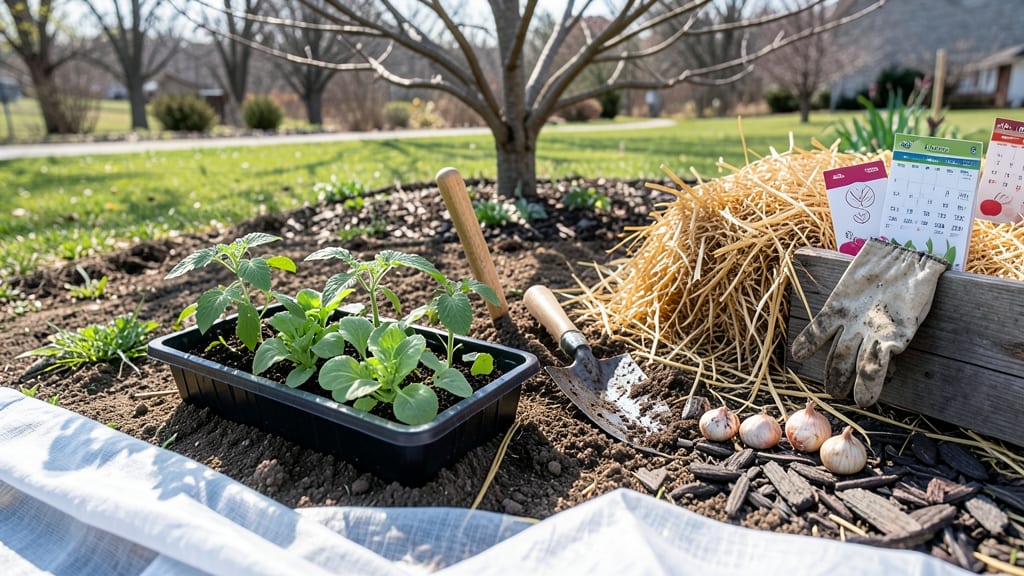
Planting a garden in Michigan means timing your 🌱 General Garden Plants to the 5b-6b zone’s last frost—usually mid-April to early May, depending on your region.
Michigan’s unpredictable climate can make planning your garden a tricky balancing act—plant too early and risk frost damage, too late and miss peak harvests. But with the right frost-free dates by zone and crop, you can maximize your garden’s success.
This guide breaks down when to start seeds indoors, when to transplant warm-season crops like tomatoes and peppers, and how to adjust for late frosts or early heatwaves. Whether you’re growing vegetables, flowers, or herbs, knowing the ideal planting window is the key to a thriving garden.
From soil temperature checks to microclimate adjustments, you’ll learn how to extend your growing season and avoid common mistakes that waste time and effort. Let’s get your Michigan garden off to the best start!
Michigan’s frost-free dates by hardiness Zone: when to start planting
Michigan’s USDA hardiness zones 4-6 create a diverse planting landscape, from the colder Upper Peninsula to the warmer southern regions. Knowing your frost-free dates is key to timing warm-season crops like tomatoes and peppers correctly.
These dates typically range from mid-April in southern Michigan to late May in the north, with first frosts arriving between mid-October and early November.
For warm-season vegetables, wait until after your last average frost date to plant directly in the ground. In Zone 6 (southern Michigan), this is often mid-May, while Zone 4 (Upper Peninsula) gardeners may need to wait until late May or early June.
Starting seeds indoors 6-8 weeks before the last frost can give you a head start on the growing season.
Cold-hardy crops like peas, lettuce, and spinach can often be planted 4-6 weeks before your last frost date. These cool-season vegetables thrive in 50-60°F soil temperatures, making early spring or even late summer/fall planting possible in many zones.
| USDA Zone | Avg Last Frost | Avg First Frost | Warm-Season Planting Window | Frost-Free Days |
|---|---|---|---|---|
| Zone 4 (UP, Northern MI) | May 15-31 | October 1-15 | Late May - Early June | 140-150 days |
| Zone 5 (Central MI) | April 20 - May 10 | October 15-31 | Mid-May - Early June | 150-160 days |
| Zone 6 (Southern MI) | April 10-20 | November 1-15 | Early May - Mid-June | 160-180 days |
*Dates vary yearly; check local weather for real-time updates
In Zone 6 (southern Michigan), you can often plant tomatoes, peppers, and squash as early as early May, while Zone 4 gardeners may need to wait until late May or early June.
For heat-loving crops, consider using row covers or cold frames to extend your growing season by 2-4 weeks in cooler zones.
For cool-season crops, start planting spinach, kale, and broccoli as early as March or April in Zone 6, while Zone 4 gardeners should wait until late April or early May. These cold-tolerant plants can often handle light frosts, making them ideal for early spring planting.
If you're unsure about your last frost date, use a soil thermometer to check when temperatures consistently stay above 50°F (10°C) for warm-season crops. For cool-season crops, aim for 40-50°F (4-10°C) soil temperatures. This simple tool can help you avoid frost damage while maximizing your garden's potential.
Extend your growing season with row covers or cold frames, which can protect tender plants from late frosts. These tools allow you to plant warm-season crops like tomatoes and peppers 2-4 weeks earlier than usual, giving you a longer harvest window.
Just be sure to remove covers when plants start flowering to allow for pollination.
For late-season planting, consider succession planting or fall crops like kale, carrots, and radishes. These cold-hardy vegetables can be planted 4-6 weeks before your first frost date, often as late as August or early September in most of Michigan.
This strategy ensures a continuous harvest throughout the growing season.
Always check local weather forecasts and historical data for your specific area, as microclimates can vary significantly even within short distances. Urban areas, for example, often experience warmer temperatures than rural regions, which can affect your planting timeline. Adjust your schedule accordingly to ensure your garden thrives.
By understanding your USDA zone and frost-free dates, you can create a successful planting schedule that maximizes your garden's potential. Whether you're growing warm-season tomatoes or cool-season spinach, timing is everything in Michigan's variable climate. 🌱
Best planting times for Michigan’s most popular vegetables and flowers
Michigan’s gardeners know timing is everything—especially when frost can turn a thriving crop into a sad, wilted memory overnight. Cold-hardy greens like spinach and kale love early spring, while heat-sensitive tomatoes need to wait until the soil warms.
Understanding these windows ensures your garden thrives from April showers to October harvests.
For Michigan’s USDA Zones 5b-6b, the average last frost date falls between mid-April and early May, but first frost can sneak in as early as mid-October.
Use these dates as your guide, but always check local forecasts—Mother Nature loves to surprise us! Succession planting is your secret weapon for continuous harvests.
🌱 Michigan Planting Timeline by Crop
- 1. Early Spring (March-April): Lettuce, peas, spinach, kale—plant these 4-6 weeks before last frost for a head start. Marigolds and pansies also thrive in cool soil.
- 2. Late Spring (May): Radishes, carrots, beets, and beans go in after soil reaches 50°F (10°C). Zinnias and sunflowers love this warmth too.
- 3. Early Summer (June): Tomatoes, peppers, and squash need warm soil (60°F+). Basil and nasturtiums also thrive in June’s heat.
- 4. Late Summer (July-August): Succession plant lettuce, spinach, and kale for fall harvests. Cosmos and black-eyed Susans add late-season color.
- 5. Fall (September): Broccoli, cabbage, and garlic can handle cooler temps. Chrysanthemums and asters bloom beautifully in autumn.
Cold-hardy crops like kale and peas can handle light frosts, while heat-lovers like tomatoes need consistent warmth. For succession planting, sow lettuce every 2 weeks from spring to fall—this keeps your salad bowl full without gaps!
Don’t forget perennials like lavender and coneflowers, which can be planted in spring or early fall for established roots before winter. Bulbs like tulips go in the ground by Thanksgiving for spring blooms.
Pro tip: Use row covers to extend early spring planting by 2-3 weeks or protect late-season crops from early frosts. Cold frames are another great tool for winter greens like spinach and arugula.
With these planting windows, your Michigan garden will be a bountiful success—no more guessing games! 🌿