
Planting
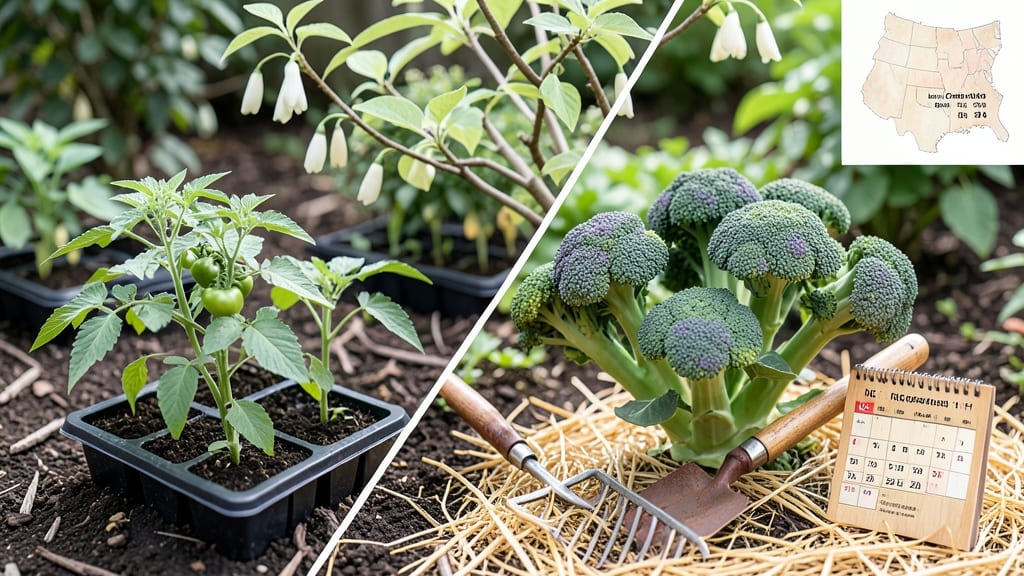
Planting your garden in North Carolina at the right time can mean the difference between a thriving harvest and a sad pile of wilted seedlings.
North Carolina’s diverse climate means your garden’s success depends on planting at the perfect time—but getting it wrong can mean wilted dreams before spring even arrives.
From the frost-free dates in the Coastal Plain to the later starts in the Mountains, every region has its own rhythm. Miss the window, and you risk late frosts or summer heat stressing your plants before they’ve had a chance to establish roots.
Here’s your county-by-county guide to frost-free planting dates, tailored for NC’s unique growing zones, so you can plant with confidence and avoid costly mistakes.
North Carolina’s frost-free dates by county: exact planting timelines (2024)
North Carolina’s frost-free dates vary dramatically from the Coastal Plain to the Mountain regions, making precise timing critical for your garden’s success.
In Wilmington, you might plant tomatoes by March 15, while in Asheville, wait until April 20—a 35-day difference that can mean the difference between a thriving harvest and a frozen disappointment.
Understanding these county-specific windows ensures you align your cool-season crops (like spinach) with early springs and warm-season crops (like peppers) with stable summer temperatures.
Most NC counties fall between USDA Zones 7a and 8b, but microclimates create exceptions. For example, Raleigh’s Piedmont region typically sees its last frost around March 25, while Outer Banks may already be frost-free by March 10.
Meanwhile, high-elevation areas like Boone often experience late frosts well into May. These variations aren’t just academic—they dictate whether your broccoli bolts or your okra thrives.
To simplify, I’ve organized planting windows into three broad categories: early spring (for cool-season crops), late spring/early summer (warm-season starts), and fall (second cool-season push).
For example, kale can often handle light frosts, so it’s safe to plant in February in Coastal NC, but wait until March 15 in the Mountains.
Conversely, squash and beans need warm soil, so coastal gardeners can direct-sow by April 1, while mountain gardeners should wait until May 10.
For cool-season crops like lettuce or carrots, aim to plant 4-6 weeks before your last frost. In Wilmington, that means starting seeds indoors by January 15, while Asheville gardeners should wait until February 20.
Use row covers to extend these windows by 2-3 weeks in cooler zones. Conversely, warm-season crops like tomatoes and sweet potatoes need soil temperatures above 60°F, so coastal gardeners can direct-sow by April 1, but mountain gardeners should wait until May 10.
Fall planting follows a similar logic but works backward from your first frost date.
For example, spinach and radishes can often tolerate light frosts, so Coastal NC gardeners can sow until October 15, while Mountain regions should finish by September 15. Broccoli and cabbage are more frost-sensitive, so plant them 6-8 weeks before your first frost—August 15 in the
How to adjust planting times for NC’s microclimates (Mountains, Piedmont, Coastal)
North Carolina’s dramatic elevation changes—from the Blue Ridge Mountains to the Coastal Plain—create wildly different planting windows. In Asheville (Zone 7a), you might start tomatoes on May 15th, while Wilmington (Zone 8b) gardeners can plant the same crop by April 1st.
These shifts aren’t just about dates; they’re about soil warmth, frost risk, and even hurricane season timing in coastal areas.
The Piedmont region acts as a middle ground, but even here, a 500-foot elevation gain can delay planting by 10-14 days. For example, Chapel Hill’s last frost averages March 20th, while Durham’s might be March 28th—just 8 miles apart!
Understanding these microclimates lets you push your growing season safely without risking frost damage or stunted growth.
- Mountains (Zone 6b-7a): Wait until May 1st for warm-season crops like peppers and eggplants—soil stays cold longer at 3,000+ ft elevation. Use row covers to extend early spring planting by 2-3 weeks.
- Piedmont (Zone 7a-7b): Start tomatoes and cucumbers April 15th-May 1st. Monitor soil temperature—aim for 60°F+ for seeds to germinate. False springs (like in 2023) can fool you—wait for consistent 50°F nights.
- Coastal Plain (Zone 8a-8b): Plant warm-season crops March 15th-April 1st and extend fall planting until October 15th thanks to the Bermuda High delaying frost. Watch for hurricane warnings after June 1st—secure lightweight plants.
- Soil Temperature Trick: Use a soil thermometer—warm-season crops need 70°F+ soil. In cool zones, black plastic mulch can warm soil by 5-10°F in 2 weeks.
- Local Weather Hack: Coastal areas benefit from the Bermuda High (June-Sept), which brings stable 80°F+ temps. Use this to push fall crops like sweet potatoes until October 1st.
One of my favorite soil temperature hacks is using clear plastic bottles filled with water and buried near seeds. The sun heats the water, which radiates warmth to the soil—perfect for Mountains gardeners with slow-warming beds.
I’ve seen this cut germination time by 5-7 days for peppers in Zone 7a. Pair this with straw mulch to retain moisture during Piedmont’s dry springs.
Don’t overlook fall planting adjustments. In the Coastal Plain, you can sow spinach and kale as late as September 15th, thanks to the Bermuda High’s delayed frost.
But in the Mountains, first frost arrives by October 1st, so shift to cold-hardy crops like broccoli by August 1st. Always check local almanac data—some years, like 2020, saw 30-day frost delays due to La Niña.
For container gardening, microclimates matter even more. A balcony in Raleigh (Zone 7b) might get full sun, while one in Asheville (Zone 7a) could be shaded by morning fog. Use self-watering pots to compensate for Coastal heat waves and Mountain night frosts.
I’ve grown cherry tomatoes in containers on both coasts—just adjust fertilizer schedules to match the shorter growing season in higher elevations.
Pro tip: Track your own data for 2-3 years. Note when azaleas bloom (a Piedmont sign of spring) or when coastal sea grapes fruit—these natural markers often beat almanac averages.
My Asheville garden thrives when I plant after the rhododendrons finish blooming, usually mid-May. Adapt these cues to your yard, and you’ll master NC’s microclimates like a pro. 🌱