
Planting
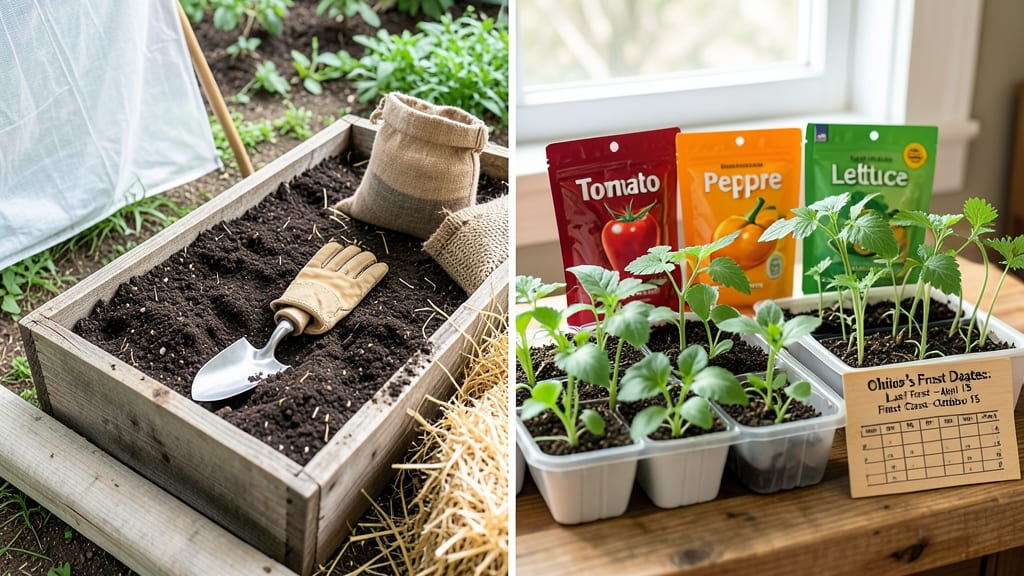
To plant a garden in Ohio, time your sowing 4-6 weeks before the last frost (around early April) for cool-season crops or 2-3 weeks after (mid-May) for warm-season varieties.
Ohio’s unpredictable spring weather can turn a gardener’s dreams into disappointment—unless you know the exact frost dates and planting windows for your specific zone. Get it wrong, and your seedlings could freeze; get it right, and you’ll enjoy a bountiful harvest all season long.
With USDA Zone 6a frost dates ranging from April 15 to October 20, Ohio gardeners have a 165-day growing window—but timing matters. Plant too early, and a late frost wipes out tender seedlings; too late, and warm-season crops like tomatoes won’t mature before fall.
Below, I break down the best months for planting in Ohio, from cool-season greens in early spring to late-summer squash, plus how to stretch your season with row covers and succession planting.
Ohio’s frost dates by USDA zone: when to plant cool vs warm season crops
Ohio spans four USDA hardiness zones: 5b in the north, 6a and 6b in central regions, and 7a in the southern tip. These zones dictate your last spring frost and first fall frost, which are critical for timing your cool-season and warm-season crops.
In zone 5b, for example, the average last frost arrives around May 1, while zone 7a gardeners can plant warm crops as early as April 15. Knowing these dates helps you avoid frost damage to tender seedlings.
Cool-season crops like spinach, peas, and lettuce thrive in Ohio’s spring and fall when temperatures hover between 40°F and 75°F. These plants can even handle light frosts, making them ideal for early spring sowing.
Warm-season crops, including tomatoes, peppers, and cucumbers, need soil temperatures above 60°F to germinate properly. Planting them too early can stunt growth or kill seedlings outright.
Here’s how Ohio’s zones break down with average frost dates and planting windows for both crop types:
| USDA Zone | Last Spring Frost | First Fall Frost | Cool-Season Planting Window | Warm-Season Planting Window | Example Crops |
|---|---|---|---|---|---|
| 5b (Northern Ohio) | May 1 | October 15 | March 15 – April 15 | May 15 – June 1 | Peas, Spinach, Kale, Broccoli |
| 6a (Central Ohio) | April 15 | October 20 | March 1 – April 1 | April 20 – May 15 | Lettuce, Radishes, Carrots, Tomatoes |
| 6b (Southern Central Ohio) | April 1 | October 25 | February 28 – March 31 | April 1 – April 15 | Peppers, Eggplants, Green Beans |
| 7a (Southern Ohio) | March 15 | November 1 | February 15 – March 15 | March 1 – March 31 | Okra, Sweet Potatoes, Basil |
For cool-season crops, start seeds indoors 4-6 weeks before your zone’s last frost date. For example, in zone 5b, this means sowing spinach or peas by March 15 to ensure they’re ready for transplanting by early May.
In warmer zones like 7a, you can plant directly into the garden as early as February 15 for a head start.
Warm-season crops require patience. Wait until the soil temperature reaches 60°F—typically 2-3 weeks after your last frost date—to plant tomatoes, peppers, or cucumbers. In zone 6a, this usually means waiting until April 20, while zone 7a gardeners can start as early as March 15.
Use row covers or cold frames to extend your warm-season growing window in cooler zones.
Ohio’s first fall frost signals the end of the growing season for most crops. Plan your fall planting by counting back 6-8 weeks from your zone’s first frost. For instance, in zone 5b, this means sowing spinach or kale by August 15 to harvest before frost hits in mid-October.
In zone 7a, you can push this to September 15 for a later harvest.
Pro tip: Use a soil thermometer to verify soil temperatures before planting warm-season crops. Cold soil can delay germination for weeks. Also, keep an eye on your local microclimate—south-facing beds warm up faster than shaded areas, which can create a 2-3 week difference in your planting window.
If you’re unsure about your exact zone, check the Ohio State University Extension’s interactive map or use the USDA Plant Hardiness Zone Map. These tools provide precise boundaries and help you tailor your planting schedule to your specific location within Ohio.
🌱
Best months to plant specific vegetables in Ohio: a month-by-month guide
Ohio’s diverse climate means northern and southern regions have slightly different planting windows. For example, Cincinnati (Zone 6b) can start earlier than Toledo (Zone 5b).
To succeed, focus on last frost dates (typically April 15 in the north, March 30 in the south) and first frost dates (around October 20 statewide).
Cool-season crops like lettuce and peas thrive in Ohio’s spring and fall, while warm-season crops such as tomatoes and squash need warmer soil after the last frost. Even herbs like basil must wait until temperatures stay above 50°F at night.
Pro Tip: Use row covers to extend early planting for cool-season crops or black plastic mulch to warm soil faster for warm-season crops. Always check soil temperature—it should be at least 60°F for tomatoes and peppers.
- March: Start indoor seeds for tomatoes, peppers, and herbs. Plant hardy greens like spinach and kale outdoors if soil is workable.
- April: Last frost risk! Transplant seedlings of broccoli, cabbage, and lettuce. Direct-sow radishes, peas, and carrots.
- May: Plant warm-season crops like beans, cucumbers, and squash after soil warms to 60°F+. Start fall crops like beets for late harvests.
- June: Succession plant lettuce, beans, and zucchini every 2 weeks for continuous harvests. Watch for pests like cucumber beetles.
- July-August: Plant cool-season crops for fall harvests, such as spinach, arugula, and radishes. Avoid planting warm-season crops too late.
- September: Last chance for fast-maturing crops like bush beans and turnips. Start garlic for next year’s harvest.
For herbs, basil and cilantro love Ohio’s summer heat, but parsley and chives prefer cooler months. Plant basil after May 15 to avoid frost damage, while parsley can handle fall planting until September 15.
Extend your harvest season by using row covers or cold frames to protect late-season crops like kale and carrots from early frost. Even hardy greens can survive light frost if covered, giving you fresh salad greens into November.
Remember: Soil preparation is key! Amend your garden beds in fall with compost and organic matter to ensure fertile soil for next year’s planting. Happy gardening! 🌱