
Planting
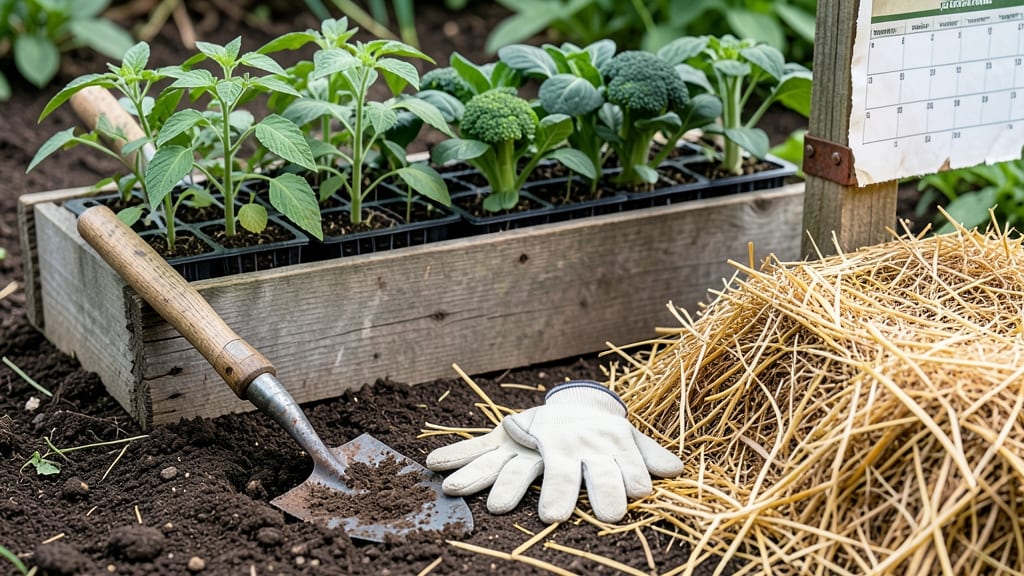
Planting your garden in Virginia at the right time means the difference between a bountiful harvest and wasted seeds—cool-season crops need to go in by early spring, while warm-season varieties wait until after the last frost.
Virginia’s mild winters and humid summers make timing your garden planting critical—get it wrong, and you risk frost damage or wasted effort. But with precise heat-zone 7a/7b deadlines, you can maximize yields and avoid common gardening pitfalls.
Whether you’re planting cool-season greens in February or warm-season tomatoes in May, knowing the last frost dates for your region is the key to success. Northern Virginia’s 6a zone has a later frost than the warmer 8a areas near the coast, so deadlines shift accordingly.
Below, I break down the exact planting windows for every major crop, frost protection tricks to push your season, and heat-tolerant varieties that thrive in Virginia’s summer heat.
Virginia heat-zone 7a/7b planting deadlines by season (avoid frost risk)
Timing your garden planting in Virginia’s heat-zones 7a/7b means the difference between thriving harvests and wasted seeds. Northern Virginia (like Alexandria) has later last-frost dates (April 15) than Southern Virginia (like Richmond, around March 20), so adjust your schedule accordingly.
Missing these deadlines risks frost damage or stunted growth from heat stress.
Cool-season crops like lettuce and spinach thrive when planted 4-6 weeks before last frost, while warm-season staples (tomatoes, peppers) need soil temps above 60°F.
Fall planting for broccoli or kale starts September 1 in most regions. Use these deadlines to align with Virginia’s 165-220 frost-free days.
Pro Tip: Southern Virginia can plant 2 weeks earlier than Northern regions. For example, cucumbers go in by April 1 in Richmond but wait until April 15 in Alexandria. Always check your local last-frost averages—they vary yearly.
| Season | Planting Window | Key Crops | Soil Temp | Deadline Notes |
|---|---|---|---|---|
| Early Spring | Feb 15 - Mar 15 | Spinach, Peas, Lettuce | 40-50°F | Northern VA: Wait until March 15 for frost safety. |
| Late Spring | Mar 20 - Apr 15 | Carrots, Radishes, Onions | 50-60°F | Southern VA: Start 2 weeks earlier than Northern VA. |
| Summer | Apr 15 - Jun 1 | Tomatoes, Peppers, Cucumbers | 60°F+ | Wait until soil warms—test with a thermometer. |
| Early Fall | Aug 1 - Sep 1 | Broccoli, Kale, Beets | 50-60°F | Plant 6-8 weeks before first frost (Nov 15). |
| Late Fall | Sep 15 - Oct 15 | Garlic, Onions, Cover Crops | 50°F+ | Northern VA: Stop by October 1 to avoid frost. |
For warm-season crops, the April 15 deadline is critical—planting tomatoes or peppers too early risks blossom-end rot from cool soil. Use black plastic mulch to warm soil faster if needed.
In Southern Virginia, you can push summer planting to June 15 for okra or sweet potatoes, which thrive in heat.
Fall planting is often overlooked but yields sweeter root crops. Carrots and beets sown by August 15 mature before frost, while spinach planted in September bolts later in spring. Always water deeply after planting to establish roots before cooler temps arrive.
Year-round vegetables like kale and collards tolerate light frosts, but avoid planting after October 1 in Northern Virginia. For perennials, divide asparagus or rhubarb in early spring (March) or fall (September) for best results. Mulch heavily after planting to protect roots.
Use row covers to extend spring planting by 2-3 weeks if frost threatens. For example, cabbage can go in March 1 under cover in Northern VA. Always check 7-day forecasts before planting near deadlines—unpredictable frosts happen even in Zone 7b.
Remember: Southern Virginia’s longer growing season lets you experiment with tropical crops like okra or eggplant planted as late as July 1. Northern regions should stick to heat-tolerant varieties of tomatoes (e.g., Celebrity) to avoid sunscald in summer’s 90°F+ heat.
Mark your calendar now: April 15 (last frost), September 1 (fall planting start), and November 15 (first frost) are your Virginia gardening bookends. With these deadlines, you’ll avoid frost risk and grow a bountiful, seasonal harvest every year. 🌱
How to extend Virginia’s garden season with frost protection techniques
Virginia’s USDA zones 7a/7b offer a longer growing season than many regions, but unexpected late spring frosts or early fall chills can still threaten tender plants. The key to pushing your planting deadlines safely lies in smart frost protection—whether you’re aiming for earlier spring starts or extended fall harvests.
These techniques let you plant 2-4 weeks outside the traditional windows without risking damage.
From cold frames that create microclimates to row covers that trap heat, each method has trade-offs. For example, black plastic mulch warms soil quickly but can overheat delicate seedlings, while cloche tunnels protect individual plants but require frequent monitoring.
Understanding these pros and cons helps you choose the right tools for your Virginia garden’s specific needs—whether you’re growing cool-season greens in March or tomatoes in October.
Frost Protection Methods: Pros & Cons
| Method | Pros | Cons |
|---|---|---|
| Cold Frames | Extends season by 4-6 weeks; reusable; protects from pests | Requires daily monitoring; can overheat; expensive upfront |
| Row Covers (Frost Blankets) | Lightweight; raises temps 5-8°F; easy to install | Limits sunlight (10-15% reduction); needs stakes; short-term use |
| Raised Beds | Warmer soil 2-3 weeks earlier; better drainage; reduces pests | Higher watering needs; costly materials; limited space |
| Black Plastic Mulch | Speeds soil warming by 10-15°F; suppresses weeds; affordable | Can overheat seedlings; not reusable; requires removal |
| Cloche Tunnels | Protects individual plants; portable; works for late fall | Labor-intensive; limited airflow risk; fragile in storms |
Tip: Combine methods for best results—e.g., use row covers over raised beds with black plastic mulch for early spring planting.
My favorite low-cost solution for Virginia gardeners is row covers paired with soil warming techniques. For example, lay down black plastic mulch in late February to warm the soil, then cover seedlings with frost blankets after sunset.
This combo lets me plant spinach and lettuce as early as mid-March in Northern Virginia—weeks before the traditional last-frost date.
For fall planting, I rely on cloche tunnels to protect basil and peppers through October. Place them over plants in the afternoon to avoid condensation buildup, and remove them during the day for sunlight.
This extends my harvest window by 3-4 weeks, giving me fresh tomatoes well into November in Southern Virginia’s zone 7b.
One critical mistake to avoid is over-relying on a single method. For instance, cold frames alone won’t save tender annuals during a hard freeze (below 25°F). Always pair protection with microclimate awareness—south-facing beds warm faster, while low-lying areas stay colder.
Use a soil thermometer to track temperatures and adjust your strategy accordingly.
Start small with one technique—like row covers for early spring greens—and expand as you gain confidence. With these tools, you’ll turn Virginia’s unpredictable frost dates into opportunities for longer harvests and bountiful yields. 🌱