
Planting
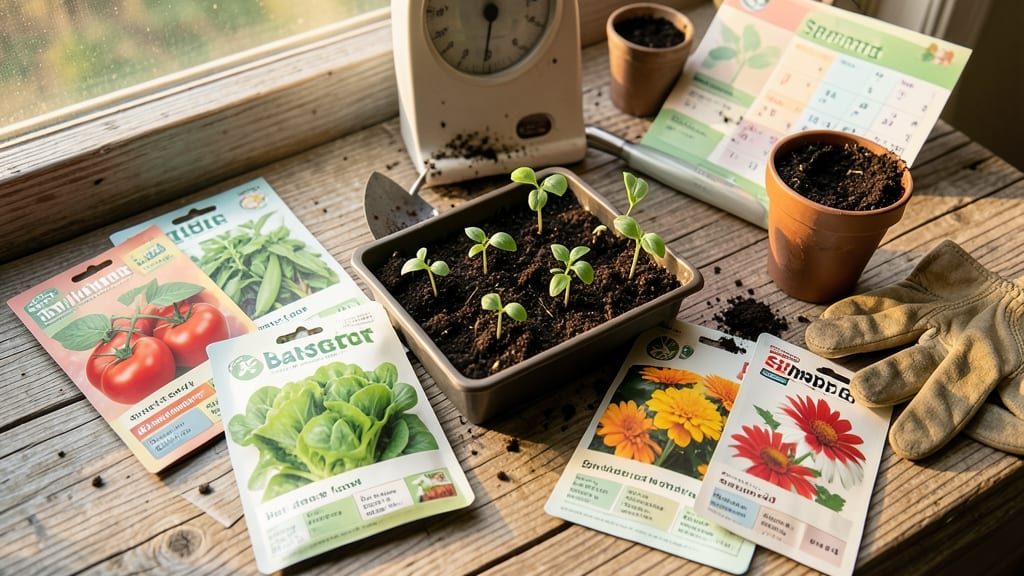
Planting seeds at the right time ensures your garden thrives instead of struggling — timing them too early or late can mean frost damage or wasted effort.
If you’ve ever watched seedlings wilt under a late frost or bolt into flower before producing harvests, you know how critical those planting windows really are. The difference between a bountiful harvest and a disappointing one often comes down to when you put those seeds in the ground.
For USDA Zone 6a, like much of the Midwest, the ideal window for most spring seeds opens after your last frost date—typically around mid-April—but the exact timing depends on whether your plants love cool weather (like peas or lettuce) or need warmth (like tomatoes or basil).
Below, I’ll break down the perfect planting schedule by seed type, regional adjustments, and the one mistake that ruins timing every year—so you can avoid it.
Frost-free planting dates by seed type: vegetables, herbs, and flowers
Getting the timing right for planting seeds is crucial—especially when balancing frost-sensitive crops with your local climate. The frost-free window varies dramatically across USDA zones, from Zone 3's short summers to Zone 10's extended growing seasons.
For example, gardeners in Zone 3 (Minnesota, Maine) might plant cool-season crops like peas as early as late April, while those in Zone 10 (Florida, Southern California) can sow warm-season tomatoes year-round with minimal frost risk.
Understanding these frost-free windows helps you avoid frost damage to tender seedlings and ensures your plants mature before fall frosts arrive. Below, I’ve broken down planting timelines for cool-season crops, warm-season crops, and flowers, along with heat-tolerant alternatives for gardeners in early or late zones.
| Plant Type | USDA Zones | Frost-Free Window | Heat-Tolerant Alternatives | Notes |
|---|---|---|---|---|
| Cool-Season Vegetables (Peas, Spinach, Lettuce) | 3-7 | 4-6 weeks before last frost (March-April) | 'Winter Density' Peas, 'Winterbor' Kale | Tolerates light frost; harvest before bolting. |
| Cool-Season Vegetables (Peas, Spinach, Lettuce) | 8-10 | Fall: August-September (avoid summer heat) | 'Arctic King' Carrots, 'Black Seeded Simpson' Lettuce | Use shade cloth in peak summer. |
| Warm-Season Vegetables (Tomatoes, Peppers, Cucumbers) | 3-5 | 2-3 weeks after last frost (May-June) | 'Early Girl' Tomatoes, 'Jalapeño' Peppers | Start indoors 6-8 weeks early. |
| Warm-Season Vegetables (Tomatoes, Peppers, Cucumbers) | 6-10 | March-April (year-round in Zone 10) | 'Solar Fire' Peppers, 'Celebrity' Tomatoes | Use mulch to retain soil moisture. |
| Flowers (Marigolds, Sunflowers, Zinnias) | All Zones | After last frost (April-June) | 'Heatwave' Zinnias, 'Moulin Rouge' Sunflowers | Direct sow after soil reaches 60°F. |
| Herbs (Basil, Cilantro, Dill) | 3-7 | Late April-June (basil hates frost) | 'Genovese' Basil, 'Slow Bolt' Cilantro | Basil bolts in heat; succession plant. |
For cool-season crops like spinach and peas, timing is critical—plant too early, and frost will kill seedlings; too late, and they’ll bolt or produce bitter leaves. In USDA Zones 3-5, aim to sow seeds 4-6 weeks before your last frost date.
For example, if your last frost is May 15, plant spinach by mid-April. In warmer zones (8-10), focus on fall planting to avoid summer heat stress.
Warm-season crops like tomatoes and peppers need soil temperatures above 60°F to germinate. In Zones 3-5, start seeds indoors 6-8 weeks before your last frost, then transplant after May 15. In Zones 6-10, you can direct-sow as early as March-April. Heat-tolerant varieties like 'Solar Fire' peppers thrive in Zones 8-10 and can handle 90°F+ temperatures without wilting.
Flowers like marigolds and sunflowers are more forgiving but still benefit from post-frost planting. In cool climates (Zones 3-6), wait until late May to avoid frost damage. In southern zones (7-10), you can plant marigolds year-round, though they’ll bloom most vigorously in spring and fall.
For herbs, basil is a warm-season staple—
How to adjust planting times for your climate Zone and microclimate
Your local climate zone and microclimate can shift ideal planting times by weeks—even months—from seed packet recommendations. Urban heat islands, coastal breezes, and high-altitude chills all demand adjustments.
For example, my Zone 6a garden in a city might need warm-season crops planted 2 weeks later than rural areas, while high-altitude gardens often start 4-6 weeks sooner to avoid late frosts.
Start by checking your last frost date (not the average) and compare it to seed packet guidelines. Many packets assume Zone 5-7 conditions, but coastal areas or high deserts may have wildly different soil temperatures.
For instance, tomato seeds should only go in after soil hits 60°F, but in my Zone 8 coastal microclimate, I plant them 3 weeks earlier than inland neighbors because ocean winds moderate temperatures.
- 🌡️ Test soil temperature with a soil thermometer—most seeds need 60-70°F for warm crops (tomatoes, peppers) and 40-50°F for cool crops (lettuce, peas).
- 🏙️ Urban gardeners: Use reflective mulch or black plastic to warm soil faster in heat-island zones.
- ⛰️ High-altitude areas: Plant 4-6 weeks earlier than zone averages—cooler nights delay growth.
- 🌊 Coastal regions: Extend seasons with windbreaks or cold frames—ocean breezes can lower temps by 5-10°F.
- 🪴 Container gardens: Soil warms 2-3°F faster than in-ground—plant 1-2 weeks earlier for warm crops.
- 🌱 Succession planting: Stagger seeds every 2 weeks for continuous harvests (e.g., radishes every 14 days).
- ⏰ Quick-check list: Verify your local frost dates (vs. zone averages) and adjust by ±1-3 weeks based on microclimate.
For containers, soil heats up faster than ground beds, so I plant warm-season crops like basil and cucumbers 1-2 weeks earlier. But watch for drying—containers need daily watering in hot microclimates.
In my Zone 6a high-altitude garden, I use row covers to protect early plantings from late spring frosts, which can hit even after the official last frost date.
Don’t rely solely on USDA zone maps—your microclimate might be Zone 5 in one corner of your yard and Zone 7 in another due to sun exposure or wind patterns.
I test soil temps for 3 days in my shady north side vs. my sunny south side—sometimes the difference is 10°F at the same time of year. Use a soil thermometer for 3 mornings to confirm readiness.
Extend your season with cold frames or low tunnels—they can add 4-6 weeks of growing time in spring and fall. For example, I plant spinach in early September under a cold frame and harvest until November, beating the first frost by nearly a month.
Just remember to vent on warm days to avoid overheating.
Pro tip: Keep a planting journal for 2 years to track your local microclimate quirks. Note when unexpected frosts hit, how long soil stays warm, and which seed varieties thrive in your conditions.
Last year, my Zone 7 garden had a May frost that killed my early tomatoes—now I wait until June 1 for those heat-lovers, no matter what the packet says.