
Planting
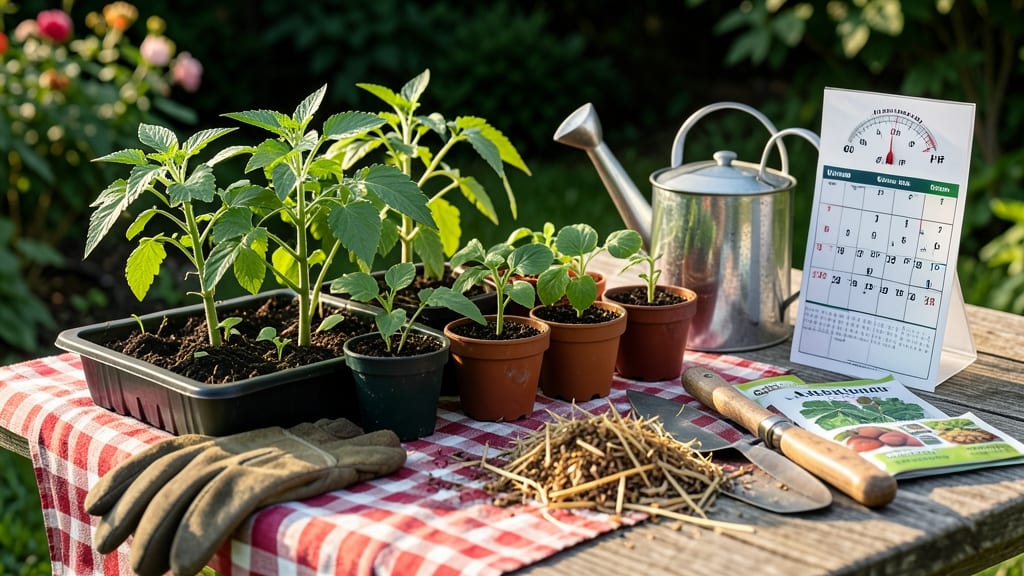
Planting a vegetable garden in Oklahoma at the right time means the difference between a fast, thriving harvest and a sad, wilted mess before summer even hits.
Oklahoma’s unpredictable weather can make or break your vegetable garden—but timing is everything for a bountiful harvest. Plant too early, and frost will strike; too late, and summer’s heat will wilt your crops before they thrive.
For USDA Zones 7a and 7b, the sweet spot is late March to early April for cool-season crops like peas and lettuce, while warm-season favorites like tomatoes and squash should wait until after the last frost, usually around mid-April.
In this guide, I’ll break down the exact planting windows for your favorite vegetables, plus how to adjust for Oklahoma’s microclimates and soil quirks to get the fastest growth possible.
Oklahoma planting timeline by vegetable type: best months for USDA Zone 7a/7b
Oklahoma’s USDA Zone 7a/7b offers a unique gardening challenge with hot summers and cool winters. The key to success? Planting at the right time to avoid late frosts and scorching heat.
Most areas experience their last frost around March 15-April 1 and first frost between November 15-December 15, giving you a 180-210 day growing season.
For cool-season crops, focus on early spring (March-April) and fall (September-October) planting. These plants thrive when temperatures stay between 40°F-75°F. Meanwhile, warm-season crops like tomatoes and peppers need to wait until soil temperatures hit at least 60°F, typically in late April-early May.
Here’s your Oklahoma planting timeline broken down by crop type to maximize yields and avoid common pitfalls like bolting or heat stress.
| Crop Type | Best Planting Months | Soil Temp Requirement | Days to Maturity | Key Notes |
|---|---|---|---|---|
| Cool-Season (Leafy Greens) | March-April, Sept-Oct | 45°F-65°F | 30-60 days | Avoid summer heat; use shade cloth if needed. |
| Cool-Season (Root Veggies) | March-April, Aug-Sept | 50°F-70°F | 40-80 days | Carrots and beets tolerate light frost; direct sow. |
| Warm-Season (Fruiting) | May-June | 60°F+ | 60-90 days | Tomatoes, peppers, and squash need warm soil; use black plastic mulch. |
| Warm-Season (Fast-Growing) | April-May, Aug-Sept | 55°F+ | 20-50 days | Bush beans, radishes, and zucchini thrive in heat; succession plant. |
| Year-Round (Herbs) | March-October | 50°F-80°F | 30-90 days | Basil and cilantro bolt in heat; parsley is frost-tolerant. |
For cool-season crops like lettuce, kale, and spinach, start seeds indoors in February for a March transplant. These plants can handle light frosts but will bolt (go to seed) if exposed to consistent heat.
In fall, plant broccoli and cauliflower by mid-September to harvest before first frost.
Warm-season crops like tomatoes, peppers, and squash need to wait until soil temperatures reach at least 60°F. Use a soil thermometer to check—planting too early can stunt growth. For fast-growing crops like radishes or bush beans, you can even try a late summer planting in August for a fall harvest.
Oklahoma’s high plains (e.g., Amarillo) have shorter growing seasons and colder nights, while southeastern areas (e.g., Tulsa) enjoy longer summers. Adjust planting dates by 1-2 weeks based on your microclimate. For example, southern Oklahoma can plant tomatoes
How to adjust planting dates for Oklahoma’s microclimates and soil conditions
Oklahoma’s diverse landscapes—from the high plains to the southeastern forests—create unique growing conditions that demand flexible planting strategies. Urban gardens in Oklahoma City face heat islands, while rural areas often have clay-heavy soils that retain moisture differently.
These variations mean your neighbor’s perfect planting window might not work for you.
Soil type is another critical factor. Sandy soils warm up faster in spring but drain too quickly, while clay soils hold moisture longer but can stay cold. Even within the same city, a north-facing yard might need 2-3 weeks earlier planting than a south-facing one due to shade differences.
Adjusting for these factors ensures your vegetables thrive despite Oklahoma’s whimsical weather.
⚠️ CALLOUT-WARNING ⚠️
Oklahoma’s last spring frost can hit as late as April 15 in northern zones (like USDA Zone 7a) but may arrive by March 20 in southern areas (like Zone 7b). Planting cool-season crops like lettuce or peas before soil reaches 40°F risks seed rot. Use a soil thermometer—most vegetables need 50-60°F soil to germinate properly.
Pro Tip: For warm-season crops (tomatoes, peppers), wait until soil hits 60°F+—often mid-May in most of Oklahoma.
To extend your growing season, consider row covers or cold frames. These tools can push spring planting back by 3-4 weeks and protect fall crops from early frosts. For example, spinach or kale can often survive until November 15 with a simple floating row cover.
In urban areas, containers with heat-absorbing black fabric can warm soil faster for early starts.
Test your soil’s readiness with the "squeeze test". Grab a handful—if it crumbles easily, it’s too dry for planting. If it sticks together like clay, wait for rain or water it.
Aim for soil that holds shape when squeezed but breaks apart with gentle pressure. Compost or aged manure can improve texture and fertility, especially in sandy soils that drain too quickly.
For urban gardeners, microclimates matter most. A south-facing wall can create a 5-10°F warmer zone, allowing earlier planting of heat-loving crops like okra or sweet potatoes.
Meanwhile, shaded areas under trees may only support leafy greens or radishes. Use a sun map of your yard to strategically place crops where they’ll thrive.
Remember: Oklahoma’s summer heat (often exceeding 95°F) can stress even heat-tolerant plants. Succession planting—sowing fast-maturing crops like bush beans every 2 weeks—ensures a continuous harvest before the worst heat arrives. Pair this with mulching to retain moisture and regulate soil temperature.