
Planting
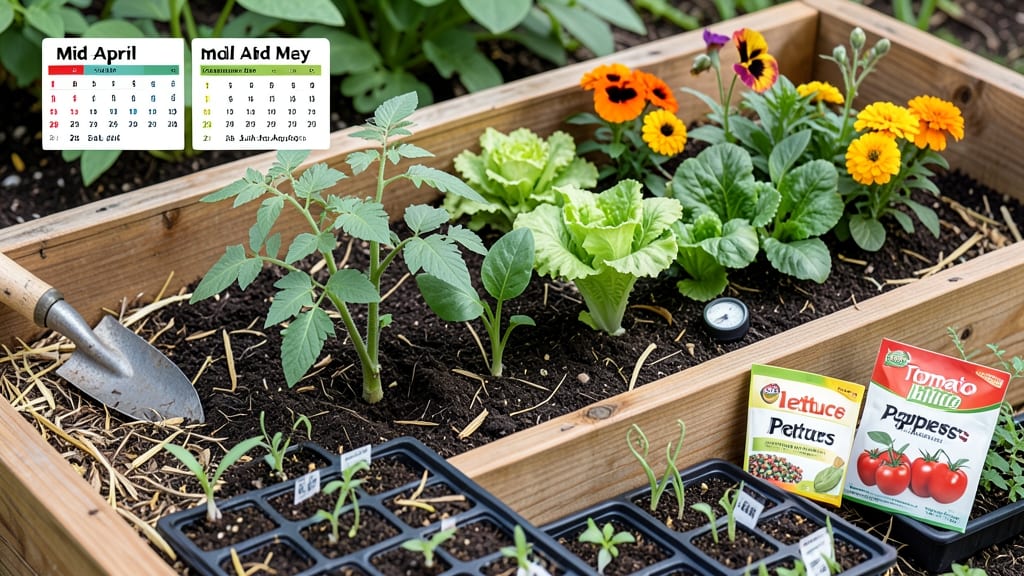
To plant your garden in Ohio, time it between April 15 and May 15 for most vegetables and flowers, aligning with the state’s last frost dates across Zones 4–7.
Ohio’s unpredictable frost dates can make or break your garden—plant too early, and you risk losing crops to late freezes; too late, and you miss the growing season entirely. Mastering the perfect planting timeline ensures your tomatoes, peppers, and greens thrive from Ohio’s Zone 4 to Zone 7.
Spring planting in Ohio isn’t just about dates—it’s about soil warmth and microclimates. Urban areas like Columbus may warm up faster than rural spots near Lake Erie, so adjust your schedule based on your local frost history.
A soil thermometer is your best friend here, as cool soil slows germination even after the last frost.
In this guide, I’ll break down exact planting windows by crop type, share soil prep secrets for Ohio’s clay-heavy soils, and give you the tools to handle late frosts without losing your hard work. Let’s get those seeds in the ground at the right moment!
Ohio’s frost dates by Zone: critical planting windows for vegetables and flowers
Ohio’s frost dates vary dramatically across its USDA Zones 4-7, creating unique planting challenges. In Zone 4 (northeast Ohio), gardeners face a 100-day shorter growing season compared to Zone 7 (southern Ohio).
Knowing your last spring frost and first fall frost determines whether your tomatoes or peppers survive—or get frostbitten.
For example, Columbus (Zone 6) averages its last frost around April 20, while Cleveland (Zone 5b) typically waits until May 5. These dates separate cool-season crops (like spinach and kale) from warm-season plants (like beans and squash).
Planting too early risks frost damage; too late, and you’ll miss the harvest window entirely.
Here’s how to time your plantings by zone, including city-specific averages for Columbus, Cleveland, and Cincinnati. Use these deadlines to plan your spring and fall gardens with confidence.
| Zone & City | Avg. Last Spring Frost | Avg. First Fall Frost | Cool-Season Planting | Warm-Season Planting |
|---|---|---|---|---|
| Zone 4 (Toledo, Youngstown) | May 15 | September 25 | March 15–April 15 | June 1–June 15 |
| Zone 5b (Cleveland, Akron) | May 5 | October 10 | March 1–April 1 | May 15–May 30 |
| Zone 6 (Columbus, Dayton) | April 20 | October 25 | February 28–March 15 | May 1–May 15 |
| Zone 7 (Cincinnati, Lexington) | April 10 | November 1 | February 15–March 1 | April 20–May 1 |
In Zone 4, where frosts linger late, focus on hardy greens like Swiss chard and radishes for early spring. These crops tolerate light frosts and can even improve flavor after exposure.
Meanwhile, Zone 7 gardeners enjoy a longer window to plant warm-season favorites like sweet corn and okra as late as June 15.
For warm-season vegetables, wait until soil temperatures reach 60°F—use a soil thermometer to confirm. In Columbus (Zone 6), this typically happens by May 1, while Cleveland (Zone 5b) may need to wait until May 15.
Planting too soon in cool soil stunts growth and invites damping-off disease.
Fall planting offers a second chance for cool-season crops. In Cincinnati (Zone 7), you can sow spinach and lettuce as late as September 1, while Zone 4 gardeners should finish by August 15.
Use row covers to extend the season by 2-3 weeks and protect tender greens from early frosts.
Pro tip: Track your local frost dates using the National Weather Service or Old Farmer’s Almanac. In Columbus, for instance, late frosts after April 20 occur 1 in 5 years, so adjust planting timelines if your spring runs cold.
For Cleveland, add a 10-day buffer to account for unpredictable lake-effect weather.
Don’t forget perennials like asparagus and rhubarb, which thrive in Ohio’s climate. Plant crowns in early spring (March–April) when soil is workable but frosts are still possible. These hardy plants reward patience
Best crops to plant in Ohio by month: a month-by-month guide
Ohio’s gardening season is a delicate balance between early spring frosts and summer heatwaves. Timing is everything—plant too early, and a late frost can wipe out your seedlings; too late, and you’ll miss peak harvests.
The key? Understanding month-by-month planting tailored to Ohio’s USDA Zones 4–7 and microclimates like urban heat islands or rural valleys.
For cool-season crops like spinach and peas, start as early as March in southern Ohio (Zone 7), while northern areas (Zone 4) may wait until late April. Warm-season favorites like tomatoes and peppers demand soil temperatures above 60°F, typically after May 15 in most regions.
Below, I’ll break down the best crops to plant each month, including succession planting tips to keep your harvests flowing all season.
🌱 Ohio Planting Calendar by Month
- March: Peas, spinach, lettuce, onions (cool-hardy crops). Direct-sow after last frost (avg. April 15 in Zone 5). Use row covers for frost protection.
- April: Radishes, carrots, kale, and potatoes. Start transplanting tomatoes and peppers indoors (6–8 weeks before last frost).
- May: Plant warm-season crops like beans, squash, and cucumbers after soil warms (test with a soil thermometer). Succession-sow lettuce every 2 weeks.
- June: Tomatoes, peppers, and eggplants (transplant after June 1 in most zones). Direct-sow okra and sweet potatoes for late-summer harvests.
- July–August: Succession plant bush beans, radishes, and turnips for fall harvests. Start cool-season crops indoors (e.g., broccoli, cabbage) for September transplants.
- September: Plant garlic, onions, and spinach for spring harvests. Extend tomato season with row covers or greenhouses.
- October: Direct-sow hardy greens like kale and collards for winter harvests. Cover with mulch to protect from early frosts.
Ohio’s Zone 7 areas (e.g., Columbus, Cincinnati) can push warm-season crops later—try planting tomatoes in early June for a longer harvest window. Meanwhile, Zone 4–5 gardeners should prioritize early-maturing varieties (e.g., ‘Early Girl’ tomatoes, ‘Radish Sparkler’) to beat the first frost (avg. October 15).
For succession planting, stagger lettuce, radishes, and beans every 2–3 weeks to ensure a continuous harvest. For example, sow radishes in April, again in June, and once more in August for three harvests.
This trick works especially well for fast-growing crops like bush beans and turnips.
Heat-tolerant varieties are your best friends in Ohio’s summer heat. Opt for ‘Heatmaster’ tomatoes, ‘Jupiter’ peppers, and ‘Malabar’ spinach, which thrive in 90°F+ temperatures without bolting. Pair these with drip irrigation to keep roots cool and mulch heavily to retain moisture.
Pro tip: Use frost dates as your guide, but watch your local forecast. A 5-day stretch of 50°F nights in May might delay tomato transplants by a week. When in doubt, harden off seedlings gradually and keep frost cloth handy for late-season crops like broccoli.