
Planting
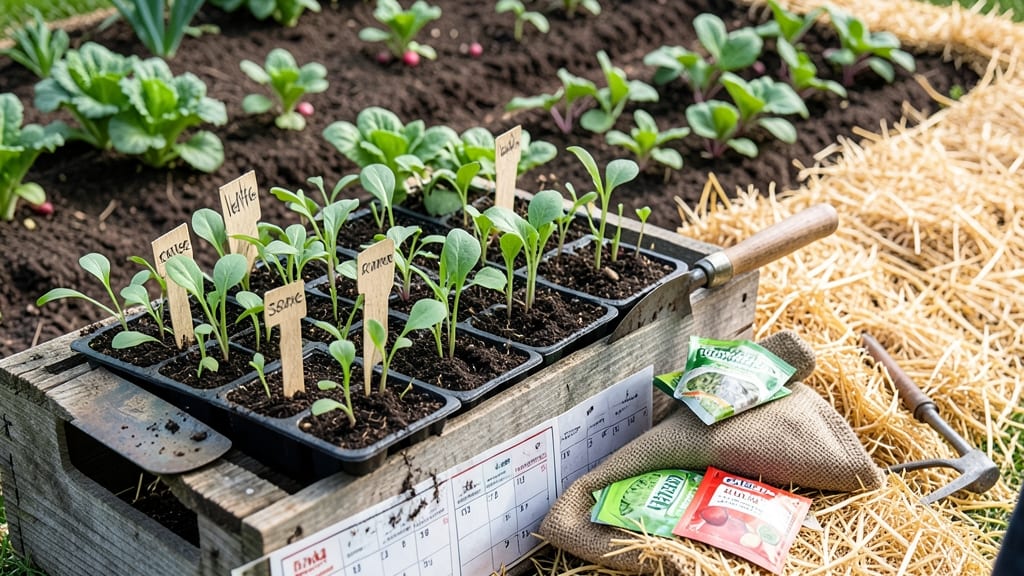
Planting a garden in Ohio starts mid-April to mid-May after the last frost date—unless you want to gamble on a surprise freeze or wasted seeds.
Ohio’s unpredictable spring weather can turn a gardener’s well-laid plans into a guessing game—unless you know the exact planting windows for your zone. Get the wrong timing, and you’ll either face frost damage or watch your seeds rot in the ground.
In zones 6a-6b, where most of Ohio falls, the first frost usually arrives in mid-October, giving you a 165-day growing season—plenty of time for leafy greens, tomatoes, and even late-season peppers if you plan right.
Below, I break down the ideal planting months for your favorite crops, how to adjust for late frosts, and the one trick that extends your harvest by weeks—no matter what Mother Nature throws your way.
Ohio planting dates by USDA hardiness zone (2024 guide)
Ohio spans USDA zones 5a through 6b, meaning your planting schedule depends heavily on where you live. The last spring frost typically arrives between mid-April and early May, while the first fall frost hits around mid-October.
These dates shift slightly each year, so always check your local Almanac’s frost predictions before planting. Northern Ohio (zones 5a-5b) has a shorter growing season, while southern Ohio (zones 6a-6b) enjoys an extra 2-3 weeks of warmth.
For cool-season crops like lettuce and peas, you can start seeds 4-6 weeks before your last frost.
In zone 5a, that’s often mid-March, while zone 6b gardeners can wait until late March. Warm-season crops such as tomatoes and peppers, however, must wait until after the last frost—usually mid-May in the north and early May in the south—to avoid damage.
Understanding these zone-specific windows is key to avoiding common mistakes like frost-killed seedlings or bolting greens.
Here’s a quick reference for Ohio’s planting zones and their critical dates:
If you’re in zone 5a, focus on fast-maturing varieties like bush beans or radishes to maximize your short season. Meanwhile, zone 6b gardeners can experiment with longer-season crops like heirloom tomatoes or squash, knowing they’ll have extra time before frost.
Always harden off seedlings for 7-10 days before transplanting, especially if nighttime temps dip below 50°F.
For herbs like basil, wait until after Memorial Day in northern Ohio, as they’re highly sensitive to frost.
In contrast, perennials like asparagus should be planted in early spring (March-April) so they establish roots before summer heat. Adjust for microclimates: A south-facing garden warms up faster than a shaded spot, so you might plant 1-2 weeks earlier in sunny areas.
Don’t overlook fall planting. In zone 6b, you can still direct-sow spinach and kale until mid-October, while zone 5a gardeners should finish by early September. Use row covers to extend the season by 2-4 weeks in both zones.
These protective fabrics trap heat and shield plants from light frosts (28-32°F), letting you harvest well into November.
Pro tip: Keep a gardening journal to track your local frost dates over time. Ohio’s climate is shifting, and last frost dates are arriving 2-3 days earlier each decade. By noting when your zucchini blooms or peppers ripen, you’ll refine your planting schedule year after year.
Start with cold-hardy crops like peas and lettuce in early spring, then transition to heat-loving plants once soil temps hit 60°F.
For container gardening, you can push boundaries slightly. Pots warm up faster than soil, so you might plant tomatoes or peppers 1-2 weeks earlier in containers. Just ensure they’re in a protected location
Best crops to plant in Ohio by season (with exact months)
Ohio’s cool, wet springs and hot, humid summers create a unique growing window. The key to success? Planting at the right time to avoid late frost damage or overheating before harvest. Unlike warmer climates, Ohio’s USDA Zones 5a-6b demand precise timing—especially for heat-loving crops like tomatoes and peppers.
I’ve grown everything from frost-hardy spinach to sensitive peppers in Ohio, and the difference between a bountiful harvest and a failed crop often comes down to planting dates. Below are the exact months to plant Ohio’s top crops, plus variety recommendations that thrive in our climate.
📅 Ohio Planting Calendar by Season
- 🌱 Early Spring (March-April): Peas, spinach, lettuce, onions, potatoes — sow as soon as soil is workable (40°F+). Use row covers for extra protection.
- ☀️ Late Spring (May): Tomatoes, peppers, cucumbers, beans, corn — wait until soil reaches 60°F and last frost has passed (mid-May in most areas).
- 🌿 Summer (June-July): Sweet potatoes, okra, basil, squash — plant after June 1 to avoid early heat stress. Succession plant bush beans every 2 weeks.
- 🍂 Fall (August-September): Kale, carrots, radishes, broccoli, garlic — sow 8-10 weeks before first frost (late August for most Ohioans).
For cool-season crops, I swear by ‘Early Wonder’ peas and ‘Winter Density’ spinach—both bolt-resistant and ready for Ohio’s short growing windows. In contrast, ‘Better Boy’ tomatoes and ‘Jalapeño M’ peppers need long, hot summers to ripen fully. Plant them after Memorial Day for best results.
One don’t-miss warning: Overlooking soil temperature is a rookie mistake. A cold soil (below 50°F) can stunt seeds like cucumbers or squash. Use a soil thermometer—if it’s below 60°F, wait a week or two. Peppers are especially finicky; they’ll rot in cold soil.
Ohio’s fall harvest is my favorite—kale and carrots taste sweeter after a light frost. For a second crop, plant ‘Rainbow Chard’ or ‘Paris Market’ carrots in late July. These varieties handle cool nights and shorter days beautifully, giving you fresh greens until November.
Pro tip: Succession planting is your best friend. Instead of sowing all your bush beans at once, space them every 2 weeks from May to July. This ensures a steady harvest and avoids glutting your kitchen.
And if you’re new to gardening, start with ‘Sugar Snap’ peas—they’re frost-tolerant and ready in just 60 days.