
Pruning
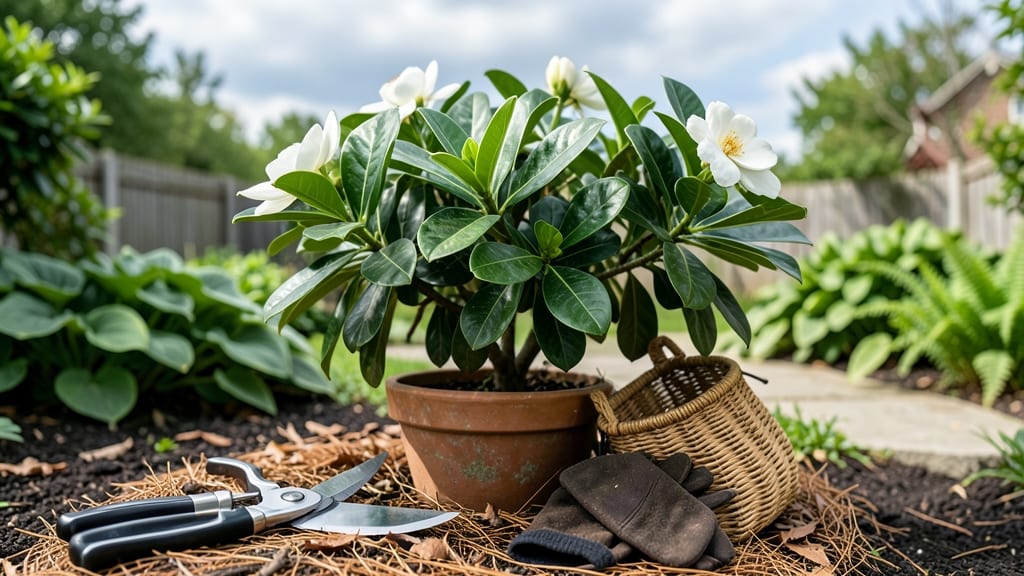
Pruning gardenias in Georgia should happen in late winter—right after the last frost and before new growth starts, typically between mid-February and early April.
If you’ve ever watched your fragrant 🌸 gardenias struggle to bloom after a hasty trim, you’re not alone. Georgia’s humid summers and unpredictable frost dates make timing everything—prune too early, and you risk stunted growth; too late, and you miss the prime window for vibrant spring flowers.
This guide cuts through the guesswork with the exact pruning window for your USDA zones 7b-8b, plus pro tips to shape your shrubs for maximum fragrance and fuller blooms. No more second-guessing when to reach for the shears.
You’ll learn how to time cuts with Georgia’s microclimates, spot the first signs of new growth, and avoid common mistakes that leave gardenias looking ragged. Let’s get those 🌸 shrubs ready for a show-stopping spring.
Best late winter pruning window for Georgia gardenias
Georgia gardenias thrive when pruned at the right moment—too early and you risk frost damage, too late and your blooms suffer. The ideal late-winter window spans from mid-January to early February, just before new growth begins.
This timing aligns with Georgia's USDA Zones 7b-8b and avoids the last frost threat (typically around March 15).
Why this window? Gardenias need 6-8 weeks of warm weather to recover and produce fragrant blooms. Pruning too early stresses the plant, while waiting too long reduces next season's flower potential. The key is temperature thresholds: aim for consistent daytime highs above 60°F and nights above 45°F.
Georgia's microclimates create variations. In coastal areas (like Savannah), prune 1-2 weeks earlier due to milder winters. In northern GA (Athens, Dalton), delay until late February to avoid late frosts. Always check your local frost-free date for precision.
| Pruning Window | Georgia Region | Key Conditions | Bloom Impact |
|---|---|---|---|
| Mid-January | Coastal (Savannah) | 60°F+ days, 45°F+ nights | Maximizes early growth |
| Early February | Central (Atlanta) | 55°F+ days, 40°F+ nights | Balanced regrowth |
| Late February | Northern (Dalton) | 50°F+ days, 35°F+ nights | Avoids frost damage |
| After March 15 | Any Region | Risk of new growth | Reduced blooms |
Pruning in late winter removes dead or crossing branches while encouraging airflow and sunlight penetration. This is critical for Georgia's humid summers, which promote fungal diseases if branches are too dense. I always look for dormant buds—these signal the plant's readiness to grow.
Missed the window? Don't panic. You can lightly prune in early spring (March), but expect fewer blooms that season. The trade-off is protecting the plant from late frosts. For container gardenias, prune 1-2 weeks earlier since they warm up faster than in-ground plants.
Watch for temperature spikes—if nights dip below 40°F, delay pruning. Gardenias in full sun locations (like south-facing yards) may need pruning 1 week earlier to prevent heat stress. Always prune on overcast days to reduce shock to the plant.
Never prune after early March unless you're dealing with damaged branches from winter storms. The plant's energy shifts to flowering by then, and heavy pruning disrupts this process. I've seen gardenias in Athens bloom 30% less when pruned after March 1st.
Pro tip: Shape your gardenia like a rounded vase—this maximizes airflow and sunlight while keeping the classic gardenia silhouette. Use sterilized pruners to prevent bacterial infections, especially in Georgia's high humidity. After pruning, apply a light mulch layer to retain moisture.
Remember, gardenias bloom on old wood, so avoid over-pruning. Remove only 1/3 of the plant's volume at most. For young gardenias (under 3 years), limit pruning to 10-15% of the plant to encourage establishment. The goal is healthier plants, not bigger bushes.
Step-by-step pruning guide for Georgia gardenias
Pruning your Georgia gardenias correctly is the secret to lush, fragrant blooms all summer long. These evergreen shrubs thrive when pruned with precision—cutting at the right time and using the proper technique ensures stronger stems and more abundant flowers.
Without proper pruning, you risk overcrowded branches or even disease-prone cuts that weaken your plant.
Before you grab your pruning shears, gather the essential tools: sterilized bypass pruners, sharp loppers for thicker branches, and gloves to protect your hands from thorns.
Always sterilize your tools with rubbing alcohol to prevent spreading fungal diseases like powdery mildew, which gardenias are prone to in Georgia’s humid climate.
Now, let’s dive into the step-by-step process to revive and shape your gardenias like a pro.
Step-by-Step Pruning Guide
- Step 1: Remove Dead or Diseased Wood Start by cutting out any dead, damaged, or diseased branches at the base. Look for branches that are brown, mushy, or covered in mold.
- Step 2: Thin Out Overcrowded Branches Selectively remove 1/3 of the oldest branches to improve airflow and sunlight penetration. Focus on branches that cross or rub against each other.
- Step 3: Shape the Shrub Use your pruners to trim back overgrown branches to maintain a balanced, rounded shape. Avoid cutting more than 1/3 of the plant’s foliage in one session.
- Step 4: Cut at the Right Angle Make cuts just above a bud or leaf node, at a 45-degree angle. Aim for a 1/4-inch clearance above the bud to encourage new growth in the right direction.
- Step 5: Deadhead Spent Blooms After the blooming season, trim back wilted flower stems to the nearest leaf node. This redirects energy to new flower buds for next season.
- Step 6: Clean Up and Dispose Collect and dispose of pruned branches in a sealed bag to prevent pests or diseases from spreading. Avoid composting diseased wood.
One of the most common mistakes Georgia gardeners make is pruning too aggressively or at the wrong time. Over-pruning can shock your gardenia, leading to fewer blooms and weakened growth. Always prune gradually—never more than 1/3 of the plant’s foliage in a single session.
Additionally, avoid pruning in late summer or fall, as new growth won’t have time to harden off before winter.
After pruning, your gardenia will need extra care to recover and thrive. Focus on deep watering and light fertilization to encourage robust regrowth. Mulch around the base to retain moisture and protect roots from Georgia’s intense summer heat.
With the right technique, your gardenia will reward you with glorious, fragrant blooms all season long.