
Vegetables
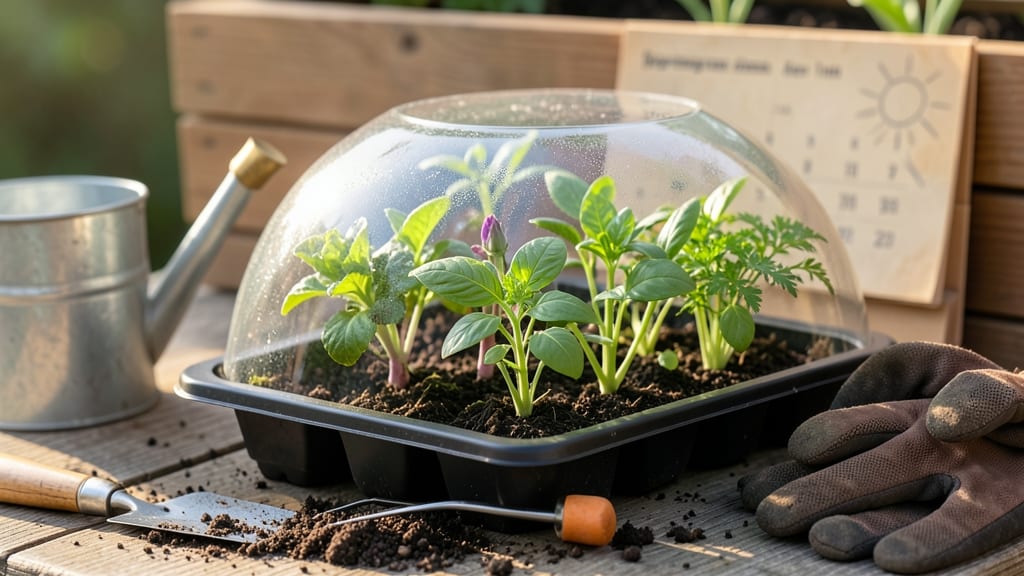
Starting gardening vegetables at the right time means the difference between a thriving plot and wasted seeds — and most gardeners still guess when to begin.
Picture this: you’ve prepped the soil, ordered your seeds, and even marked the calendar. Then a late frost hits, and your tender seedlings turn to mush overnight. That’s the heartbreak of planting too early, but timing it too late means missing the harvest window entirely.
The good news? A few simple rules based on your climate zone can turn the guesswork into a foolproof plan.
Whether you’re in a short northern growing season or a long southern one, knowing when to plant each vegetable — from heat-loving tomatoes to cold-tolerant greens — keeps your garden productive.
Below, I’ll break down the exact frost-free dates by zone, how to adjust for your local microclimate, and the 5 biggest mistakes that ruin planting timelines every year.
You’ll leave here with a clear calendar for your zone, a checklist to verify frost dates, and the confidence to start your garden at the perfect moment — no more second-guessing, no more lost crops.
Climate-Zone planting calendar: exact dates to avoid frost damage
Timing your vegetable garden is like playing a high-stakes game of frost roulette. One wrong move, and your tomatoes or peppers become casualties of late-season frost. But with the right USDA zone planting calendar, you can outsmart Mother Nature and enjoy a bountiful harvest every time.
Let's break down the exact dates for each zone to ensure your plants thrive.
The key to success lies in understanding your last frost date and first frost date. These dates vary dramatically from Zone 3 (northern climates) to Zone 11 (tropical regions).
For example, gardeners in Zone 5 face a 150-day growing season, while those in Zone 9 enjoy nearly year-round growing potential. Knowing these dates helps you choose the right planting window for each crop.
Here's a color-coded planting calendar that shows the ideal planting windows for common vegetables in each USDA zone. Use this as your guide to avoid frost damage and maximize your garden's productivity.
| USDA Zone | Last Frost Date | First Frost Date | Early Spring (Cold-Hardy Crops) | Late Spring (Warm-Season Crops) | Fall Planting Window |
|---|---|---|---|---|---|
| Zone 3 | May 15 | September 15 | March 15 - April 15 (Lettuce, Spinach) | May 20 - June 10 (Tomatoes, Peppers) | July 15 - August 15 (Kale, Broccoli) |
| Zone 5 | April 25 | October 20 | March 1 - April 1 (Peas, Radishes) | May 10 - June 1 (Tomatoes, Cucumbers) | July 1 - August 10 (Carrots, Beets) |
| Zone 7 | March 20 | November 15 | February 15 - March 15 (Onions, Lettuce) | April 15 - May 1 (Peppers, Eggplants) | August 1 - September 1 (Spinach, Arugula) |
| Zone 9 | February 1 | December 15 | January 1 - February 15 (Peas, Broccoli) | March 1 - April 1 (Tomatoes, Basil) | September 15 - October 31 (Lettuce, Radishes) |
| Zone 11 | None (Year-round) | None (Year-round) | January - February (Green Beans, Cucumbers) | March - April (Tomatoes, Peppers) | September - November (Winter Squash, Kale) |
For Zone 3 gardeners, the short growing season demands early starts. Begin cold-hardy crops like spinach and kale in late March, while warm-season crops like tomatoes can wait until after the last frost date in mid-May. Fall planting is limited but can include broccoli and carrots sown in July.
In Zone 5, you have a slightly longer window. Start cool-season crops like peas and radishes in early March, and warm-season crops like cucumbers after the last frost date in late April. Fall planting can extend into early August for fast-maturing crops like lettuce and <
How to adjust planting times for short vs. long growing seasons
Your growing season length dramatically changes what you can grow—and when. In northern climates with just 60 frost-free days, you’ll focus on fast-maturing crops like bush beans or radishes, while southern gardeners enjoy year-round planting. The key? Matching your planting windows to your climate’s extremes.
I’ve gardened in both Zone 5 (short season) and Zone 9 (long season), and the strategies differ wildly. In cold regions, succession planting every 2 weeks maximizes yields, while southern gardens benefit from fall/winter crops like kale or carrots. Let’s break down how to adapt your timing.
⚠️ CRITICAL FACTOR: Your last frost date (northern) vs. first frost date (southern) determines everything. Use cold-hardy varieties in short seasons (e.g., peas, spinach) and heat-tolerant ones in long seasons (e.g., okra, sweet potatoes).
For short-season gardens, prioritize direct sowing over transplants to save time. Start cool-season crops like spinach or carrots as soon as soil is workable (usually 2–4 weeks before last frost). Use row covers to push harvests earlier—3–4 weeks ahead for leafy greens.
In long-season climates, focus on slow-maturing crops like squash or corn, planted in late spring after soil warms. Succession plant every 4–6 weeks to avoid gluts. Save space for fall/winter crops like broccoli or garlic, which thrive in cooler weather.
Pro tip: Northern gardeners should harvest before frost (even if immature), while southern gardeners can plant fall crops as early as July to avoid summer heat. Adjust based on your microclimate—south-facing beds warm faster, while shaded areas stay cooler.
🌱 Whether you’re battling 60-degree nights or 90-degree days, your planting calendar is the secret to success. Start with your frost dates, then layer in season extenders and succession planting to turn your climate’s limits into opportunities.