
Tools
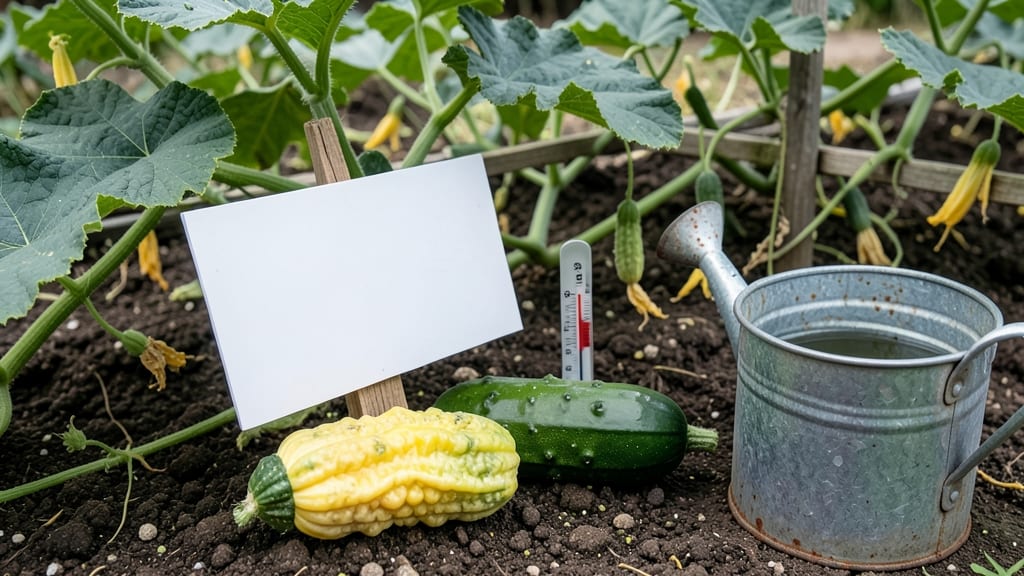
Your garden cucumbers 🥒 taste bitter when they’re overripe, under-watered, or stressed by heat or poor soil—but the good news is, fixing it is easier than you think.
Picture this: You’ve been waiting weeks for that first crisp cucumber, only to bite into a tough, bitter mess. That frustration? It’s usually a mix of environmental factors and simple growing mistakes. The key is catching the problem early—whether it’s adjusting watering, tweaking fertilizer, or picking at the right time.
In this guide, I’ll walk you through the 5 most common causes of bitter cucumbers and how to reverse them fast. You’ll also discover the best varieties for sweet flavor and the exact harvesting window to avoid bitterness entirely.
No more wasted harvests—just crisp, delicious cucumbers straight from your garden. Let’s get started.
5 Common reasons your garden cucumbers taste bitter (and how to fix them)
There’s nothing worse than biting into a homegrown cucumber only to be hit with an unpleasant bitter flavor. While store-bought cucumbers sometimes have this issue, your garden-grown cucumbers should taste sweet and crisp.
Unfortunately, several factors—from overripe harvesting to heat stress—can turn your harvest bitter. The good news? Most of these problems have simple fixes that can restore that refreshing taste you love.
Cucumbers develop bitterness due to cucurbitacin, a natural compound that acts as a defense mechanism against pests and environmental stress. While small amounts are harmless, too much makes them inedible.
Let’s explore the top causes and how to prevent them, so you can enjoy sweet, juicy cucumbers all season long.
Leaving cucumbers on the vine too long triggers bitterness buildup. Harvest when they’re 6-8 inches long and deep green.
Temperatures above 90°F cause cucumbers to produce cucurbitacin. Use shade cloth or mulch to regulate soil temps.
Fluctuating moisture levels lead to stress-induced bitterness. Water deeply 1-2 times per week for consistent hydration.
Too much nitrogen or too little potassium disrupts flavor. Use a balanced 10-10-10 fertilizer every 4-6 weeks.
Compacted or nutrient-poor soil stresses plants. Amend with compost and ensure well-draining soil for optimal growth.
Now that you know the culprits behind bitter cucumbers, let’s tackle each issue one by one. First, overripe harvesting is one of the most common mistakes. Cucumbers continue to grow and develop bitterness once they’ve reached their ideal size.
If you’ve been waiting too long to harvest, it’s time to start checking your plants every 2-3 days during peak growing season.
For heat stress, cucumbers are particularly sensitive to extreme temperatures. When daytime highs exceed 90°F, they ramp up production of cucurbitacin as a survival mechanism. To combat this, provide afternoon shade with 30-50% shade cloth or mulch heavily to keep roots cool.
Drip irrigation can also help by keeping foliage dry and reducing heat absorption.
Watering inconsistencies are another sneaky culprit. Cucumbers need 1-2 inches of water per week, delivered deeply rather than superficially. If your soil dries out completely between waterings, your plants will produce bitter cucumbers as a stress response.
Use a moisture meter or stick your finger 2 inches into the soil—if it’s dry, it’s time to water.
When it comes to nutrient imbalances, cucumbers thrive on a balanced diet. Too much nitrogen promotes leafy growth at the expense of flavor, while a deficiency in potassium weakens the plant’s ability to regulate bitterness.
A 10-10-10 fertilizer applied every 4-6 weeks during the growing season keeps your cucumbers happy and sweet. Avoid over-fertilizing, as excess salts in the soil can also contribute to bitterness.
Lastly, poor soil quality can sabotage your harvest before it even begins. Cucumbers prefer loamy, well-draining soil with a pH between 6.0 and 6.8. If your soil is compacted or lacks organic matter, amend it with compost or aged manure before planting.
Raised beds are an excellent solution if your native soil is heavy clay or sandy.
By addressing these five common issues, you’ll be well on your way to growing sweet, crisp cucumbers that rival store-bought quality. Start with the fixes that apply to your garden, and don’t forget to monitor your plants regularly for early signs of stress.
With a little attention, your next harvest will be the best yet!
🌱
How to adjust watering and fertilizer for sweeter cucumbers
Bitterness in your homegrown cucumbers often stems from watering inconsistencies or fertilizer imbalances. Cucumbers crave consistent moisture and a balanced nutrient mix to develop sweet, crisp flesh.
When water or nutrients fluctuate, the plant shifts energy toward survival instead of flavor development. Let’s fix that with science-backed adjustments to your irrigation and feeding routine.
Start by evaluating your current watering method. Overhead sprinklers can lead to uneven moisture and fungal risks, while drip irrigation delivers water directly to roots, reducing waste and stress.
Pair this with a morning watering schedule to prevent fungal growth and ensure roots absorb moisture efficiently before the heat of the day.
For fertilizer, focus on a high-potassium blend (like 5-10-10) during fruiting stages. Potassium enhances sugar development in cucumbers, while too much nitrogen promotes leafy growth at the expense of flavor. Apply fertilizer every 4-6 weeks during the growing season, but reduce applications as harvests slow in late summer.
Test your soil’s pH—ideal levels for cucumbers are between 6.0 and 6.8. Acidic soil (below 6.0) can cause nutrient deficiencies, while alkaline soil (above 7.0) locks out essential minerals. Amend with compost or lime to adjust pH gradually, ensuring roots access all nutrients for sweet fruit production.
Finally, mulch around your cucumber plants with straw or wood chips to retain moisture and regulate soil temperature. This simple step reduces watering frequency while keeping roots cool, which directly improves flavor. Combine these adjustments, and you’ll harvest cucumbers that are crisp, sweet, and free of bitterness.
🥒💧☀️