
Tools
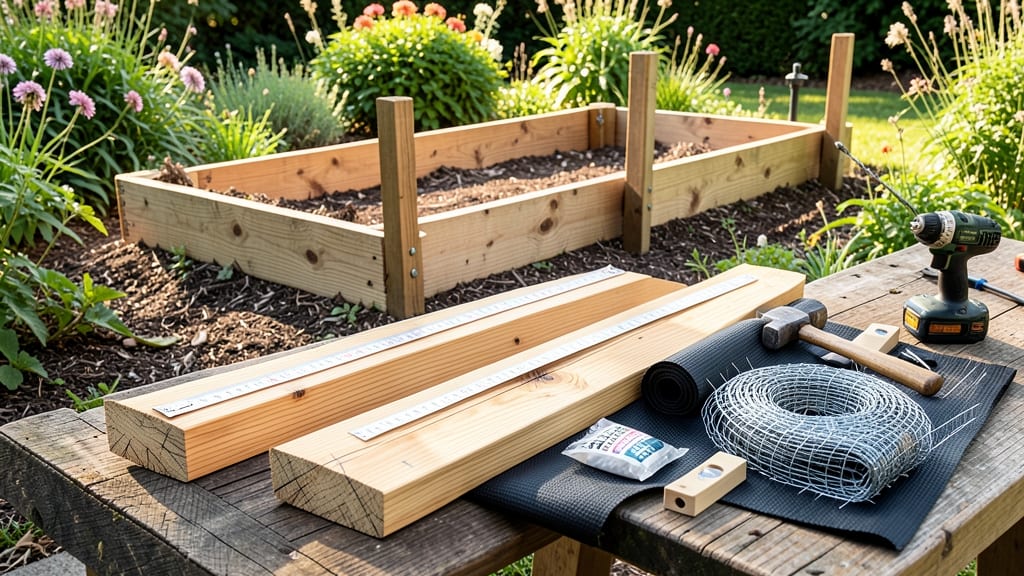
Building a 2x4 raised garden bed plans is one of the most rewarding DIY projects for any gardener, offering control over soil quality, weed suppression, and even accessibility.
Imagine stepping into your backyard and harvesting fresh tomatoes, crisp lettuce, or fragrant herbs—all from a bed you built yourself with just a few tools and simple lumber.
Whether you're working with a small urban patio or a sprawling backyard, these plans adapt to your space and needs. No more struggling with compacted soil or bending over for hours—just a sturdy, custom-sized bed that fits your plants and your lifestyle.
Plus, the cost is a fraction of pre-made beds, and the satisfaction? Priceless.
Inside, you’ll find free printable designs for sizes like 4x8, 4x12, and custom lengths, complete with material lists, corner options, and step-by-step assembly. We’ll also cover the key mistakes to avoid—like rot-prone wood or drainage failures—and how to extend your bed’s lifespan for years of gardening joy.
Ready to turn your gardening dreams into reality? Let’s get started with the perfect 2x4 raised bed plan tailored to your space, budget, and green thumb goals.
Free 2x4 raised garden bed plans for custom sizes (4x8, 4x12, and beyond)
Building a 2x4 raised garden bed is one of the most rewarding DIY projects for any gardener. These beds offer customizable sizes, better soil control, and easier maintenance than traditional in-ground plots.
Whether you're growing tomatoes, herbs, or flowers, the right dimensions make all the difference. Below, I’ll walk you through step-by-step plans for popular sizes—plus tips to customize them for your space.
Before diving in, note that 2x4 lumber is lightweight, affordable, and easy to work with, but it requires proper treatment to prevent rot. Cedar or redwood are great alternatives if you want longer-lasting beds without chemicals.
For most vegetable gardens, a depth of 6-12 inches is ideal—enough for root growth but not so deep that soil stays soggy.
Here’s what you’ll need for any size: galvanized screws or decking screws (2.5-3 inches long), corner brackets or notched joints, and landscape fabric to line the bottom (optional but recommended). Let’s start with the most popular dimensions and how to adapt them for your garden.
🌱
For a 4x8 ft bed, you’ll need 8 pieces of 2x4 lumber (each 8 ft long). Cut two pieces to 48 inches for the short ends and two pieces to 94 inches for the long sides (accounting for the 3.5-inch width of the 2x4).
Assemble the frame using galvanized screws or corner brackets—I recommend notched corners for a clean look, but brackets add stability for taller beds.
If you’re building a 4x12 ft bed, the math changes slightly. Cut two pieces to 58 inches (length) and two pieces to 126 inches (width). For longer beds, add support beams every 4 feet to prevent sagging. Use metal corner braces if you’re worried about warping over time.
For custom sizes, like a 3x6 ft bed, adjust the cuts to 34 inches (length) and 70 inches (width). This size is perfect for small balconies or herb gardens. Pro tip: Stack two layers of 2x4s to create a 12-inch-tall bed, ideal
Best 2x4 raised bed designs for different gardening needs
Not all raised beds are created equal! Whether you're growing deep-rooted vegetables like tomatoes or potatoes, or need an accessible design for wheelchair users, the right 2x4 raised bed plan makes all the difference.
I’ve tailored these designs to fit specific gardening goals while keeping durability and cost in mind.
For deep-rooted plants, aim for beds at least 12 inches deep—this gives carrots and potatoes room to thrive. Cedar or pressure-treated wood are great choices here, but cedar resists rot naturally, making it ideal for long-term use.
If you're on a budget, consider untreated lumber with a sealant, though it may need replacing sooner.
Looking for container gardening solutions? Smaller beds (3x6 feet) work perfectly for herbs and compact veggies like lettuce or radishes. These can even be stacked vertically to save space!
For wheelchair accessibility, raise the bed to 30-36 inches—this height allows easy reach while keeping the soil depth ideal for most plants.
Here’s a breakdown of the best 2x4 raised bed designs for your needs:
-
Deep-Rooted Veggie Bed
Ideal for: Tomatoes, potatoes, carrots
Dimensions: 4x8 ft, 12-18" deep
Materials: Cedar or pressure-treated 2x4s
Pro Tip: Add compost to the bottom 6" for extra nutrients -
Tiered Herb Garden
Ideal for: Basil, thyme, parsley
Dimensions: 3x3 ft, 6-8" deep (stackable)
Materials: Untreated pine with sealant
Pro Tip: Use lattice sides for climbing herbs like mint -
Accessible Wheelchair Bed
Ideal for: All gardeners, especially those with mobility challenges
Dimensions: 4x4 ft, 30-36" tall
Materials: Pressure-treated 2x4s (durable and stable)
Pro Tip: Add a removable tray for easy soil replacement -
Budget-Friendly Small Bed
Ideal for: Balconies, patios, or small yards
Dimensions: 2x4 ft, 8-10" deep
Materials: Reclaimed wood or pallet lumber
Pro Tip: Line with landscape fabric to prevent soil loss
For cost-saving modifications, consider using corner brackets instead of notched joints—this speeds up assembly and reduces waste. If you’re worried about wood rot, line the interior with landscape fabric or use hardware cloth to protect the wood from moisture.
Always pre-drill screws to prevent splitting, especially with cedar, which can be brittle.
No matter which design you choose, remember that soil quality is just as important as the bed itself. Mix in compost and organic matter to give your plants the best start.
With the right plan, your 2x4 raised bed will be a productive (and beautiful!) addition to your garden for years to come.