
Tools
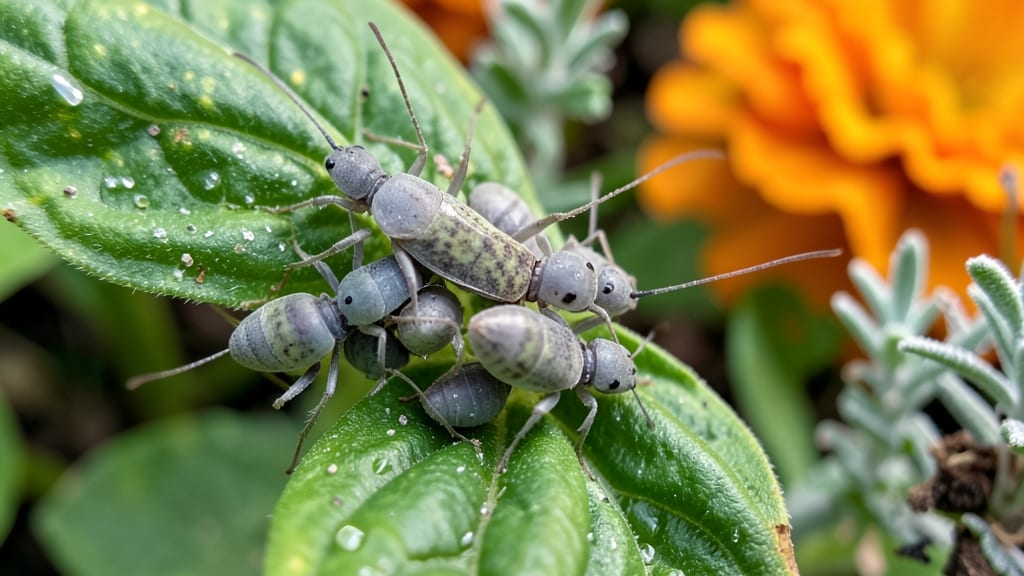
Gray bugs in your garden can turn a thriving plot into a battleground overnight if you don’t act quickly.
Picture this: you step outside to water your plants, only to find tiny gray invaders munching on leaves or leaving behind a trail of damage. These pests—whether slugs, earwigs, or something more sneaky—often fly under the radar until it’s too late.
But the good news? Identifying them early means you can stop the damage before it spreads.
From aphids to fungus gnats, I’ll walk you through the most common gray garden pests, how to spot them, and the fastest ways to eliminate them—naturally or with targeted treatments. No more guessing what’s chewing your plants or which solution actually works.
You’ll also learn how to keep your garden pest-free long-term with simple, eco-friendly tricks that protect your plants and the ecosystem. Let’s get started.
12 Most common gray bugs in gardens & how to spot them
Gray bugs in your garden aren’t just an eyesore—they can devour leaves, transmit diseases, and stunt plant growth if left unchecked. Many gardeners mistake these pests for harmless insects, but their subtle differences can determine the right treatment.
Let’s break down the 12 most common gray bugs you’ll encounter, their distinctive traits, and the damage they cause so you can act fast.
First, it’s crucial to differentiate between soft-bodied and hard-bodied gray bugs.
Soft-bodied pests like mealybugs and aphids often hide under leaves, while hard-bodied ones like earwigs or slugs are more visible during damp evenings. Color variations also matter—some gray bugs have white or black markings, which can clue you into their identity and best control methods.
Here’s a quick reference to help you identify gray bugs at a glance, including their life cycles, favorite plants, and telltale damage signs.
| Bug Name | Appearance | Size (Adult) | Favorite Plants | Damage Signs |
|---|---|---|---|---|
| Aphids | Gray-green, soft-bodied, clustered | 1/16" | Roses, beans, lettuce | Sticky honeydew, curled leaves |
| Mealybugs | White-gray, cottony, stationary | 1/8" | Citrus, succulents, ferns | Yellowing leaves, sooty mold |
| Spider Mites | Gray-red, tiny, web-spinning | 1/250" | Tomatoes, peppers, roses | Speckled leaves, fine webbing |
| Fungus Gnats | Gray, mosquito-like, fly adults | 1/8" | Seedlings, houseplants | Wilted seedlings, larval tunnels |
| Earwigs | Gray-brown, pincered, curved body | 1/2" | Vegetables, flowers, mulch | Chewed leaves, holes in petals |
| Caterpillars (Gray Looper) | Gray, loop-moving, fuzzy | 1" | Cabbage, kale, broccoli | Skeletonized leaves, frass |
| Scale Insects | Gray-white, shell-like, immobile | 1/16" | Fruit trees, citrus, roses | Sticky residue, wilting |
| Thrips | Gray-black, tiny, winged
Natural & chemical solutions to eliminate gray garden bugs fastOnce you've identified those pesky gray bugs wreaking havoc in your garden, it's time to act. The good news? You have multiple effective options—from gentle organic solutions to stronger chemical treatments. The key is choosing the right method based on the pest severity and plant type you're protecting. Let's explore your best options ranked by effectiveness. For minor infestations on delicate plants like herbs or seedlings, organic sprays are your safest bet. Neem oil and insecticidal soap disrupt insect life cycles without harming beneficial pollinators. These solutions work by smothering bugs and interfering with their ability to feed. Apply in the early morning or late evening when bees are less active for maximum safety. DIY remedies like soapy water or garlic spray are excellent budget-friendly alternatives. Mix 1 tablespoon of mild liquid soap with 1 quart of water and spray directly on affected areas. Garlic spray, made from blended garlic and water, acts as a natural repellent. Both methods require reapplication every 3-5 days for best results, making them ideal for preventative maintenance. Gray Bug Elimination Methods ComparedNeem Oil
Insecticidal Soap
Pyrethrin Sprays
When dealing with severe infestations like fungal gnats or earwigs, chemical treatments become necessary. Pyrethrin-based sprays derived from chrysanthemums offer a fast solution, killing bugs on contact within 24-48 hours. These work best for ground-dwelling pests and should be applied in the evening to minimize harm to pollinators. Always follow label instructions carefully, as overuse can lead to pest resistance. For container gardens or high-value crops, consider systemic treatments like imidacloprid granules. These work by being absorbed into the plant's system, providing up to 30 days of protection. However, they should be used as a last resort due to their potential harm to beneficial insects and soil microorganisms. Always rotate treatments to prevent resistance. Remember, the best approach combines prevention with targeted treatment. Start with organic methods for minor issues, then escalate to chemical solutions only when absolutely necessary. Regularly inspect your plants—especially the undersides of leaves and soil surface—to catch infestations early when they're most treatable. 🌱 Always test any treatment on a small plant area first to check for sensitivity, especially with delicate varieties like basil or lettuce. With the right approach, you can eliminate those gray garden pests without sacrificing your plants' health or your garden's ecosystem. |