
How To
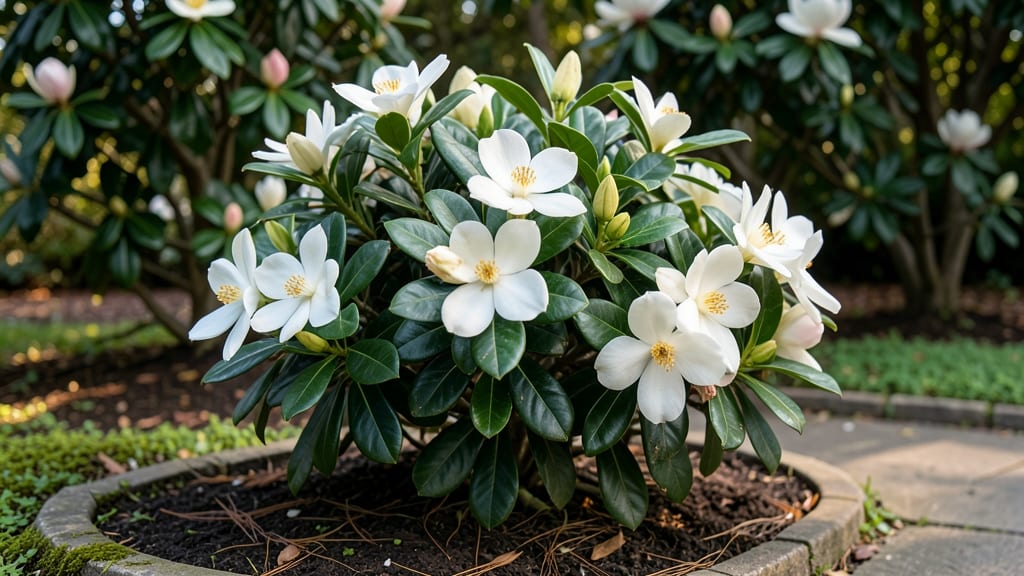
Gardenias grow to a mature height of 3 to 6 feet and spread 3 to 5 feet wide, depending on the variety and growing conditions—so yes, they’ll fit in most backyard spaces while still filling your garden with that signature intoxicating fragrance.
If you're dreaming of a lush, fragrant garden but worried about gardenia size limitations, you're in the right place—these tropical beauties thrive in controlled spaces while still delivering intoxicating blooms. The key is choosing the right cultivar and giving them the care they need to stay within your desired footprint.
Standard gardenias like Gardenia jasminoides can reach 6 feet tall with proper pruning, while dwarf varieties stay compact at just 1.5 to 3 feet.
Sunlight, soil acidity, and pruning habits all play a role in how big your gardenia grows, so let’s break down what you need to know to keep them manageable without sacrificing those stunning white blooms.
Below, I’ll cover everything from spacing recommendations to pruning techniques, so you can enjoy fragrant gardenias—whether you’ve got a sprawling yard or just a cozy patio corner. You’ll leave here knowing exactly how to nurture your gardenia to the perfect size for your space.
Gardenia mature size by variety: height, spread & growth habits
If you're planning your garden layout, knowing how big gardenias get is essential for creating a fragrant, well-balanced space. Gardenias are stunning shrubs known for their creamy white blooms and intoxicating scent, but their size varies dramatically by variety.
Some stay compact enough for containers, while others grow into tall, lush shrubs perfect for privacy screens.
The most common gardenia variety, Gardenia jasminoides, typically reaches 3 to 6 feet tall with a spread of 3 to 5 feet at maturity. However, dwarf varieties like 'Radicans' stay under 3 feet tall, making them ideal for small gardens or patio containers.
Understanding these differences helps you choose the perfect gardenia for your space.
| Variety | Mature Height | Mature Spread | Growth Rate | Best For |
|---|---|---|---|---|
| Gardenia jasminoides (Standard) | 4-6 ft | 3-5 ft | Moderate | Privacy screens, hedges |
| 'Radicans' (Dwarf) | 1.5-3 ft | 2-3 ft | Slow | Containers, small gardens |
| 'Kleim's Hardy' (Cold-Hardy) | 3-5 ft | 3-4 ft | Moderate | Northern climates, borders |
| Gardenia augusta (Large) | 6-10 ft | 5-8 ft | Fast | Tropical landscapes, large gardens |
| 'Fortuniana' (Trailing) | 2-4 ft | 4-6 ft | Moderate | Hanging baskets, trellises |
For Gardenia jasminoides, the most popular variety, expect a growth rate of 6 to 12 inches per year under ideal conditions.
This means a 3-foot-tall plant in its first year can reach 6 feet in 3 to 4 years if given proper care. Gardenia augusta, on the other hand, grows much faster and can reach 10 feet tall in just 5 years, making it better suited for large landscapes or tropical settings.
Dwarf varieties like 'Radicans' are perfect for small-space gardeners or those using container gardening. These gardenias stay under 3 feet tall and spread 2 to 3 feet wide, making them ideal for balconies, patios, or even as bushy accents in mixed borders.
Their slower growth rate also means they require less frequent pruning, saving you time and effort.
When planning your garden, consider the mature spread of gardenias, which is often just as important as height. A 6-foot-tall gardenia with a 5-foot spread will need plenty of space to avoid crowding other plants.
This is especially true for Gardenia augusta, which can spread up to 8 feet wide in ideal conditions. Always leave at least 3 to 4 feet of clearance around each plant for proper airflow and sunlight penetration.
Another factor influencing gardenia size is pruning habits. Regular pruning can control height and shape, encouraging bushier growth and more blooms.
For example, if you prune a standard gardenia back by one-third each year, you can keep it at 4 feet tall instead of letting it reach 6 feet. Just avoid heavy pruning in late summer or fall, as this can reduce next year's flower production.
Sunlight and soil conditions also play a role in gardenia size. While gardenias thrive in partial shade, they still need
Optimal gardenia spacing & planting tips for healthy growth
When planning your gardenia garden, proper spacing is the foundation for healthy growth. These tropical shrubs need room to breathe—literally! Without adequate airflow, gardenias become prime targets for fungal diseases like powdery mildew. I’ve learned the hard way that cramming them too close leads to leggy stems and fewer blooms.
Start by considering your gardenia’s mature size. Standard varieties like Gardenia jasminoides reach 4-6 feet tall and spread 3-5 feet wide. Dwarf varieties stay compact at 1.5-3 feet, making them perfect for small gardens or containers. Always check the tag for specific variety details!
- Standard gardenias need 4-6 feet of space between plants for proper airflow and sunlight penetration.
- Dwarf varieties require only 2-3 feet of spacing but still need room to expand their root systems.
- Plant gardenias 3-4 feet from structures like fences or walls to prevent root competition and improve airflow.
- For hedges, space plants 2-3 feet apart and prune regularly to maintain a uniform shape.
- In containers, choose pots at least 18-24 inches wide to accommodate root growth.
Sunlight is another critical factor. Gardenias thrive in partial shade—think 4-6 hours of morning sun followed by afternoon shade, especially in hot climates. I’ve noticed my gardenias bloom more profusely when they receive gentle, filtered light rather than harsh afternoon rays.
If planting in full sun, provide afternoon shade during peak summer months.
Pruning plays a huge role in controlling size without sacrificing those fragrant blooms. I prune my gardenias right after flowering (late summer or early fall) to shape the plant and encourage bushier growth.
Always use sterilized pruners and cut just above a leaf node at a 45-degree angle to promote faster healing. Never remove more than 1/3 of the plant in a single pruning session!
Seasonal care is key to maintaining optimal growth. In spring, I focus on fertilizing with an acid-loving plant food (like a 10-10-10 blend) to encourage new growth. During summer, I increase watering frequency to keep the soil consistently moist but never soggy.
In fall, I reduce watering and prune lightly to prepare for winter dormancy.
Remember, gardenias are slow growers—don’t rush their development. With the right spacing, sunlight, and care, your gardenias will reward you with glossy foliage and intoxicating blooms for years to come. Happy gardening! 🌿