
Light Requirements
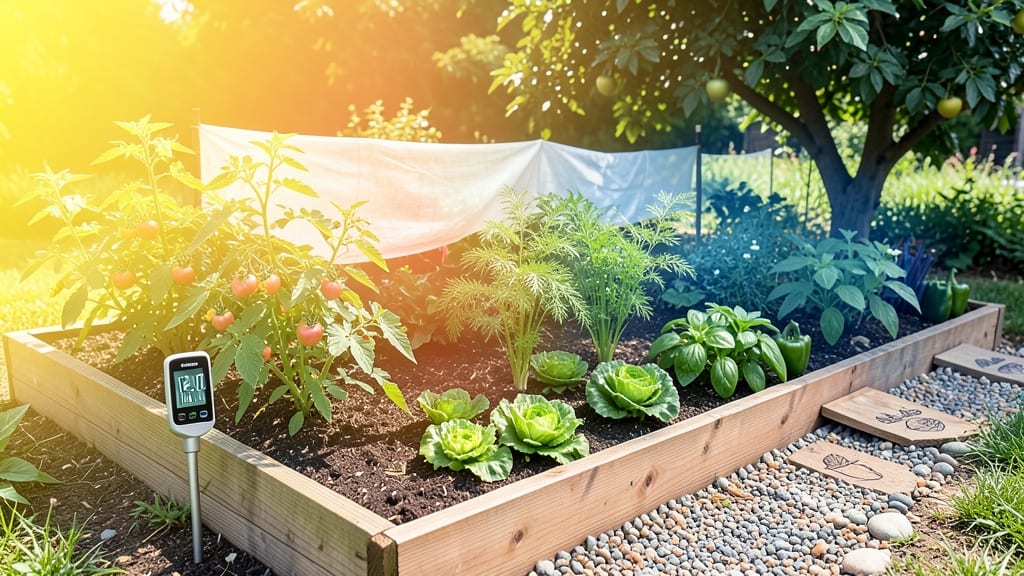
A veggie garden needs how much sun does a veggie garden need to thrive—specifically, 6 to 8 hours of direct sunlight daily—to produce strong, flavorful harvests—but getting it right can feel like solving a puzzle.
Too little sun and your tomatoes turn bitter; too much, and leafy greens bolt before you can pick them. The key is matching each plant’s needs to your garden’s light, whether you’re working with a sunny backyard or a shady corner.
Below, I break down exactly how much sunlight popular veggies like tomatoes, peppers, and lettuce need, plus smart ways to adjust your layout if your space isn’t perfectly bright.
You’ll learn how to spot sunlight problems early, choose shade-tolerant crops, and even turn partial shade into a productive spot.

Sunlight requirements by vegetable type: full sun vs. partial shade needs
Understanding sunlight requirements for your vegetable garden is like knowing the secret ingredient in a recipe—it makes all the difference.
Most gardeners assume full sun means 8+ hours of direct sunlight, but the truth is more nuanced. Leafy greens and herbs often thrive in partial shade, while tomatoes and peppers demand intense light.
Let’s break down the exact needs so you can place every plant perfectly for a thriving garden. ☀️
One of the biggest misconceptions about gardening is that all vegetables need the same amount of sun. In reality, fruiting plants like cucumbers and eggplants require 6-8 hours of direct sunlight to produce, while root vegetables like carrots and beets can handle 3-6 hours in partial shade.
Even within categories, there’s variation—basil wilts in intense afternoon heat, but rosemary thrives in it. Knowing these differences helps you avoid wasted space or struggling plants. 🌱
Climate plays a huge role in sunlight needs too. If you live in a hot, dry region, some plants may need afternoon shade to prevent leaf scorch. Conversely, in cooler climates, partial shade might mean more sunlight than you expect.
For example, 6 hours of sun in Arizona could feel like full sun, while the same in Seattle might be partial shade. Always adjust based on your local microclimate and seasonal shifts. 🌡️
Here’s a quick guide to help you visualize the sunlight needs of your favorite vegetables. Use this as a starting point, but don’t hesitate to experiment—some plants adapt surprisingly well to slightly different conditions!
| Vegetable Type | Sunlight Needs | Optimal Hours/Day | Shade Tolerance | Notes |
|---|---|---|---|---|
| Leafy Greens (Lettuce, Spinach, Kale) | Partial Shade | 3-6 hours | High | Bolt in heat; mulch to retain moisture. |
| Fruiting Plants (Tomatoes, Peppers, Eggplants) | Full Sun | 6-8+ hours | Low | Prune for airflow; use shade cloth in extreme heat. |
| Root Vegetables (Carrots, Beets, Radishes) | Partial Sun | 3-6 hours | Moderate | Keep soil loose; avoid overcrowding. |
| Herbs (Basil, Cilantro, Parsley) | Partial Sun | 4-6 hours | Moderate | Basil bolts in heat; harvest regularly. |
| Corn, Squash, Pumpkins | Full Sun | 8+ hours | Low | Plant in blocks; trellis vining varieties. |
| Green Beans, Peas | Full Sun to Partial Shade | 5-7 hours | High | Use trellises; tolerate cooler temps. |
For leafy greens, think of sunlight like a gentle breeze—too much can stress them out. Plants like spinach and kale prefer 3-4 hours of morning sun and afternoon shade, especially in hot climates.
If your garden gets intense afternoon heat, consider dappled shade from nearby trees or use shade cloth (30-50% coverage) to protect delicate leaves. I’ve seen lettuce bolt into flower within days if exposed to full sun during summer afternoons! 🌿
Fruiting plants
How to adjust your garden layout for different sunlight conditions
Even the most experienced gardeners struggle when sunlight shifts unexpectedly—whether due to new tree growth, a neighboring building, or seasonal changes. The key to success lies in flexible garden design that adapts to your space's natural light patterns.
By strategically placing plants, you can maximize yields even in partial shade or urban garden constraints. Start by observing your garden throughout the day to map sun exposure hotspots and shadows.
For example, if your garden has morning sun but afternoon shade, prioritize heat-loving crops like tomatoes and peppers in the sunniest morning spots, while shade-tolerant greens like kale or spinach thrive in the afternoon shade.
This simple adjustment can double your harvest without extra effort. The same logic applies to containers—rotate them weekly to ensure even light exposure.
🌱 Styled List: Sunlight Adjustment Strategies for Your Garden
- 🌞 Full-Sun Zones (6+ hours/day): Plant tomatoes, peppers, cucumbers and corn here—they crave intense light. Use vertical trellises to maximize space for vining plants.
- 🌿 Partial Shade (3-6 hours/day): Ideal for leafy greens, herbs (basil, parsley) and root veggies (carrots, beets). Pair with fast-growing crops like radishes for quick harvests.
- 🌳 Deep Shade (<3 hours/day): Reserve for microgreens, arugula, or mushrooms. Use reflective surfaces (like white walls) to bounce extra light onto plants.
- 🌆 Urban Hacks for Limited Sun: Grow dwarf varieties (e.g., bush beans, cherry tomatoes) in containers. Try succession planting—sow fast crops like lettuce every 2 weeks for continuous harvests.
- 🌿 Companion Planting Tips: Pair sun-loving tomatoes with shade-tolerant basil to create microclimates. Tall plants (like sunflowers) can shield smaller crops from harsh afternoon sun.
Don’t let uneven sunlight discourage you—even small adjustments can transform your garden. For instance, if your tomato plants are struggling in a partially shaded spot, try moving them to a south-facing container or prune nearby trees to let more light filter through.
Similarly, leafy greens in full sun may bolt (go to seed) prematurely, so provide afternoon shade with a lightweight shade cloth during peak summer heat.
For container gardens or balcony setups, rotate pots every 3–4 days to ensure all sides get equal light exposure. This is especially critical for herbs like basil, which can become leggy if tilted toward the sun.
Pair containers with reflective mulch (like white gravel) to enhance light penetration. Even in low-light urban spaces, you can grow a thriving garden by focusing on shade-tolerant varieties and maximizing vertical space.
Finally, embrace seasonal flexibility. In summer, when sunlight is intense, prioritize shade-loving crops like cucumbers or malabar spinach. In cooler months, move sun-hungry plants to sunnier spots or extend the season with row covers.
With these strategies, you’ll turn light limitations into opportunities for a diverse, productive garden. 🌿