
Watering
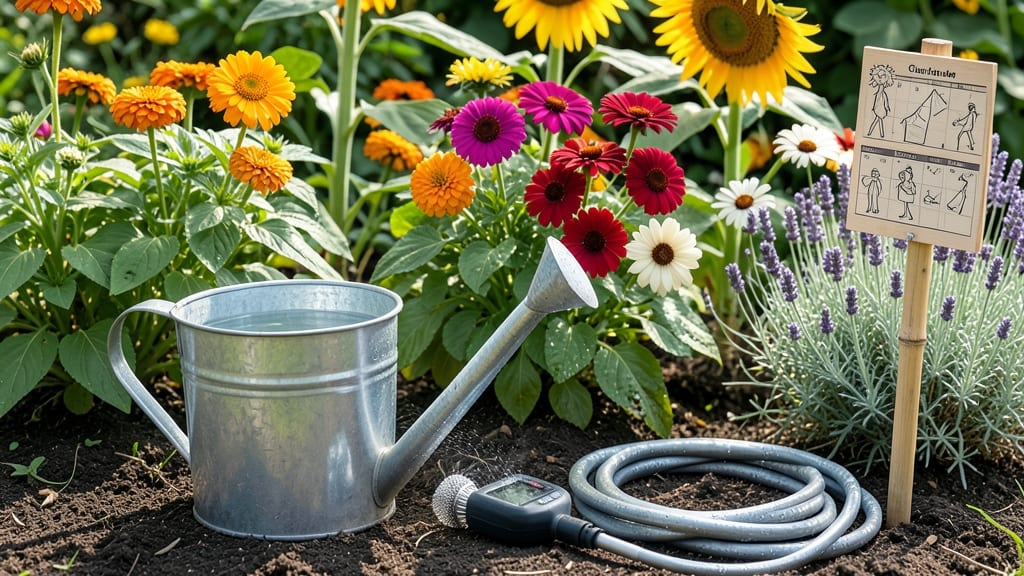
Watering your garden in summer the right way means knowing how often to water without drowning or starving your plants—because even a daily check can save your tomatoes from wilting by noon.
Summer’s scorching heat turns soil into a desert faster than you think, but most gardeners either drown their plants or let them thirst—both lead to the same sad result. The trick? A schedule that matches your plants’ needs, not just the weather forecast.
From vegetables that need deep soaks every 2-3 days to drought-tolerant perennials that barely need a drink, I’ll break down the science behind summer watering so you can keep your 🌱 garden thriving without guessing.
You’ll learn the best times to water, how to spot over- or under-watering before it’s too late, and why morning watering beats evening—plus, the one tool that cuts your watering time in half.
Summer watering schedule by plant type: how often each needs hydration
Summer’s heat turns watering from a routine into a science—your tomatoes might need daily hydration while your lavender thrives on neglect. The secret? Understanding each plant’s root depth and water needs.
Overwatering suffocates roots, while underwatering stresses plants before wilting even begins. I’ll break down exactly how often to water by plant type, plus visual cues to catch thirsty plants early.
Most gardeners fail at summer watering because they rely on a one-size-fits-all schedule. Instead, I’ve categorized plants into four hydration groups: vegetables, flowers, shrubs, and trees. Each has unique needs—leafy greens wilt faster than succulents, and young trees need deeper watering than mature ones.
Let’s dive into the science behind these schedules, including deep-watering techniques to build strong root systems.
🌱
Your vegetables like tomatoes and peppers are the thirstiest—water them deeply every morning to prevent blossom-end rot. Use a soaker hose or drip irrigation to deliver water directly to roots, reducing evaporation.
For leafy greens, shallow watering encourages shallow roots; instead, water until the soil is moist 6 inches down. A simple trick? Stick your finger 1 inch into the soil—if it’s dry, water immediately.
For flowers, divide your attention between water-loving varieties (like petunias) and drought-tolerant types (like lavender). Overwatering petunias causes root rot, while lavender needs minimal summer watering—just enough to keep soil slightly moist.
Always water at the base of the plant, not the foliage, to prevent fungal diseases like powdery mildew. A mulch layer of 2-3 inches helps retain moisture and keeps roots cool.
💧
Shrubs and trees often get neglected because their slow growth masks dehydration. Newly planted shrubs need daily watering for the first two weeks to establish roots, while mature shrubs like boxwoods thrive on weekly deep watering.
Trees, especially young ones, benefit from circular watering patterns that extend beyond the drip line. A tree watering bag (like those used for bonsai) can deliver slow, consistent moisture to deep roots. Watch for leaf scorch—brown, crispy edges mean your tree is thirsty.
Herbs often surprise gardeners with their diverse water needs. Basil and cilantro love consistent moisture, while rosemary and thyme prefer drier conditions. The key is morning watering—this prevents fungal growth and gives plants time to dry out during the day.
For potted herbs, check soil moisture daily; if the top inch feels dry, water until it drains from the bottom. A self-watering planter can help maintain ideal moisture levels without overwatering.
Finally, don’t forget the soil test trick: press your finger into the soil. If it crumbles easily, water again. If it sticks together, wait a day. Adjust your schedule based on weather forecasts—hold off on watering if rain is expected.
With this plant-specific schedule, your garden will stay lush, not wilted, all summer long.
☀️
5 Signs your garden is over- or under-watered (and how to fix it fast)
Summer’s heat tricks even experienced gardeners into over- or under-watering, and the results are often visible within days. Wilting leaves or mushy stems scream for attention, but subtle clues—like yellowing foliage or powdery mildew—can signal deeper problems. The good news?
Most issues are reversible with quick adjustments. Start by checking your soil moisture with the finger test: Stick your index finger 1-2 inches deep. If it feels dry, it’s time to water; if it’s soggy, hold off.
Overwatering is just as deadly as underwatering, especially in summer’s heat. Root rot thrives in waterlogged soil, turning healthy plants into sad, droopy messes. Look for dark, mushy roots or white fungal growth at the soil line—these are red flags.
On the flip side, crispy leaf edges or plants wilting by midday mean your garden is thirsty. The key is balance: deep, infrequent watering encourages strong roots, while light, frequent sprinkles keep the surface moist but invite pests.
- 1. Touch Test: Press soil—if dry 1 inch deep, water deeply. If wet, wait 2-3 days.
- 2. Mulch Magic: Add 2-3 inches of mulch to retain moisture and cool roots.
- 3. Adjust Timing: Water early morning (6-9 AM) to reduce evaporation and fungal risks.
- 4. Drainage Check: Ensure pots have drainage holes and raised beds aren’t waterlogged.
- 5. Plant-Specific Care: Succulents need once-weekly water; tomatoes crave daily hydration.
Yellowing leaves are a classic sign of overwatering, but they can also mean nutrient deficiency or too much sun. Check the pattern: Lower leaves yellowing often signals root stress, while upper leaves turning yellow may point to over-fertilization.
For underwatered plants, leaves may curl or feel papery to the touch. In both cases, adjust your watering schedule and monitor for 2-3 days to see if the plant perks up. If not, consider repotting or transplanting to fresher soil.
Fungal diseases like powdery mildew or black spot flourish in humid, overwatered conditions. You’ll spot them as white powder or dark spots on leaves. Prune affected areas immediately and space plants for better airflow. For underwatered plants, leaf drop or stunted growth are common.
The fix? Water deeply at the base (not overhead) and mulch heavily to lock in moisture. Avoid watering in the evening to prevent fungal spores from spreading overnight.
Containers dry out faster than in-ground gardens, so check them daily in summer. If the soil feels bone-dry within an inch, it’s time to water. For heavy clay soil, water more frequently but in shorter bursts to avoid compaction.
Sandy soil drains quickly, so water lightly but often. Adjust your routine based on weather forecasts: If rain is predicted, skip watering; if a heatwave hits, increase frequency. Drip irrigation or soaker hoses deliver water efficiently, while sprinklers waste moisture through evaporation.
Don’t wait for plants to collapse before acting. Daily checks in summer save time and effort. Start with the touch test, then adjust based on plant type and weather. With these fixes, your garden will thrive even in the hottest months—no guesswork required! 🌱