
Landscaping
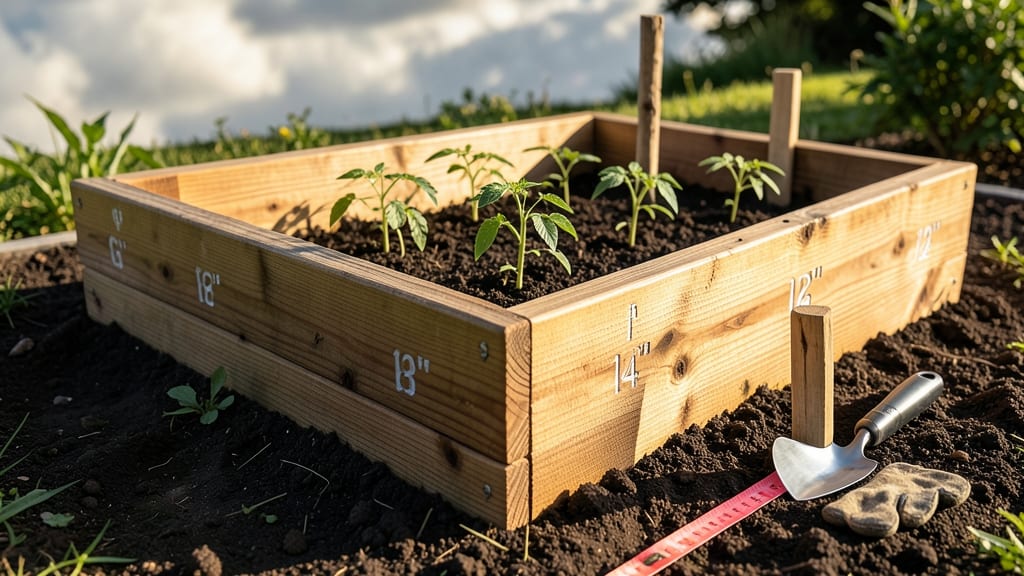
To make raised garden beds the right height, you’ll need to balance root space, accessibility, and plant needs—because a bed that’s too shallow stunts growth, while one that’s too tall becomes a backache waiting to happen.
Picture this: you’re knee-deep in soil (literally) after a morning of planting, and your back protests by lunchtime. That’s the reality when you ignore ergonomics in your design. The truth is, the ideal height depends on what you’re growing, who’s gardening, and how much soil you’re willing to haul.
For most vegetables, 6 to 12 inches is the sweet spot—enough depth for carrots and radishes while keeping weeds manageable. But deep-rooted plants like asparagus or corn demand 18 inches or more, and accessibility matters just as much.
We’ll break down the best heights for your plants, your body, and your long-term success.
By the end, you’ll know exactly how tall to build your 🌱 raised garden bed—whether you’re growing herbs in containers or planning a full-scale vegetable patch—so you can focus on what matters: a thriving garden with minimal effort.


Optimal raised garden bed height for root space and plant types
When planning your raised garden beds, height isn’t just about convenience—it’s about giving your plants the root space they need to thrive. A bed that’s too shallow will stunt growth, while one that’s too tall can create maintenance challenges.
The ideal height depends on your plant types and their root systems, with most gardeners opting for 6 to 18 inches of soil depth.
For shallow-rooted plants like lettuce, radishes, and herbs, a 6 to 12-inch bed provides plenty of room. These plants have minimal root systems and don’t need deep soil to flourish. Meanwhile, deep-rooted crops such as tomatoes, carrots, and asparagus require 12 to 18 inches of soil to develop fully.
The extra depth ensures they can access nutrients and water without becoming root-bound.
Here’s how height impacts your garden’s success:
| Plant Type | Root Depth | Recommended Bed Height | Soil Volume (per sq ft) | Key Considerations |
|---|---|---|---|---|
| Herbs (basil, parsley, cilantro) | 6–12 inches | 6–10 inches | 1–2 cubic feet | Fast-growing, shallow roots; prioritize drainage. |
| Leafy Greens (spinach, kale, lettuce) | 6–12 inches | 8–12 inches | 1.5–2 cubic feet | Moisture-retentive soil; avoid waterlogging. |
| Tomatoes, Peppers, Eggplants | 18–24 inches | 12–18 inches | 3–4 cubic feet | Sturdy support needed; deep roots for stability. |
| Carrots, Beets, Radishes | 12–18 inches | 12–18 inches | 2–3 cubic feet | Loose, stone-free soil; prevent forking. |
| Asparagus, Corn, Potatoes | 24+ inches | 18–24 inches | 4–6 cubic feet | Heavy feeders; amend soil with compost annually. |
| Flowers (marigolds, zinnias, sunflowers) | 6–12 inches | 6–10 inches | 1–2 cubic feet | Bright colors thrive in well-draining, nutrient-rich soil. |
The soil volume in your raised bed directly impacts nutrient retention and moisture levels. A deeper bed holds more organic matter, which improves water retention and reduces the need for frequent watering.
For example, a 12-inch-deep bed with a 4x8-foot footprint contains about 32 cubic feet of soil, while an 18-inch-deep bed holds nearly 48 cubic feet. This extra volume is crucial for heavy feeders like tomatoes or asparagus, which deplete nutrients quickly.
Another key factor is drainage. Raised beds naturally drain better than in-ground plots, but the height affects how quickly excess water escapes.
A 6-inch bed may dry out faster in hot climates, requiring more frequent watering, while an 18-inch bed retains moisture longer, benefiting drought-tolerant plants like lavender or rosemary. Always include a drainage layer (like landscape fabric or gravel) at the bottom to prevent waterlogging.
For accessibility, consider your height and gardening style. A 10-inch-tall bed is ideal for most adults, allowing you to kneel comfortably without straining. If you’re gardening with children or have mobility concerns, opt for 12-inch-tall beds with built-in seating or knee pads.
Conversely, taller beds (up to 24 inches) are better for deep-rooted plants but may require additional support to prevent tipping.
Pro tip: If you’re unsure about your bed’s height, start with a 12-inch depth—it’s versatile enough for most vegetables and herbs while leaving room for future adjustments.
You can always add more soil later if needed, but you can’t dig deeper once the bed is built. Soil quality matters just as much as depth, so mix in compost and aged manure to ensure your plants have the nutrients they need to thrive.
Remember, the right height isn’t just about the numbers—it’s about creating an environment where your plants can grow strong and healthy. Experiment with different heights in your garden to see what works best for your climate and plant varieties. Happy gardening! 🌱
How to choose raised bed height based on your plants and soil
Selecting the right height for your raised garden beds isn’t a one-size-fits-all decision. The ideal height depends on what you’re growing, your soil quality, and even your physical comfort.
For example, shallow-rooted plants like lettuce or herbs thrive in beds just 6-12 inches deep, while deep-rooted crops such as asparagus or corn need 18-24 inches of soil to flourish. Let’s break down how to choose the perfect height for your specific needs.
Your soil type plays a crucial role too. Sandy soil drains quickly and may require deeper beds to retain moisture, while clay-heavy soil benefits from taller beds to improve drainage.
Additionally, consider your accessibility—knee-friendly heights (around 18-24 inches) make gardening easier for older adults or those with mobility challenges. Let’s explore these factors step-by-step to help you make an informed choice.
- 🌱 6-12 inches
- Ideal for: Herbs, leafy greens, strawberries, and shallow-rooted flowers
- Best for: Small gardens, container-like beds, or intensive planting
- 🌿 12-18 inches
- Ideal for: Tomatoes, peppers, carrots, and medium-rooted veggies
- Best for: Balanced root growth, easy maintenance, and knee-friendly gardening
- 🌳 18-24 inches
- Ideal for: Asparagus, corn, potatoes, and deep-rooted perennials
- Best for: Heavy feeders, long-term soil health, and drought-prone areas
- 🪴 24+ inches
- Ideal for: Tree saplings, large shrubs, or experimental deep-rooted crops
- Best for: Specialized gardens or highly amended soil needs
If you’re growing a mix of plants, consider creating zoned beds with varying heights. For instance, dedicate one side of a 12-inch-deep bed to lettuce and the other to carrots.
This approach maximizes space while catering to each plant’s needs. Just ensure the bed’s width doesn’t exceed 4 feet—this keeps the center accessible without trampling soil.
Don’t overlook the importance of drainage and soil quality. Taller beds (18+ inches) help prevent waterlogging, which is critical for plants like potatoes or asparagus. For sandy soil, add organic matter like compost or coconut coir to improve moisture retention.
If your soil is clay-heavy, mix in perlite or vermiculite to enhance aeration and drainage.
For accessibility, aim for a bed height that aligns with your comfort. A 12-inch height is ideal for most adults, while 18-inch beds reduce bending and are perfect for those with back issues.
If you’re gardening with kids, consider 6-inch-tall beds so little hands can reach the soil without strain. Pro tip: Use removable lumber or adjustable frames to customize heights as your needs evolve.
Finally, think about the long-term health of your garden. Deeper beds allow for better soil aeration and microorganism activity, which boosts plant growth. If you’re planting perennials like asparagus, invest in a 24-inch-deep bed—it’ll pay off with years of harvests.
For annuals, a 12-inch depth is usually sufficient, but always check the root depth requirements of your chosen plants.