
Watering
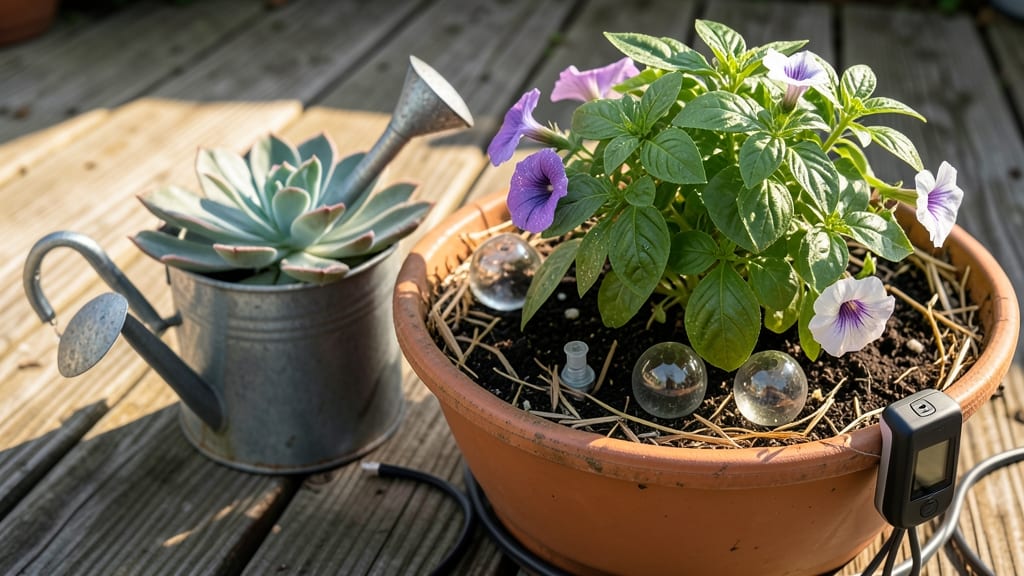
To water your garden when you're away without stressing over dried-up 🌱 beds, start with a system that matches your trip length and budget.
Picture this: you return to find your tomato plants drooping or your herbs crispy from neglect—not because you forgot, but because the wrong method left them thirsty or drowning. The right approach keeps your garden hydrated, not waterlogged, while you're gone.
From simple DIY hacks like repurposed plastic bottles to high-tech drip irrigation, I’ll walk you through the best ways to automate watering—whether you’re away for a weekend or a month. No green thumb required, just smart prep.
You’ll learn how long different plants can survive without water, which tools save the most effort, and how to avoid the most common mistakes that turn your garden into a sad, brown memory.
Best self-watering systems for vacation-proof gardens
When you’re planning a trip, the last thing you want is to return to a garden full of wilting herbs and drooping flowers. The right self-watering system can keep your plants hydrated for days—or even weeks—without requiring constant attention.
Whether you prefer low-tech solutions or smart automation, there’s an option to fit every budget and garden size.
I’ve tested everything from passive wicking beds to Wi-Fi-enabled timers, and here’s what works best for different plant types and trip lengths. The key is matching your system to your garden’s water needs, soil type, and climate conditions.
Below, I’ve broken down the top self-watering methods, including their pros, cons, and the types of plants they’re best suited for. Use this as your guide to choose the perfect system for your vacation-proof garden—so you can relax without worrying.
For vegetable gardens or herb containers, a drip irrigation system is my top recommendation. These systems deliver water directly to the roots, reducing waste and evaporation. They’re ideal for trips lasting up to two weeks, especially in hot climates where plants dry out faster.
If you’re growing succulents or drought-tolerant perennials, a wicking bed might be overkill—but it’s perfect for leafy greens like lettuce or basil. The passive design means no electricity or timers are needed, making it a low-maintenance option for small gardens or container setups.
Oasis soaker hoses are a budget-friendly alternative for flower beds or ground covers. They work by slowly releasing water along their length, which is great for plants that prefer consistent moisture without deep watering. However, they’re less precise than drip systems, so I recommend using them for non-edible plants or areas where slight overwatering won’t cause issues.
For the ultimate in convenience, smart timers let you control watering from your phone. These systems can adjust based on weather forecasts or soil moisture sensors, making them perfect for long trips or gardeners who want hands-off control.
The downside? They’re pricier and require a stable Wi-Fi connection.
If you’re only away for a weekend or have a few potted plants, self-watering globes are a game-changer. These small, affordable devices fit into the soil and release water gradually. They’re perfect for herbs like thyme or parsley but won’t work for large garden beds.
No matter which system you choose, always mulch your garden before leaving. A thick layer of mulch helps retain soil moisture and reduces evaporation, giving your plants an extra buffer. Pair this with closing blinds or using shade cloth on sunny windows, and your garden will stay hydrated even longer.
Pro tip: Test your system a
DIY self-watering hacks using household items
When you're heading out of town, don't let your herbs and vegetables suffer from thirst. With just a few household items, you can create simple self-watering systems that keep roots hydrated for days. These budget-friendly hacks require zero special tools—just creativity and repurposed materials.
My favorite go-to is the plastic bottle trick, perfect for potted plants like basil or tomatoes. You’ll need empty bottles, a utility knife, and some patience. This method works especially well for container gardens where roots are confined and dry out faster.
💧 3 Easy DIY Self-Watering Systems
-
Plastic Bottle Drip System
Best for: Herbs, small veggies, flowers -
Terracotta Pot Wick
Best for: Succulents, drought-tolerant plants -
Sponge Reservoir Hack
Best for: Seedlings, delicate flowers
For the plastic bottle system, cut the top off a 2-liter bottle, flip it to create a funnel, and bury it neck-down in the soil. Fill it with water—the bottle will slowly release moisture through the cut edges.
This works best for medium-sized pots and can last 3-5 days depending on heat levels.
If you're growing succulents or drought-resistant plants, try the terracotta pot wick. Place a terracotta pot upside down in a larger container filled with water. Thread a cotton rope through the pot's drainage hole and into the soil of your plant.
The pot absorbs water and releases it gradually—ideal for low-maintenance gardens.
For delicate seedlings or flowering plants, the sponge reservoir is a lifesaver. Soak a kitchen sponge in water, place it near the roots, and cover with a thin layer of mulch.
The sponge acts like a sponge (literally!) releasing moisture over 1-2 days. This method is perfect for indoor herb gardens or balcony flowers.
Remember to mulch heavily before leaving—this slows evaporation and keeps soil moist longer. Avoid placing watering systems in direct midday sun, as heat accelerates water loss. With these simple hacks, your garden will stay hydrated while you're away, without a single wilted leaf in sight!