
Advice
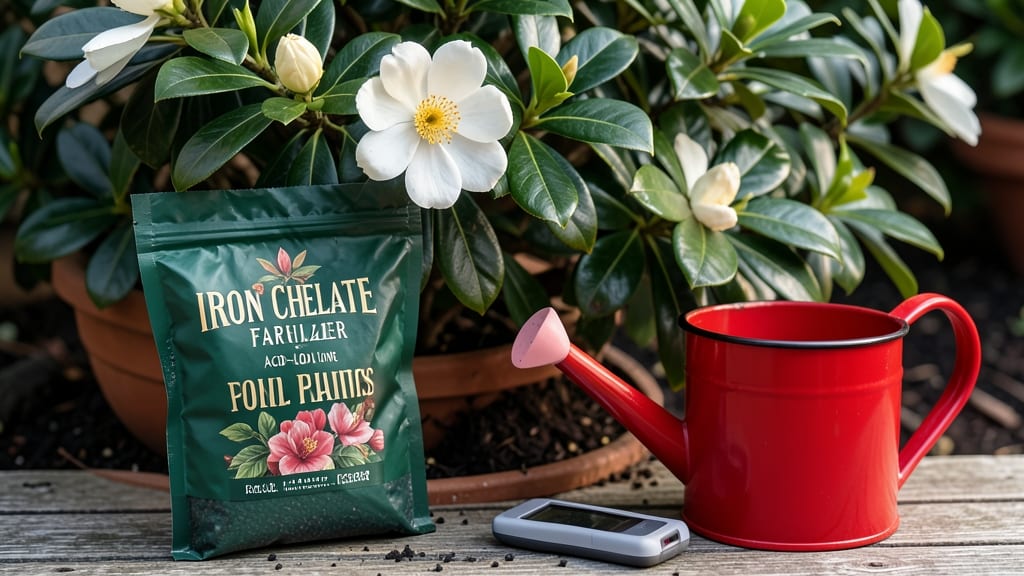
Your gardenias need iron to keep their leaves lush and green, and without it, those 🌸 blooms turn into a sad, yellowing mess.
Picture this: You’ve been watering, fertilizing, and even pruning your gardenias just right, yet the leaves still look like someone drained the color. That’s iron deficiency talking—and it’s more common than you’d think, especially in General (USDA Zone 9b) soils that aren’t acidic enough.
Iron deficiency, or chlorosis, happens when your gardenias can’t absorb enough iron from the soil, often because the pH is too high or the iron isn’t in a form they can use.
The good news? Fixing it is easier than you’d expect, and in three simple steps, you can bring those leaves back to their vibrant best.
Below, I’ll walk you through how to spot the signs, choose the right iron supplement, and apply it correctly—so your gardenias can go from lackluster to lush in no time.
Why gardenias need iron: signs of deficiency and root causes
If your gardenias are developing yellow leaves with dark green veins, you're likely dealing with iron chlorosis. This common issue occurs when your plants can't absorb enough iron from the soil, despite its presence.
Gardenias, native to acidic environments like Southeast Asia, thrive when soil pH stays between 5.0–6.0. When pH rises above 7.0, iron becomes locked away, leaving your plants starving for this essential nutrient.
The problem isn't always about iron levels—it's about availability. Even iron-rich soils can fail to nourish gardenias if the soil is too alkaline. Without proper iron, your plants can't produce chlorophyll, leading to that telltale yellowing.
This deficiency weakens the plant's overall health, reducing blooms and making it more susceptible to pests and diseases.
Here’s what you need to know about iron deficiency symptoms and why they happen in gardenias:
The most common cause of iron deficiency in gardenias is alkaline soil, often found in regions with limestone bedrock or areas where builders have used lime-rich fill dirt. Even if you've added compost, high pH can neutralize its benefits.
Another culprit is overwatering, which creates waterlogged conditions that prevent roots from accessing nutrients efficiently. Gardenias also struggle in containers with old, depleted potting mix that hasn't been refreshed in years.
Let’s talk about why soil pH matters. Iron exists in two forms: ferrous (Fe²⁺), which plants can absorb, and ferric (Fe³⁺), which they can't. In acidic soil (pH 5.0–6.0), iron stays in its absorbable form.
But when soil becomes alkaline (pH 7.0+), iron oxidizes into ferric form, making it inaccessible. This is why gardenias—native to acidic, volcanic soils—often show deficiency symptoms in calcareous soil or after heavy rainfall leaches away organic matter.
Another surprising cause is excessive nitrogen from fertilizers. While nitrogen promotes leafy growth, it can actually compete with iron uptake, worsening deficiency symptoms. If you've been using high-nitrogen fertilizers like lawn food or blood meal, this could be the hidden reason your gardenias are struggling.
The solution? Switch to a balanced fertilizer (like 6-6-6) and focus on iron supplements.
Don’t overlook root damage as a potential cause. Compacted soil, construction activity near plantings, or even gopher activity can harm roots, reducing their ability to absorb nutrients. If your gardenias are in a high-traffic area or near sidewalks, roots may have been physically damaged during installation.
Always check for root health when diagnosing deficiency issues—healthy roots are the first line of nutrient absorption.
One final cause to consider is water quality. If your tap water has high calcium or magnesium levels (common in hard water areas), it can raise soil pH over time, locking out iron.
Before applying iron supplements, test your water pH and consider using rainwater or distilled water for watering gardenias. This simple change can make a big difference in nutrient availability.
Now that you understand the symptoms and root causes, you're ready to take action. The good news? Iron deficiency in gardenias is reversible with the right approach. In the next section, we'll explore the best iron supplements—from chelated iron to organic options—and how to apply them for maximum effectiveness.
Your gardenias will be back to their fragrant, vibrant best in no time! 🌸
Best iron supplements for gardenias: chelated vs. non-chelated options
When your gardenias develop yellow leaves with green veins, it’s a classic sign of iron chlorosis. The good news? Iron supplements can turn things around quickly. But not all iron sources work equally—chelated iron vs. non-chelated options behave very differently in your soil.
Let’s break down the best choices for fast recovery without burning your plants.
Chelated iron (like EDDHA) is the gold standard for gardenias because it’s water-soluble and pH-stable. This means it won’t precipitate in alkaline soils (common in many gardens) and stays available for roots to absorb.
Non-chelated options like iron sulfate can work in the short term but often oxidize and become useless in high-pH soils. Organic options like liquid seaweed extracts are gentler but require more frequent applications.
Here’s how they stack up for your gardenias:
For the fastest results, I recommend starting with a foliar spray of chelated iron (like Ironite or Sequestrene) every 2 weeks until the yellowing stops. Mix 1 tsp per gallon of water and apply in the early morning to avoid leaf burn.
If your soil is alkaline (pH above 7.0), chelated iron is your only reliable option—non-chelated forms will just sit in the soil as rust-colored gunk.
Organic gardeners swear by liquid seaweed extracts, which also boost root growth and stress resistance. However, they’re less concentrated, so you’ll need to apply them more often. For example, use 1 oz per gallon of water every 2 weeks during active growth.
Pair this with a soil drench of compost tea to improve microbial activity and iron availability naturally.
Pro tip: Always water your gardenias deeply before applying iron supplements. Moist soil helps roots absorb nutrients more efficiently. And if you’re dealing with calcareous soil (common in many suburban areas), consider adding elemental sulfur to lower the pH gradually—this makes iron more accessible over time.
Just remember, pH changes take 3–6 months to stabilize.
🌿