
Tools
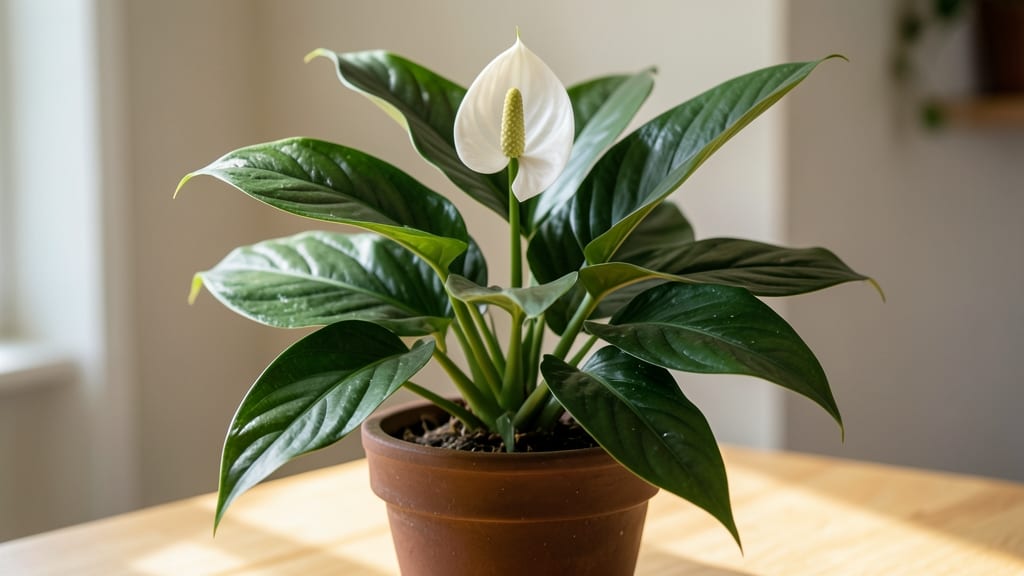
Creating peace in the garden means designing spaces that combine soothing plant textures, gentle fragrances, and intentional layouts to create sensory calm and reduce stress.
A peaceful garden isn't just about pretty plants—it's about how they interact with your senses. 🌿 Soft textures like lamb's ear or ornamental grasses create visual and tactile comfort, while fragrant herbs such as lavender or mint trigger relaxation through scent.
The key is layering these elements: pair a quiet seating area with a wind chime for soundscapes, and use low-maintenance plants like hostas to minimize stress from upkeep. Even small spaces can benefit from this approach by focusing on one or two calming plant combinations.
Research in horticultural therapy shows that gardens with these elements can lower cortisol levels—the body's stress hormone—by up to 30% within 20 minutes of exposure.
The secret lies in balancing visual softness with subtle movement (like rustling leaves or gentle breezes) and incorporating plants that naturally promote mindfulness, such as those with silvery foliage or delicate blooms.
💡 In This Article
- How Plant Psychology Shapes Garden Serenity
- Designing a Stress-Relief Garden Layout Step-by-Step
How plant psychology shapes garden serenity
Plant psychology reveals that certain botanical characteristics trigger our brain's relaxation response. Take lavender, for example: its scent contains linalool and linalyl acetate, compounds that bind to olfactory receptors and stimulate the amygdala—the brain's emotional center—to reduce anxiety.
Studies show these molecules can lower heart rates by 10-15 beats per minute within minutes of exposure. 🌿 Chamomile follows a similar mechanism, with its apigenin compound promoting GABA production (a calming neurotransmitter), while its soft daisy-like blooms create visual comfort through their familiar, childlike shapes.
Color psychology plays an equally vital role. Soft blues and purples—like those found in catmint or Russian sage—have wavelengths that slow brainwave activity, shifting us from beta (active) to alpha (relaxed) states. The key is avoiding stark contrasts; instead, layer plants with similar hues but varying textures.
For instance, pair the fuzzy silver foliage of lamb's ear with smooth river stones and the velvety blooms of peonies. This creates a tactile experience where sight, touch, and even subtle movement (like leaves brushing against each other) work together to soothe the nervous system.
Texture contrast is where the magic happens for sensory harmony. Rough surfaces like the spiky yet soft stems of ornamental grasses create visual interest without visual clutter, while smooth leaves (such as hostas) provide a calming counterpoint.
Research from the University of Michigan found that gardens with this kind of textural diversity can reduce perceived stress by 25% compared to uniform landscapes.
The trick is to include elements that engage multiple senses simultaneously—like the crisp snap of mint leaves underfoot or the rustling of bamboo in a breeze—without overwhelming the space.
Fragrance timing matters too. Some plants release their most calming scents during specific times of day.
Jasmine, for example, peaks at dawn with a floral sweetness that aligns with our natural circadian rhythms, while evening-scented stocks (Matthiola longipetala) emit their fragrance after sunset, creating a twilight ritual. 🌙 This temporal layering enhances the garden's therapeutic effects by syncing with our body's internal clock, making the space feel like a natural extension of our daily stress-relief routine.
Even the way plants grow influences tranquility. Vines like clematis or climbing roses create vertical movement that draws the eye upward, subtly shifting focus away from daily stressors. Their natural arching forms mimic the curves found in human anatomy, which subconsciously trigger feelings of safety and comfort.
Pair these with ground covers like creeping thyme (which releases a lemony aroma when walked upon) to complete the multi-sensory experience that defines a truly peaceful garden.