
Landscaping
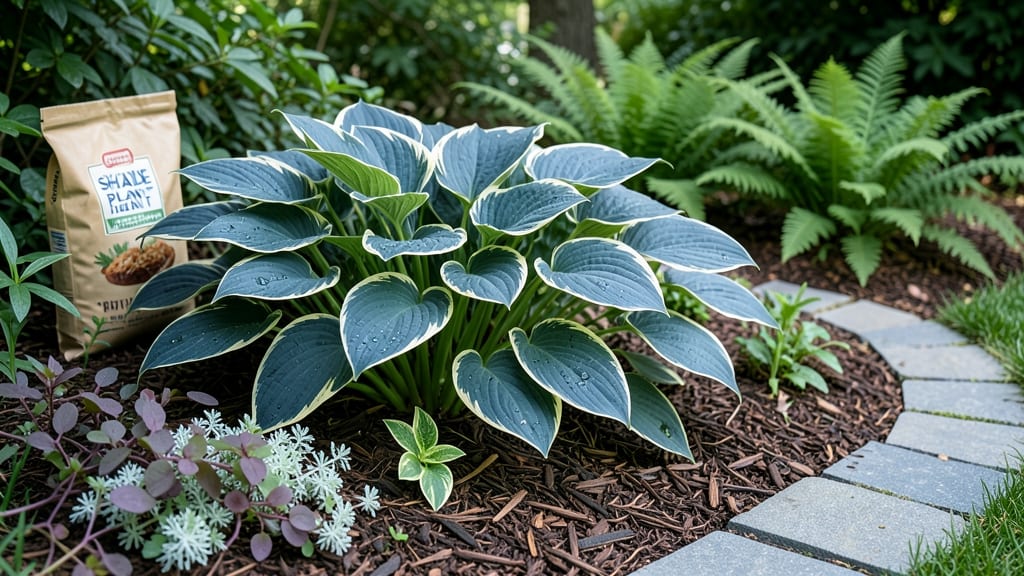
Zone 6 shade garden ideas can be just as lush and vibrant as sun-soaked plots, if you know which plants to choose and how to layer them for year-round interest.
Struggling to create a vibrant garden in Zone 6’s shaded spots? With the right shade-tolerant plants, you can transform dark corners into lush, colorful retreats that thrive year-round—no direct sunlight required.
Many gardeners assume shade means dull, but the opposite is true: the best shade gardens use textures, foliage, and strategic blooms to create depth and drama. Think heucheras with their jewel-toned leaves, astilbes for soft plumes, and hostas for bold structure.
In this guide, I’ll walk you through plant selection, layered design tricks, and seasonal care tips to keep your Zone 6 shade garden thriving from spring through fall.
 Best Window Placement
Best shade-loving plants for Zone 6 year-round color
Zone 6 gardens often face challenging shade conditions, but with the right shade-tolerant plants, you can create a vibrant, low-maintenance retreat. The key lies in selecting perennials, annuals, and ground covers that thrive in partial to full shade while offering year-round visual interest.
From hostas with lush foliage to heucheras with striking colors, these plants bring life to even the darkest corners.
For Zone 6 hardiness, focus on plants that tolerate cool summers and cold winters without fuss. Many of these shade-loving varieties also attract pollinators, repel pests, and require minimal care once established.
Let’s explore the best options categorized by bloom season and foliage types to ensure your garden stays colorful and dynamic throughout the year.
🌱 Pro Tip: Always amend your shade garden soil with organic compost to improve drainage and fertility—shade plants often struggle in compacted or acidic soil. A 2-3 inch layer of mulch will also help retain moisture and suppress weeds.
| Plant Type | Bloom Season | Light Needs | Mature Size | Zone 6 Care Tips |
|---|---|---|---|---|
| Hostas (e.g., 'Blue Angel') | Summer | Partial to full shade | 1-3 ft tall, 2-4 ft wide | Water weekly; divide every 3-4 years. |
| Heucheras (e.g., 'Palace Purple') | Spring/Summer | Partial shade | 1-2 ft tall, 1-2 ft wide | Drought-tolerant; prune dead foliage in early spring. |
| Astilbes (e.g., 'Fanal') | Summer to Fall | Partial to full shade | 1.5-3 ft tall, 1.5-2 ft wide | Keep soil moist; cut back after blooming. |
| Ferns (e.g., 'Ostrich Fern') | Year-round (foliage) | Full shade | 2-4 ft tall, 2-3 ft wide | Water regularly; protect from winter winds. |
| Shade-Tolerant Bulbs (e.g., 'Snowdrops') | Early Spring | Full shade | 4-6 in tall, spreads slowly | Plant fall; minimal care after planting. |
| Lungwort (Pulmonaria) | Spring | Partial to full shade | 1-2 ft tall, 1-2 ft wide | Tolerates dry shade; deadhead spent blooms. |
| Japanese Painted Fern | Year-round (foliage) | Partial to full shade | 1.5-2 ft tall, 2-3 ft wide | Water consistently; divide every 4-5 years. |
For spring color, prioritize heucheras and lungwort, which offer bold foliage and early blooms. In summer and fall, hostas and astilbes take center stage with their lush leaves and feathery plumes.
Don’t overlook shade-tolerant bulbs like snowdrops or hellebores, which bloom in late winter or early spring
Layered shade garden design strategies for Zone 6
A layered shade garden creates depth and visual interest while making the most of limited sunlight. In Zone 6's partial to full shade, the key is selecting plants that thrive in low light while structuring them in three distinct layers: tall, mid-height, and ground cover.
This approach not only maximizes space but also ensures year-round color and texture.
Start by assessing your shade conditions—dappled shade (filtered sunlight) allows for more plant options than deep shade (no direct light). Amend your soil with organic matter like compost or leaf mold to improve drainage and fertility, which is critical for shade-loving plants.
A 3-inch mulch layer will also help retain moisture and suppress weeds.
🌿 Layered Shade Garden Blueprint
- Tall Layer (4-6 ft): Use tree ferns or Japanese maples as focal points. These thrive in shade and add height without stealing light from lower plants.
- Mid-Height Layer (2-3 ft): Incorporate hostas, heucheras, or astilbes for seasonal blooms. Choose varieties with foliage contrast (e.g., purple hostas with silver foliage).
- Ground Cover Layer (under 1 ft): Plant ajuga, foamflower, or wild ginger to fill gaps and prevent soil erosion. These spread quickly and add texture.
- Seasonal Interest: Add spring bulbs (e.g., glory-of-the-snow) and fall foliage (e.g., Japanese anemone) to ensure color year-round.
- Winter Structure: Include evergreen shrubs like inkberry holly or dwarf rhododendrons to provide year-round interest and form.
Plan for seasonal transitions by layering plants with staggered bloom times. For example, pair early spring bloomers like bleeding heart with summer astilbes and fall Japanese anemones. This ensures your garden remains vibrant from March through November, even in shade.
When designing, leave 12-18 inches of space between mid-height plants and 24 inches between tall plants to allow for airflow and future growth. Group plants with similar water needs together to simplify maintenance. For instance, hostas and heucheras prefer consistent moisture, while sedum and ajuga are more drought-tolerant.
Finally, incorporate hardscape elements like stepping stones or a small bench to define layers and create functional spaces. A water feature, such as a bubbling rock fountain, adds movement and attracts wildlife, enhancing the garden’s tranquility.
With these strategies, your Zone 6 shade garden will become a lush, dynamic retreat.
🌱