
Vegetables
Stan Hywet Hall and Gardens in Akron, Ohio, showcases a 67-acre National Trust estate featuring stunning formal gardens, serene woodland trails, and a Gilded Age mansion filled with 28,000+ rare plants and Frederick Law Olmsted Jr.'s masterful landscaping.
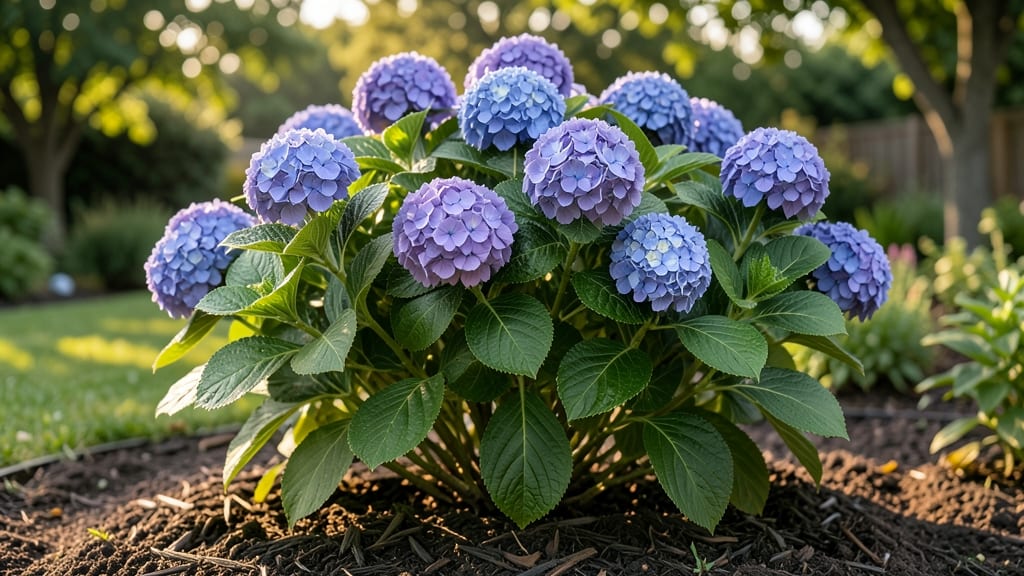
This historic estate blends art and nature into an unforgettable experience. 🌿 The gardens transform seasonally—spring bursts with tulips, summer showcases hydrangeas, and autumn offers vibrant foliage—while the mansion's interior reveals the Stan family's opulent 19th-century lifestyle.
What makes it unique is how Olmsted Jr.'s designs harmonize with Ohio's climate, creating hardy yet breathtaking plant displays year-round.
The estate's 28,000+ rare plants include prized collections like peonies, conifers, and Japanese-inspired gardens, offering inspiration for home gardeners. The woodland trails provide peaceful escapes, while the mansion's meticulously curated gardens demonstrate how landscape architecture can elevate any property.
Whether you're a plant enthusiast or history lover, Stan Hywet delivers a full sensory journey through its perfectly balanced natural and cultural treasures.
💡 In This Article
- The History and Design of Stan Hywet’s Iconic Gardens
- Top Plant Collections to Spot at Stan Hywet Gardens
The history and design of Stan Hywet’s iconic gardens
Stan Hywet’s gardens owe their legendary status to the Olmsted family legacy—specifically Frederick Law Olmsted Jr., whose vision transformed the estate into a masterpiece of landscape architecture. The original 1912 plans blended European formal gardens with American naturalistic designs, creating a harmonious balance that remains unmatched.
Olmsted Jr. drew inspiration from his father’s work on Central Park but adapted it for Ohio’s USDA Hardiness Zone 6a, where winters dip to -10°F and summers reach 90°F. This climate demanded careful plant selection, prioritizing species like Japanese maples and dwarf conifers that thrive in seasonal extremes.
The gardens’ seasonal transformations are a highlight—spring’s 20,000+ tulips (planted in 1920s patterns) create a sea of color, while summer’s rose gardens feature 300+ varieties, including heirloom climbers and modern hybrids.
Autumn delivers fiery foliage from sugar maples and smoke trees, and winter’s evergreen collections (like 100+ conifers) provide structure. The estate’s 1.5-mile woodland trail winds through these zones, offering a sensory journey where each season reveals new layers of design.
What sets Stan Hywet apart is its layered design approach: formal parterres frame the mansion, while naturalistic meadows and ponds create contrast. The Japanese-inspired garden, added in the 1930s, features a 1,200-gallon koi pond and stone lanterns—a rare example of East-meets-West landscaping in Ohio.
Olmsted Jr.’s use of perspective planting (e.g., aligning trees to frame views of the mansion) was revolutionary, ensuring every path feels intentional. This technique, now a staple in modern garden design, was groundbreaking in the early 1900s.
Climate plays a critical role in the gardens’ success. Ohio’s humid continental climate means plants must endure high humidity (70-80%) in summer and freezing winds in winter. The estate’s microclimates—created by the mansion’s south-facing walls and strategically placed evergreens—protect delicate species.
For example, the rose garden’s south exposure extends the blooming season by 3-4 weeks compared to northern plantings. This attention to detail ensures the gardens remain vibrant even in Ohio’s challenging weather.
Visitors often overlook the underground irrigation system installed in the 1920s, a cutting-edge feature for its time. Using clay pipes buried beneath the lawns, it delivers water directly to plant roots, reducing waste and ensuring consistent moisture.
This system, combined with compost-rich soil (amended annually with 10+ tons of organic matter), explains why Stan Hywet’s plants thrive despite Ohio’s heavy clay soil. The estate’s seasonal pruning schedule—like late-winter cuts for hydrangeas—further enhances blooms, proving how science and artistry merge in landscape design.
For home gardeners, Stan Hywet’s approach offers practical lessons: mix formal and natural styles, prioritize climate-adapted plants, and use structures (like trellises or walls) to create microclimates. The estate’s peony collection, for instance, thrives in its well-drained, sunny beds—a model for growing these $50-$100-per-plant perennials.
By studying Stan Hywet’s techniques, gardeners can replicate its grandeur on any scale.