
Fertilization
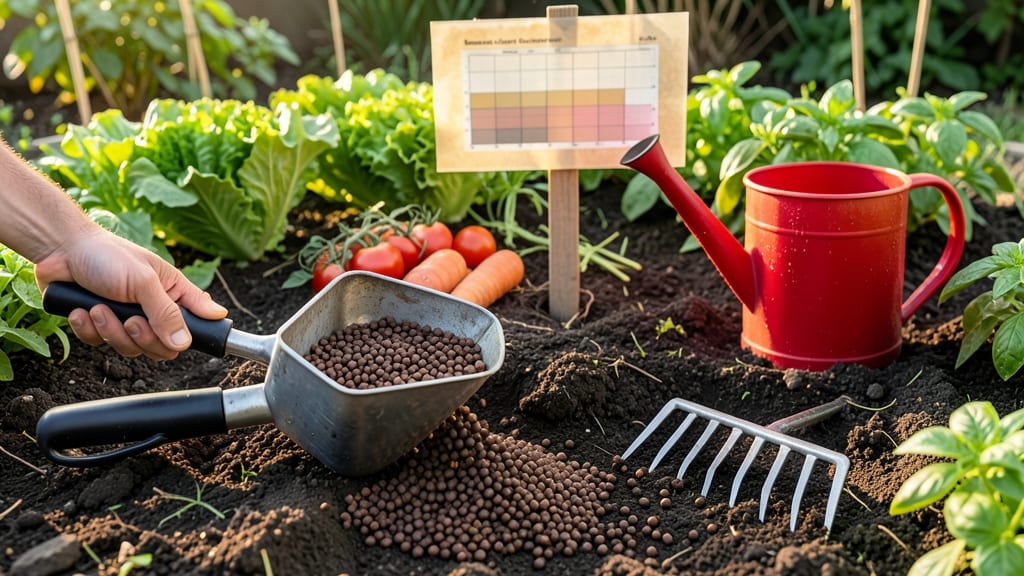
Should you fertilize your garden when the soil is still cold or when the first leaves appear? The answer depends on your plants, the season, and a little soil science you might not have considered.
Picture this: you’ve spent weeks preparing your garden beds, only to watch your seedlings stretch toward the light with weak stems and pale leaves. That’s a classic sign of nutrient starvation—but it’s also a sign you fertilized too early (or not at all).
Timing matters more than you think, and skipping the soil test before reaching for the fertilizer bag could mean wasted money and stunted growth.
Most gardeners fertilize in spring, but that’s only half the story. Vegetables like tomatoes and peppers need a boost when they flower, while lawns thrive with a different schedule. And if you’re using organic fertilizers, the timing shifts again because nutrients release at different rates.
Below, I’ll break down the exact moments to feed your garden—whether you’re growing veggies, flowers, or a lush lawn—so you can avoid common mistakes and keep your plants happy all season.
Ready to stop guessing? You’ll learn how to read your soil, adjust for climate, and choose the right fertilizer for each plant stage—no more wasted nutrients or burned roots. Let’s get started.
Soil-test-based fertilizing schedule for different plant types
Your soil test results are the roadmap to a thriving garden. They reveal NPK levels (nitrogen, phosphorus, potassium) and pH balance, which determine when and how to fertilize. For example, vegetables like tomatoes thrive with 6.0-7.0 pH and high nitrogen early, while azaleas need acidic soil (5.0-5.5).
Ignoring these details means wasting fertilizer—or worse, damaging your plants.
Seasonal timing matters just as much as soil data. In cool climates (USDA Zones 3-6), focus on spring and early fall feedings, while warm climates (Zones 7-10) benefit from year-round fertilization with lighter applications in winter.
For instance, lawns in Zone 7 need 4 feedings per year, but perennials like lavender only need one annual feeding in early spring.
| Plant Type | Best Fertilization Time | NPK Ratio | pH Range | Seasonal Notes |
|---|---|---|---|---|
| Vegetables (Tomatoes, Peppers) | Early spring + every 4-6 weeks | 10-10-10 or 5-10-10 | 6.0-7.0 | Avoid late summer feedings |
| Flowers (Roses, Petunias) | Spring + mid-summer | 5-10-5 or 7-7-7 | 6.0-7.0 (roses prefer 6.0-6.5) | Use slow-release for perennials |
| Lawns (Cool-Season Grasses) | Early spring + fall | 24-0-5 or 30-0-4 | 6.0-7.0 | Warm-season lawns fertilize in late spring/summer |
| Perennials (Lavender, Coneflowers) | Early spring only | 5-10-10 or 3-4-6 | 6.0-7.5 (lavender: 6.0-7.0) | Over-fertilizing reduces blooms |
| Fruit Trees (Apples, Cherries) | Late winter + early spring | 10-10-10 or 8-3-9 | 6.0-7.0 | Apply 100+ ft from trunk |
For vegetables, start fertilizing 2-3 weeks after transplanting when you see new growth. Use a balanced fertilizer (10-10-10) for leafy greens like spinach, but switch to a higher phosphorus (5-10-10) for fruiting plants like peppers.
My tomato plants always respond best to a side-dressing of compost mid-season—just scratch it into the soil around the base without touching the stem.
When it comes to flowers, timing is everything. Feed annuals like petunias every 3-4 weeks with a low-nitrogen fertilizer (5-10-5) to encourage blooms, not leaves. For perennials, a single early spring feeding with compost or slow-release granules is enough.
I once over-fertilized my daylilies, and they produced all leaves, no flowers—a lesson I won’t forget!
Lawns follow a two-season rule: spring for root growth and fall for winter hardiness. In cool climates, apply half the annual fertilizer in spring and the other half in early fall.
For warm-season grasses, like Bermuda, fertilize in late spring through summer with a high-nitrogen (24-0-5) blend. My Kentucky bluegrass lawn looks lushest when I avoid fertilizing in winter—it’s a dormancy period, not a growth spurt.
Perennials and shrubs are the low-maintenance stars of the garden
Critical mistakes that ruin fertilizer timing (and how to fix them)
Even the best fertilizer can backfire if you apply it at the wrong time. I’ve seen over-fertilized gardens where plants wilted from nutrient burn, or late-season feedings that kept vegetables from maturing properly. The key is understanding when your plants actually need fuel—not just when you think they do.
Most gardeners make three fatal timing mistakes: feeding too early, overdoing it during heatwaves, and ignoring plant stress signals like yellowing leaves or stunted growth. These errors don’t just waste fertilizer—they can kill your plants faster than a drought or pest infestation.
⚠️ Warning: The 3 Timing Dead Zones
Avoid these critical windows where fertilizer can harm more than help:
- Before last frost: Feeding cool-season crops too early wastes nutrients—wait until soil warms to 50°F+.
- During heatwaves: High temps cause nutrient burn—always water deeply before and after fertilizing.
- Late summer/fall: Stimulating new growth before first frost weakens winter hardiness.
Let’s start with the most common mistake: over-fertilizing new seedlings. Young plants have delicate roots that can’t handle concentrated nutrients. I once saw a batch of tomato seedlings collapse after their owner used a high-nitrogen starter fertilizer too heavily.
The fix? Use a balanced 5-5-5 formula at half strength for the first feeding, then gradually increase.
Another red flag is ignoring weather conditions. Rain washes away nutrients, so if a heavy downpour is forecast, skip fertilizing for 48 hours. I learned this the hard way with my pepper plants—they showed nutrient deficiency signs after a storm because the fertilizer simply rinsed away.
Always check the 7-day forecast before applying.
Don’t forget to watch for plant signals. Yellowing leaves between veins? That’s often a magnesium deficiency from over-fertilizing with nitrogen. Brown leaf tips? Too much salt from synthetic fertilizers. The solution? Flush the soil with water and switch to an organic option like compost tea for gentle nutrient recovery.
For established perennials, timing matters just as much. I fertilize my lavender bushes only in early spring (March) and mid-summer (July), never in fall. The rule of thumb: feed when you see new growth starting, not when the plant is already stressed.
And always mulch after fertilizing to lock in nutrients.
Pro tip: Keep a garden journal to track when you fertilize and how your plants respond. Note the plant type, fertilizer used, and any weather changes.
Over time, you’ll spot patterns—like my zucchini plants thriving with a light feeding every 3 weeks in USDA Zone 6a, but struggling when I deviated from that schedule.