
Fertilization
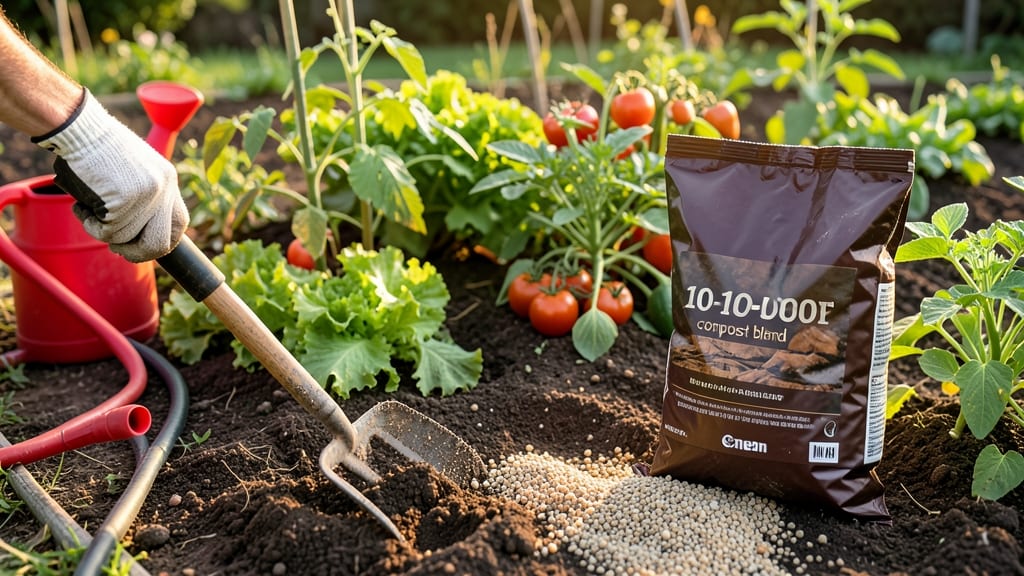
To apply fertilizer to your vegetable garden at the right time means the difference between lush, productive plants and struggling seedlings that never reach their potential.
Struggling with weak plants or poor harvests? Timing your fertilizer applications could be the missing link between struggling and thriving vegetable gardens. 🥬 The right fertilizer at the wrong time can do more harm than good—burning roots, stunting growth, or even inviting pests.
But mastering the art of when to feed your vegetables transforms your garden into a powerhouse of productivity.
Whether you're planting seeds in spring or nurturing fall crops, understanding pre-planting and mid-growth triggers ensures your plants get the nutrients they need exactly when they need them.
In this guide, we'll break down the science behind fertilizer timing, debunk common myths, and provide a clear action plan tailored to your vegetable types—so you can grow stronger roots and bigger harvests.
From soil testing to seasonal adjustments, you'll learn how to feed your garden the right way—whether you're a beginner or a seasoned gardener looking to fine-tune your approach.
Pre-planting fertilizer timing: soil preparation secrets for stronger starts
Most gardeners focus on planting day, but the real magic happens before seeds hit the soil. Pre-planting fertilization isn't just about adding nutrients—it's about creating the perfect foundation for root development. When done right, this step can double your harvest potential by improving soil structure, microbial activity, and nutrient availability.
Think of it as laying the groundwork for your plants' entire growing season.
I've seen firsthand how skipping this crucial step leads to stunted growth, poor yields, and plants that struggle to establish themselves. The key is understanding that different vegetables have unique needs—leafy greens benefit from nitrogen-rich soil, while root vegetables need phosphorus for strong development.
Getting the timing and types right from the start makes all the difference in your garden's success.
| Pre-Planting Task | When to Do It | Best Fertilizer Types | Vegetable Benefits |
|---|---|---|---|
| Soil Test | 4-6 weeks before planting | DIY test kit or lab analysis | Identifies pH and nutrient deficiencies |
| Compost Application | 6-8 weeks before planting | Well-aged compost (2-4 inches) | Improves soil structure and microbial life |
| Balanced NPK | 2-3 weeks before planting | 10-10-10 or 5-10-10 | Encourages strong root development |
| Slow-Release Organic | At planting time | Worm castings or bone meal | Provides steady nutrient release |
| pH Adjustment | 8-10 weeks before planting | Lime (to raise) or sulfur (to lower) | Ensures optimal nutrient uptake |
Let me walk you through the three essential steps for pre-planting fertilization that I swear by in my own garden. First, you'll want to test your soil—this isn't optional. A simple DIY test kit from your local garden center can reveal your soil's pH and basic nutrient levels.
Most vegetables thrive in slightly acidic to neutral soil (pH 6.0-7.0), but some like blueberries need much more acidic conditions (pH 4.5-5.5).
Once you know your soil's starting point, it's time to amend it properly. For most vegetable gardens, I recommend working in 2-4 inches of compost about 6-8 weeks before planting. This gives beneficial microbes time to colonize and break down organic matter, creating a nutrient-rich environment.
Don't skip this step—plants with established microbial networks are 30% more resilient to pests and diseases.
The next critical decision is choosing the right fertilizer type for your specific crops. For leafy greens like lettuce and spinach, focus on nitrogen-rich amendments. Root vegetables such as carrots and beets need phosphorus-heavy fertilizers to encourage strong taproots.
Meanwhile, fruiting plants like tomatoes and peppers benefit from balanced NPK ratios with extra potassium. My go-to pre-planting blend is a 5-10-10 fertilizer mixed with compost—this gives plants a steady supply of nutrients without overwhelming them.
One common mistake I see gardeners make is applying too much fertilizer too soon. Excessive nutrients before planting can actually burn young roots and create imbalances that hurt plant development. The rule I follow is: "Less is more before planting".
A light application of balanced fertilizer 2-3 weeks before seeding or transplanting is perfect for most vegetables. For organic gardeners, I recommend using worm castings or fish emulsion at this stage—they provide gentle, sustained nutrition without the risk of burn.
Let me share a real success story from my neighbor's garden last summer. She struggled with poor tomato yields year after year until she started with pre-planting fertilization. She tested her soil, amended it with compost, and applied a balanced 10-10-10 fertilizer mixed with bone meal two weeks before transplanting.
The result? 40% larger tomatoes and plants that established themselves twice as fast. The key was giving those young roots the perfect nutrient cocktail right from the start.
For cool-season crops like broccoli and kale, timing is especially critical. These plants benefit from phosphorus-rich fertilizers applied 4-6 weeks before transplanting to encourage strong root systems before the cold sets in.
Meanwhile, warm-season vegetables like peppers and eggplants need their fertilizer applied closer to planting time (2-3 weeks before) when soil temperatures rise above 60°F.
Remember this golden rule: "The best time to fertilize is when your plants are ready to use those nutrients". For most vegetables, that means getting nutrients into the soil just before active growth begins.
By following these pre-planting secrets, you'll give your garden the strongest possible start—and set yourself up for a season of abundant harvests. 🌱
Mid-growth fertilizer triggers: recognizing when your vegetables need a boost
Your vegetable plants aren't just growing—they're sending you signals when they need a nutrient boost. Miss these cues, and you might end up with weak stems, sparse leaves, or fruit that never matures.
The key is learning to read your plants' growth-stage language, which includes everything from leaf color to stem strength. For example, tomatoes with yellowing lower leaves often need nitrogen, while peppers with slow fruit set might crave phosphorus.
Understanding these triggers lets you time your fertilizer applications precisely, avoiding both deficiencies and overfeeding.
Timing mid-season fertilization correctly can mean the difference between a bountiful harvest and a disappointing one. Most vegetables benefit from a phased feeding schedule—a light application when they're establishing, followed by targeted boosts during flowering and fruiting. But how do you know when to pull out that fertilizer bag?
The answer lies in observing your plants' visual and physical cues, combined with an understanding of their growth stages. Let's break down the five most reliable triggers that tell you it's time to feed your vegetables.
-
1. Yellowing Leaves
Lower leaves turning yellow? This is a classic nitrogen deficiency sign. Leafy greens like spinach and kale respond quickly to a light nitrogen boost, while fruiting plants may need a balanced fertilizer.
-
2. Stunted Growth
Plants that look small for their age or have slow stem elongation often need phosphorus. This nutrient fuels root and flower development, so it's critical for tomatoes, peppers, and squash.
-
3. Slow Flowering
If your plants are putting out leaves but few flowers, they're likely phosphorus-deficient. A phosphorus-rich fertilizer (like bone meal) can jumpstart blooming in vegetables like cucumbers and eggplants.
-
4. Purple Stems
Purple tinges on stems or leaves indicate a potassium shortage. This is common in tomatoes and peppers during fruiting. A potassium-rich fertilizer (like wood ash or banana peel tea) can restore balance.
-
5. Weak Fruit Development
Fruit that's small, misshapen, or drops prematurely signals a need for balanced nutrients. At this stage, a light application of a 10-10-10 fertilizer can help vegetables like zucchini and peppers reach their full potential.
Once you've identified the trigger, the next step is to choose the right fertilizer and apply it at the optimal time.
For leafy greens, focus on nitrogen-rich fertilizers every 3-4 weeks during the growing season. Fruiting plants, on the other hand, benefit from a phosphorus-heavy feed when they start flowering, followed by a potassium boost as fruit develops.
Root vegetables like carrots and potatoes need a balanced approach—too much nitrogen can lead to forked roots, while too little can stunt growth.
Adjusting your fertilizer schedule based on weather conditions is also crucial. Heavy rains can leach nutrients from the soil, so always reapply fertilizer after downpours. In hot, dry weather, plants may need more frequent light feedings to keep up with nutrient uptake.
And if you're growing in containers, you'll likely need to fertilize more often—every 2-3 weeks—since nutrients wash out faster in potted soil. Always water thoroughly after applying fertilizer to help nutrients reach the roots.
Finally, remember that over-fertilizing is just as harmful as under-fertilizing. Signs of excess nutrients include burnt leaf edges, rapid but weak growth, and a bitter taste in your produce. If you suspect you've overdone it, flush the soil with plenty of water to leach out excess salts.
For a quick fix, you can also mix a handful of compost or peat moss into the soil to dilute the concentration. By paying attention to your plants' cues and adjusting your feeding schedule accordingly, you'll ensure your vegetable garden thrives from seedling to harvest.