
Picking
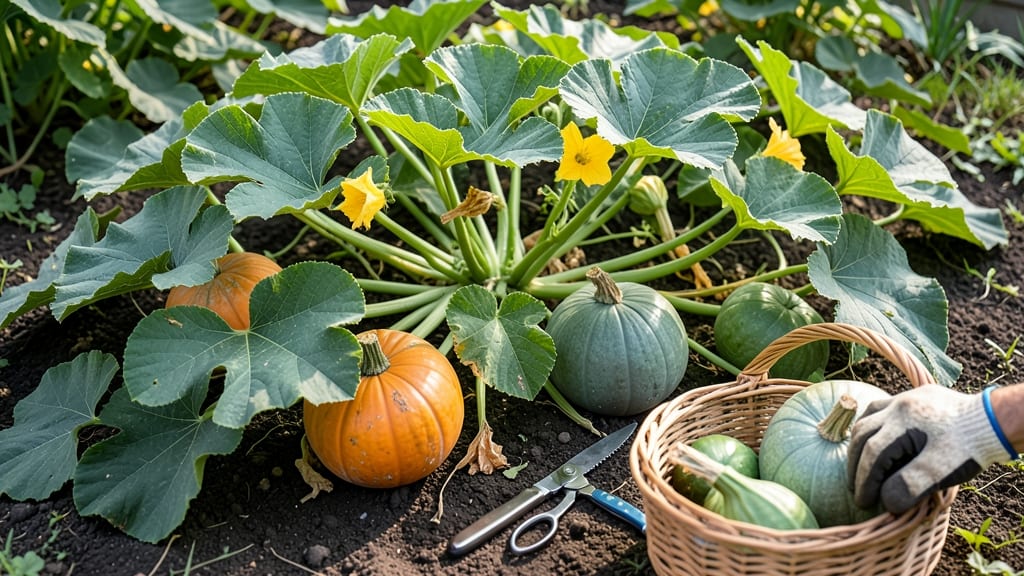
Harvesting butternut squash from the garden at the right time ensures the sweetest, firmest fruit 🎃 — and missing the window means tough, watery results.
Picture this: you’ve waited three months for your vines to produce those gorgeous tan gourds, only to cut one open and find it still mealy inside. That’s what happens when you harvest too early—or too late.
But here’s the good news: with just three simple signs, you’ll never second-guess the timing again.
First, the skin should turn from a shiny green to a dull, hard rind that resists your thumbnail. Next, the stem near the fruit will dry out and snap like a twig.
Finally, the fruit itself feels heavy for its size, a sure sign the sugars have fully developed. These cues matter because they’re your guarantee of peak flavor and storage life.
Below, I’ll walk you through exactly how to check these signs, plus the best time of day to harvest and what to do if frost sneaks up before you’re ready. No more guesswork—just perfect squash every season.
3 Visual signs your butternut squash is ready for harvest
Harvesting butternut squash at the perfect moment transforms your garden bounty into sweet, storable treasure. Butternut squash left too long on the vine loses flavor and becomes prone to rot, while harvesting too early means bland, watery flesh.
The key is spotting these three visual cues that signal peak ripeness. These signs don't just tell you when to pick—they also guarantee the best storage life and richest taste for your harvest.
I've learned from years of gardening that overlooking even one of these signs can mean the difference between a squash that lasts months in storage and one that spoils within weeks.
The skin color, stem condition, and vine health all work together to give you the green light to harvest. Let's break down exactly what to look for in each case, so you can confidently pick your butternut squash at its absolute best.
🎃 3 Visual Signs Your Butternut Squash Is Ready
-
1. Skin Color Changes
Look for a dull, tan or beige rind that has lost its shine. Press your thumbnail into the skin—if it doesn't leave a dent, it's ready! -
2. Stem Turns Brown & Woody
The stem near the squash should be dry, brown, and crisp—it should snap when bent, not bend like a green stem. -
3. Vine Health Declines
The vines and leaves should be yellowing and dying back naturally, signaling the plant is redirecting energy to the squash.
Why it matters: These signs indicate the squash has reached optimal sugar content and thickened cell walls, both critical for flavor and storage.
The skin color transformation is your first clue that butternut squash are nearing harvest. When they first appear, their skin has a smooth, waxy shine—almost like plastic. As they mature, this shine fades, and the skin takes on a matte, tan or beige appearance.
This color change happens because the squash's cellulose content increases, making the skin tougher and more resistant to punctures. I always test this by gently pressing my thumbnail into the skin; if it springs back without leaving a mark, the squash is still immature.
Pay close attention to the stem condition near where the squash attaches to the vine. When butternut squash are ready to harvest, this stem should be completely brown and woody. Unlike green stems, which bend easily, a ripe squash's stem will snap cleanly when you bend it.
This dryness indicates the plant has stopped sending nutrients to the squash, which is a clear signal that it's reached peak ripeness. I've found that ignoring this sign often leads to squash that spoils quickly after harvest.
Don't overlook the vine health as a final check before harvesting. Healthy butternut squash vines should show signs of natural decline as the season progresses. The leaves will yellow and crisp, and the vines may even start to die back.
This isn't a sign of disease—it's the plant's way of telling you it's focused all its energy on maturing the squash. If you see this combined with the other two signs, you can be confident your butternut squash is ready for harvest.
Understanding why these visual cues matter helps you appreciate their importance for both flavor development and storage potential. The skin's toughening and color change protect the squash from physical damage and pests, while the stem drying indicates the squash has reached its maximum sugar content.
This is when butternut squash develop their signature sweet, nutty flavor. Additionally, squash harvested at this stage store better because their thickened skins prevent moisture loss and rot.
One common mistake I see gardeners make is harvesting based solely on size. While butternut squash do grow larger as they mature, size alone isn't a reliable indicator of ripeness. I've pulled squash that looked perfectly sized but were still soft and watery inside because they weren't fully mature.
Always combine these three visual signs with a quick flesh firmness test (which we'll cover in the next section) to ensure you're harvesting at the absolute peak.
Regional climate plays a role in when these signs appear. In warmer climates, butternut squash may show these ripeness indicators earlier in the season, while in cooler regions, they might take longer to mature.
I've found that in Zone 6a, these signs typically appear between late September and early October, just before the first frost. Always be ready to harvest when you see all three signs, as waiting too long risks frost damage or pest infestation.
Pro tip: Mark your calendar when you plant your butternut squash seeds, as they typically take 85–100 days to mature. Combine this timeline with these visual cues for the most accurate harvest prediction.
I like to set reminders for when my squash should be nearing maturity, so I'm ready to check for these signs when the time comes. This proactive approach helps prevent missed harvest windows and ensures you don't end up with overripe squash.
Remember that butternut squash continue to ripen slightly after harvest, so don't worry if they're not perfect when you pick them. The key is to harvest when they show all three of these visual signs—this gives you the best balance of flavor, texture, and storage life.
With practice, you'll develop an eye for spotting these cues quickly, making your butternut squash harvesting process smoother and more successful each season.
How to test butternut squash ripeness (beyond just looking)
Butternut squash doesn't always announce its ripeness with obvious color changes like some fruits. To avoid harvesting too early or too late, you need hands-on tests that reveal the squash's true maturity.
The thump test, seed cavity check, and flesh firmness are my go-to methods for pinpointing the perfect harvest window. These techniques go beyond visual cues to ensure you get the sweetest, most storable squash possible.
Many gardeners make the mistake of relying solely on skin color or size, which can lead to premature harvesting (resulting in bland flavor) or overripe squash (that spoils quickly). The key is combining these tactile tests with your observations of the vine health and stem condition.
Let me walk you through each method so you can confidently determine when your butternut squash is ready to pick.
⚠️ Warning: Common Harvesting Mistakes
Harvesting too early because the squash "looks big enough" leads to watery flesh and poor storage life. Waiting too long after the vine dies back causes rot risk and tough seeds. The perfect window is when these three ripeness tests all pass simultaneously:
- Thump test: Hollow sound when tapped
- Seed check: Seeds fully formed (not soft)
- Flesh test: Firm but yields slightly to pressure
Pro Tip:
Harvest on a dry morning after dew has evaporated to prevent soil contamination and extend shelf life.
The thump test is my favorite because it's quick and reliable. Hold the squash firmly with one hand and give it a firm tap with your knuckles. A ripe butternut will sound hollow—like knocking on a wooden door—while an underripe one will thud like a soft ball.
This test works best when the squash is at least 8 inches long, as smaller specimens may not have fully developed their internal structure.
For the seed check, you'll need to gently cut into the blossom end (the smaller, pointed end) of the squash. Look for fully developed seeds that are hard and tan-colored. If the seeds are still soft, white, or underdeveloped, the squash needs more time on the vine.
This method also helps you avoid the bitter aftertaste that occurs when seeds mature too long and release bitter compounds into the flesh.
Testing flesh firmness requires pressing your thumbnail into the skin near the blossom end. The rind should resist slightly but give way just enough to leave a faint indentation. If it springs back completely, the squash isn't ready.
If it leaves a deep mark or the flesh feels mushy underneath, it's overripe. This test is particularly important for long-term storage, as properly mature squash will keep for months in cool, dry conditions.
One common mistake I see is harvesting when the vine yellows and dies back, assuming the squash is ready. While this is a good indicator, some varieties continue to ripen for 1-2 weeks after vine death.
Always combine vine condition with the thump and flesh tests for accuracy. For cold climates, harvest before the first frost—even if tests aren't perfect—since freezing temperatures will ruin the squash.
Remember that butternut squash flavor peaks when harvested at true maturity, not just when it's convenient. The extra 5 minutes spent testing with these methods will reward you with sweeter, more nutritious squash that stores beautifully through winter. Once you master these tests, you'll never second-guess harvest time again! 🎃