
Picking
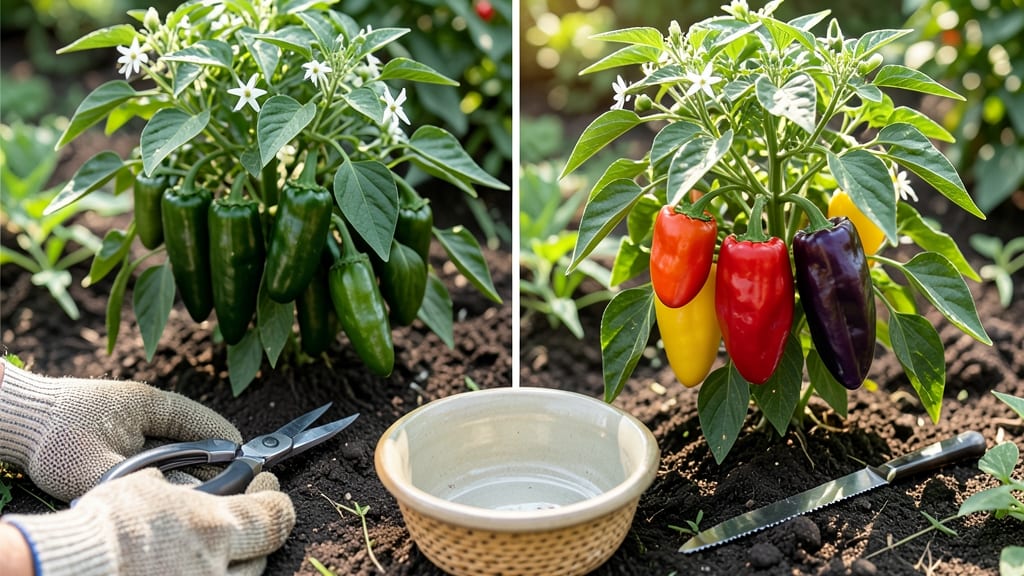
To pick garden salsa peppers at their peak heat and flavor, watch for deep color and firm skin—harvesting too early or too late can turn your fiery harvest into a bland disappointment.
Timing your salsa pepper harvest wrong can mean the difference between fiery, flavorful peppers and bland, overripe disappointments—here’s exactly when to pluck them for peak heat and taste.
Most varieties like jalapeños or serranos reach ideal ripeness in July to October, but color isn’t the only clue. A glossy skin and slight give when gently squeezed signal they’re ready to harvest.
Below, I’ll break down the ripening stages by color, how to test for heat level, and the common mistakes that ruin your harvest—so you can enjoy the best flavor all season long.


Salsa pepper ripening stages by color: when to harvest for maximum heat
Harvesting your salsa peppers at the right stage transforms your garden into a spice cabinet. The color of your peppers isn’t just about aesthetics—it directly impacts their heat level and flavor. Green peppers are milder, while red, orange, and yellow varieties often pack a fiery punch when fully ripe.
Understanding these ripening stages ensures you pick peppers at their peak for fresh salsas, drying, or pickling.
Most salsa pepper varieties like jalapeños and serranos start green but mature into vibrant reds, oranges, or yellows. The heat level typically increases as they ripen, but some varieties—like habaneros—blaze with heat even when green.
Knowing when to harvest each color stage helps you balance flavor and spice for your favorite dishes. Let’s break down the ideal harvest windows for each phase.
🌱 Key Insight: Harvesting green peppers is common for fresh use, but waiting for full color often means more heat and sweeter flavors. Always check for firmness and glossy skin—these are universal signs of readiness, regardless of color.
Green salsa peppers are the most versatile for fresh use—think crisp jalapeños in salsa verde or serranos in pico de gallo. They’re typically harvested when they reach 2-4 inches in length and have a smooth, glossy skin.
The heat level is mildest at this stage, making them ideal for gardeners who prefer a gentler kick. If you’re growing varieties like jalapeños or serranos, you can harvest green peppers continuously throughout the season.
As peppers transition to red, their sugar content increases, and so does their heat. Red jalapeños, for example, can deliver 2-5 times the heat of their green counterparts. This stage is perfect for drying or making hot sauces, as the flavors deepen and intensify.
Look for a deep, uniform red color and a slight softening at the stem—these are your cues to harvest.
Orange and yellow peppers often signal the hottest varieties, like habaneros or ghost peppers. These colors appear later in the season and pack a serious Scoville heat punch—often 10,000 SHU or higher.
If you’re growing these for spice blends or hot sauces, wait until the color is fully vibrant and the peppers feel slightly softer to the touch. Harvesting too early means missing out on that fiery flavor you crave.
Pro Tip: Always harvest salsa peppers in the morning when temperatures are cool. This preserves their freshness and heat levels longer. Use a sharp pair of pruning shears or your fingers to twist the pepper gently from the plant—avoid cutting the stem too close to the plant, as this can cause disease.
One common mistake is assuming all salsa peppers ripen the same way. For instance, jalapeños often turn red, but serranos might stay green or turn yellow. Always check your plant’s variety tags for specific ripening clues.
If you’re unsure, a simple touch test works: a ripe pepper should yield slightly to gentle pressure but still feel firm.
For maximum heat retention, store harvested peppers in a cool, dark place like a pantry. If you’re drying them, wait until they’re fully colored—this ensures the capsaicin
Heat level vs. ripeness: how to test pepper maturity before picking
Color isn’t the only way to judge when your garden salsa peppers are ready for harvest. The heat level and physical maturity often give better clues about peak flavor and spice intensity.
I’ve learned that touch tests, stem cues, and even the Scoville scale can reveal exactly when to pick for that perfect fiery kick.
For example, a jalapeño might look ripe when red, but if it’s still soft or the stem doesn’t snap cleanly, it’s not ready. Understanding these maturity signals ensures you harvest at the right moment—whether you’re aiming for mild green peppers or blazing red ones.
Let’s break down the best ways to test your peppers before picking.
Start by giving your peppers a gentle squeeze. A ripe salsa pepper should feel firm and slightly waxy, almost like a small apple. If it feels soft or mushy, it’s overripe and will lose its heat intensity quickly.
I’ve found that serrano peppers, for example, hit their spiciest when they’re still slightly firm but fully colored.
Next, check the stem attachment. Grab the pepper near the stem and twist gently—if it snaps cleanly without resistance, it’s ready to pick. If the stem pulls away slowly or leaves a small nub, wait another day or two.
This trick works especially well for habanero varieties, which can turn bitter if left too long on the plant.
Don’t overlook the Scoville scale as a guide. While you can’t measure heat at home, knowing general trends helps. For instance, green jalapeños (picked early) typically register around 1,000–5,000 SHU, while fully ripe red ones jump to 2,500–8,000 SHU.
If you’re growing serranos, aim for deep red or orange—their heat peaks at 10,000–23,000 SHU.
One pro tip I swear by: harvest in the morning after the dew has dried. Peppers are coolest then, making them firmer and easier to judge for ripeness. Plus, you’ll avoid the heat stress that can dull flavors if picked midday.
Store them in a cool, dark place (like a pantry) for up to a week to preserve their kick.