
Picking
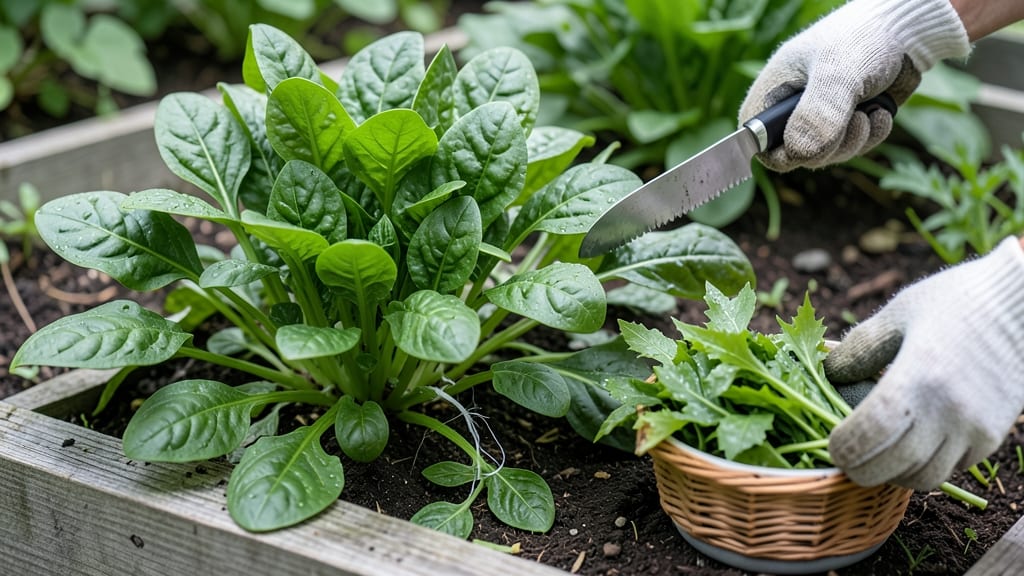
To pick spinach from your garden at the perfect moment means harvesting tender, flavorful leaves before they turn tough or bolt.
There’s nothing worse than biting into a leaf that’s gone from sweet to bitter overnight — or worse, watching your spinach bolt into flowers and ruin the harvest. Timing is everything, especially when you’ve waited 45 days for those first big leaves to form.
Spinach 🍃 thrives in cool weather, so the best time to harvest is in the spring or fall, when temperatures stay mild. Aim for leaves that are 4-6 inches long but still tender, cutting the outer ones first to encourage regrowth.
In this guide, you’ll learn how to spot the ideal harvest window, avoid common mistakes, and keep your spinach producing for weeks. Let’s get those leaves at their peak!


How to identify the perfect spinach harvest time before bolting
Timing your spinach harvest correctly transforms your garden into a treasure trove of tender, flavorful greens. The key is knowing when leaves reach their peak tenderness—before they bolt (flower) and turn bitter.
I’ve learned that leaf size, texture, and color are your best indicators, and I’ll share exactly what to watch for in your garden.
Spinach typically reaches harvestable size 45-60 days after planting, but don’t rely solely on days. Instead, focus on visual cues like leaf length and color.
For example, 4-6 inch leaves with vibrant green hues are prime for picking. Ignoring these signs often leads to overmature leaves that become tough and stringy.
Here’s the critical part: harvest outer leaves first to encourage regrowth. This method preserves the plant’s ability to produce more tender leaves, extending your harvest season. I’ve found that cutting leaves 1-2 inches above the base prevents damage to the crown while promoting new growth.
Bolting is your biggest enemy—once spinach flowers, the leaves become bitter and fibrous. Watch for tall stems and yellow flowers as warning signs. In my experience, consistent moisture and partial shade delay bolting, giving you more time to enjoy fresh harvests.
| Harvest Indicator | Details | Action |
|---|---|---|
| Leaf Size | 4-6 inches long | Harvest outer leaves first |
| Leaf Texture | Tender, not fibrous | Pick when crisp but not tough |
| Leaf Color | Bright green, no yellowing | Avoid leaves with dull hues |
| Plant Age | 4-6 weeks old | Harvest before bolting begins |
| Bolting Signs | Tall stems, yellow flowers | Remove bolting plants immediately |
For baby spinach, you can start harvesting as early as 30 days after planting when leaves are just 2-3 inches long. This method produces delicate, sweet-tasting leaves perfect for salads. I’ve used this approach in my garden to get multiple harvests over several weeks.
Temperature plays a crucial role in harvest timing. Spinach thrives in cool weather (50-75°F). If your region experiences hot summers, plant spinach in early spring or fall to avoid bolting. I’ve successfully grown spinach in late summer by providing afternoon shade with a lightweight row cover.
One mistake I’ve seen gardeners make is waiting too long to harvest. Overmature leaves develop a gritty texture and strong flavor, making them less enjoyable. To prevent this, I set a reminder to check my plants weekly during the growing season for readiness.
If you’re growing spinach in containers, harvest even more frequently since space is limited. Container-grown spinach often bolts faster due to limited root space. To extend the harvest, I’ve found that thinning seedlings early gives remaining plants more room to grow without competing for nutrients.
Finally, never harvest spinach after a hard frost—the leaves will turn mushy and inedible. Always pick on dry mornings to ensure clean, fresh greens. With these tips, you’ll enjoy crisp, flavorful spinach straight from your garden for weeks.
Step-by-step guide: how to harvest spinach without damaging the plant
Harvesting your spinach correctly ensures a steady supply of tender, flavorful leaves while keeping your plants healthy. The key is to use the right cutting techniques and harvest at the optimal leaf maturity.
Whether you're growing baby spinach or full-sized leaves, timing and method matter to avoid stressing your plants.
I’ve found that harvesting outer leaves first encourages regrowth, allowing you to enjoy multiple harvests from a single plant. This method also prevents the plant from bolting too soon, which happens when spinach senses it’s time to flower.
Let’s break down the exact steps to harvest spinach without harming your plants.
Step-by-Step Spinach Harvesting Guide
- Step 1: Wait until leaves reach 4-6 inches in length. Outer leaves should be large enough to eat, while inner leaves remain small and tender.
- Step 2: Use clean, sharp scissors or pruning shears to cut leaves 1 inch above the base. Avoid tearing leaves to prevent damage.
- Step 3: Harvest outer leaves first, leaving the inner rosette intact. This encourages regrowth and extends your harvest season.
- Step 4: For baby spinach, harvest entire plants when they’re 3-4 weeks old and leaves are 2-3 inches long.
- Step 5: Harvest in the morning after dew has dried. This ensures leaves are crisp and free of moisture, reducing the risk of disease.
- Step 6: After harvesting, water the plant deeply to support regrowth. Keep soil consistently moist but not waterlogged.
- Step 7: Stop harvesting 2-3 weeks before frost to allow plants to store energy for next season’s growth.
🌱 Pro Tip: Harvest every 2-3 weeks for continuous production.
When harvesting full-grown spinach, focus on the larger outer leaves while preserving the younger inner leaves. This method mimics natural pruning and keeps your plants productive.
If you’re growing baby spinach, you can harvest the entire plant at once, but leave a few leaves behind to encourage regrowth.
One of my biggest mistakes early on was harvesting too many leaves at once, which stressed the plant and slowed down regrowth. Now, I follow the one-third rule: never remove more than one-third of the plant’s leaves in a single harvest.
This keeps the plant healthy and ensures a steady supply of fresh greens.
After harvesting, rinse your spinach gently under cool water to remove dirt and debris. Pat dry with a clean towel or salad spinner to prevent wilting. Store harvested leaves in a plastic bag in the fridge, where they’ll stay fresh for up to 5-7 days.
For longer storage, consider freezing or blanching.
With these techniques, you’ll enjoy a continuous harvest of tender spinach throughout the growing season. The key is consistency—harvest regularly, keep the soil moist, and avoid overcrowding. Your plants will reward you with vibrant, flavorful leaves all season long! ✂️