
Planting
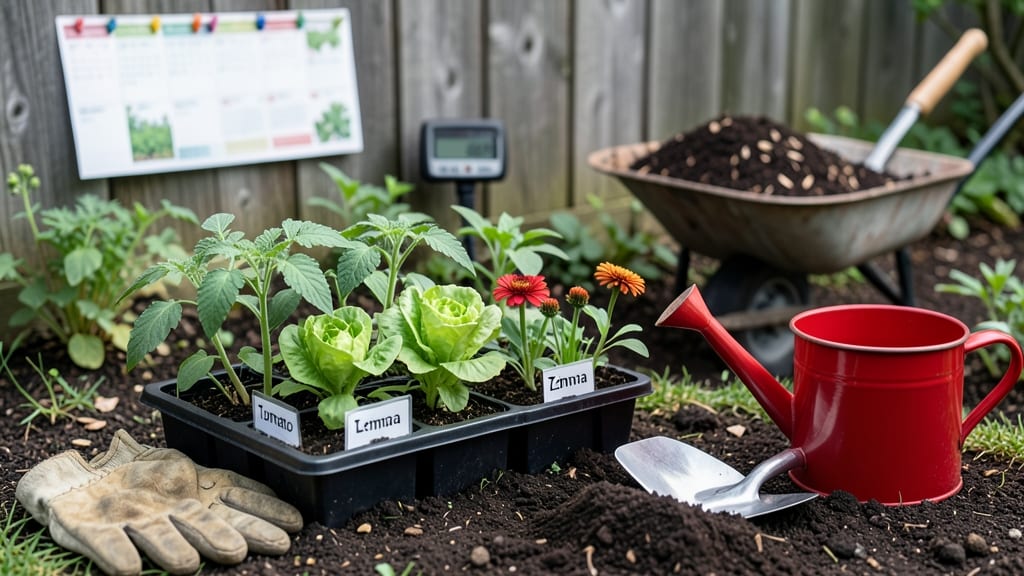
To plant a garden in Kentucky, start cool-season crops like peas and lettuce as soon as the soil is workable in early March—but wait until mid-April for warm-season plants like tomatoes, when the danger of frost has passed.
Kentucky’s diverse climate—from the Bluegrass Region’s rolling hills to the cooler Appalachian valleys—means timing is everything. Plant too early, and a late frost could ruin your hard work; too late, and you’ll miss peak harvests. The key is knowing your USDA zone and local frost dates.
This guide breaks down the best planting windows by crop type, whether you’re growing heat-loving tomatoes or frost-tolerant spinach. I’ll also share how to extend your season with row covers and when to start seeds indoors for a head start.
By the end, you’ll know exactly when to plant every crop in your Kentucky garden, from early spring greens to fall garlic, so you can enjoy a bountiful harvest all season long.
Kentucky’s frost-free dates by region: when to start planting
Kentucky’s USDA hardiness zones range from 5b in the Appalachians to 7a in the Bluegrass Region, creating dramatic differences in frost-free dates. These variations mean your Eastern Kentucky garden might have 2 weeks earlier last frosts than Western Kentucky.
Understanding your specific microclimate is key to avoiding frost damage while maximizing your growing season.
Most gardeners use the 10-day rule for safe planting: wait 10 days after your average last frost date to plant warm-season crops like tomatoes and peppers. This buffer accounts for unpredictable late frosts.
For cool-season crops like lettuce and peas, you can plant 4-6 weeks before your last frost date, as they tolerate light frosts.
Here’s how Kentucky’s regions compare, with last frost dates and first frost dates to guide your planting schedule:
| Region | USDA Zone | Avg. Last Frost | Avg. First Frost | Frost-Free Days | Planting Window |
|---|---|---|---|---|---|
| Eastern KY (Appalachians) | 5b-6a | April 15–May 1 | October 15–20 | 170–190 days | Start warm crops May 10–15 |
| Central KY (Bluegrass) | 6a-6b | April 1–April 15 | October 20–25 | 180–200 days | Start warm crops April 20–May 1 |
| Western KY (Jackson Purchase) | 7a | March 20–April 1 | October 25–November 1 | 210–220 days | Start warm crops April 10–15 |
| Northern KY (Cincinnati) | 6b-7a | April 1–April 10 | October 20–25 | 190–200 days | Start warm crops April 15–20 |
If you’re in Eastern Kentucky’s higher elevations, like Letcher County, your last frost can arrive 2 weeks later than Louisville. Use local weather stations or Almanac frost charts to fine-tune your dates.
For example, Lexington’s USDA Zone 6b typically sees its last frost around April 10, while Paducah’s Zone 7a averages March 25.
For warm-season crops, like tomatoes and peppers, wait until soil temperatures reach 60°F. Use a soil thermometer to confirm—cool soil can stunt growth. Cool-season crops, such as kale and carrots, can handle light frosts and can be planted 4-6 weeks before your last frost date.
Pro tip: Succession planting works well in Kentucky. After harvesting early radishes or lettuce, replant with bush beans or cucumbers to extend your harvest. This strategy maximizes your short growing season, especially in Zone 5b areas where summers are brief.
Don’t forget to monitor microclimates in your yard. South-facing slopes warm up faster and may be 1-2 weeks ahead of frost dates, while low-lying areas can hold frost longer. Use row covers or cold frames to protect early plantings if your region has unpredictable late frosts.
For fall planting, aim to sow cool-season crops like spinach and garlic 60-90 days before your first frost. In Western Kentucky’s Zone 7a, this means planting by August 15, while Eastern Kentucky’s Zone 5b allows until September 1.
Start your garden prep now by testing your soil pH and adding compost. Kentucky’s clay-heavy soils benefit from organic matter to improve drainage. Once you’ve nailed your frost-free dates, you’ll be ready to plant with confidence and enjoy a bountiful harvest!
Best planting schedule for Kentucky crops: cool-season vs. warm-season vegetables
Kentucky gardeners know timing is everything—especially when balancing cool-season crops like spinach and warm-season favorites like tomatoes. The key is aligning your planting with soil temperatures and frost dates, which vary by region.
For most of Kentucky, last frost dates range from mid-April (Western KY) to late May (Appalachian areas), while first frosts arrive between mid-October and early November.
Cool-season vegetables thrive in 50-70°F soil and can handle light frosts, while warm-season crops need 60°F+ soil and won’t tolerate chilly nights. Here’s your month-by-month breakdown to maximize harvests:
For cool-season crops, focus on early spring (March-April) and fall (August-September) plantings. My favorite spinach varieties like 'Bloomsdale Long Standing' thrive when sown 4-6 weeks before last frost, while broccoli benefits from a late summer transplant for fall harvests. Always use row covers if nighttime temps dip below 40°F.
Warm-season crops demand patience—never rush planting tomatoes or peppers before soil reaches 60°F. I’ve learned the hard way that cool soil stunts growth, leading to blight-prone plants. Test soil with a thermometer or wait until May 15 in most regions.
For corn, plant in blocks (not rows) to ensure pollination, with seeds 1-1.5" deep.
Fall planting is your second chance for cool-season crops! Start garlic in October for next year’s harvest, and sow radishes or turnips in September for quick fall/winter yields. Just remember: Kentucky’s first frost typically arrives in mid-October, so time your last plantings accordingly.
Pro tip: Use succession planting for warm-season crops like beans and lettuce. By staggering plantings every 2 weeks, you’ll enjoy continuous harvests instead of one big bounty. And always keep a planting journal to track what thrives (or flops) in your microclimate!